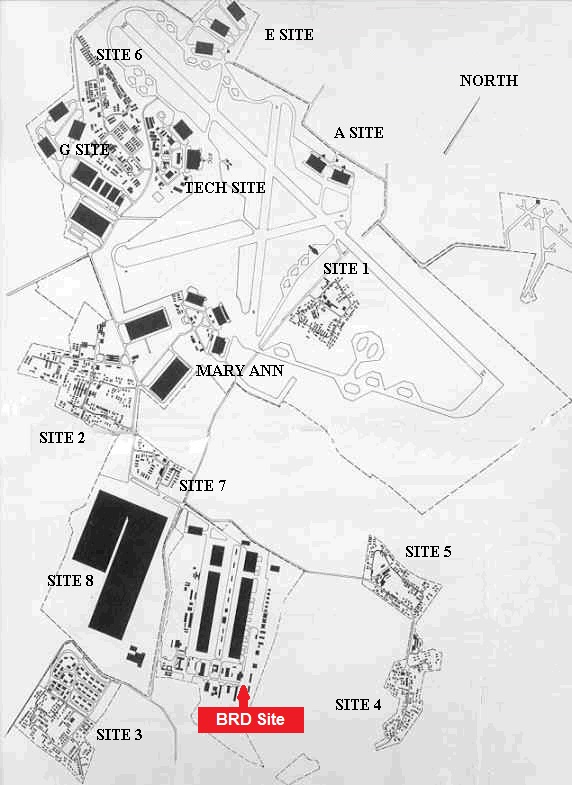
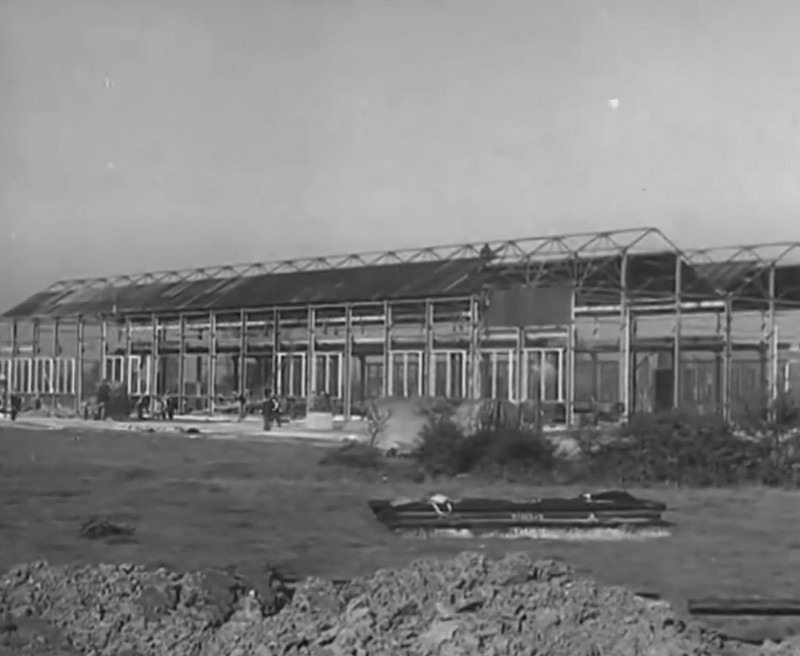
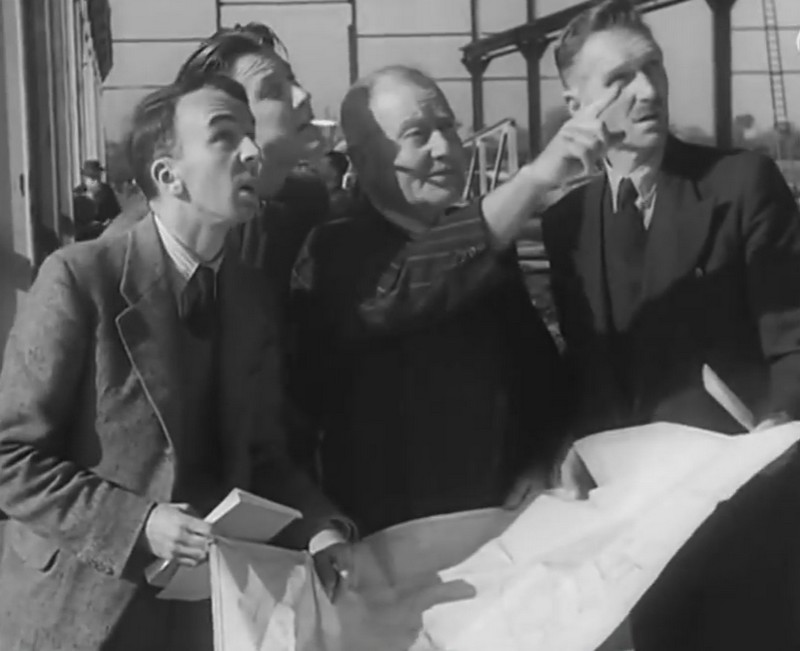
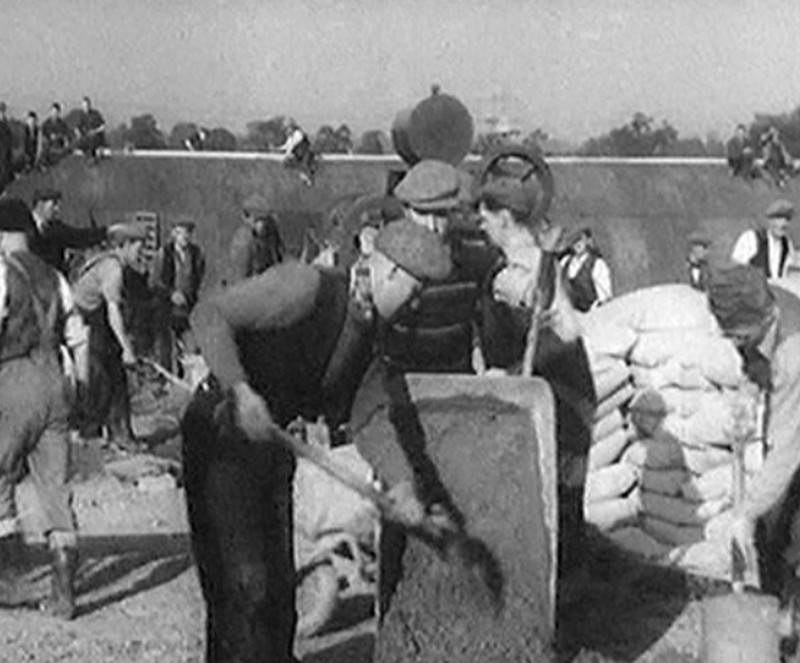
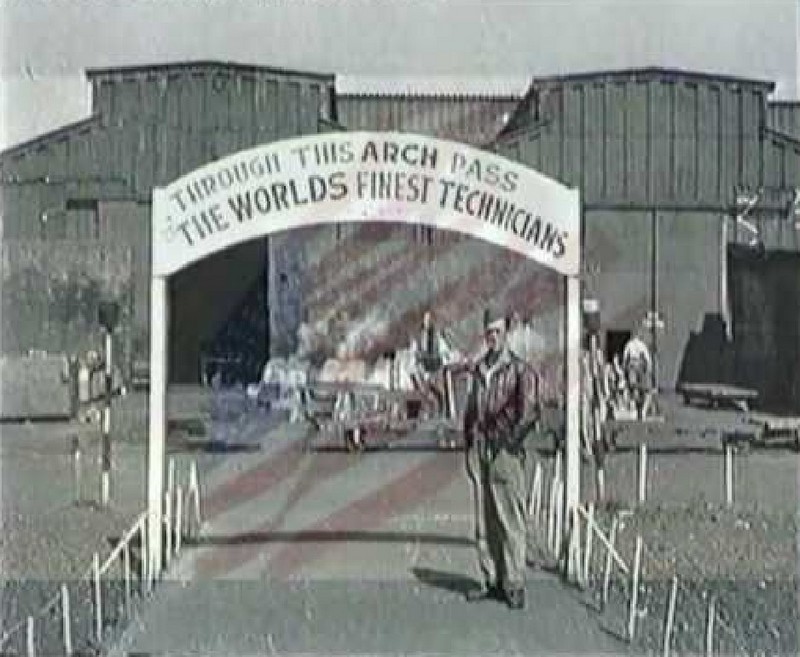
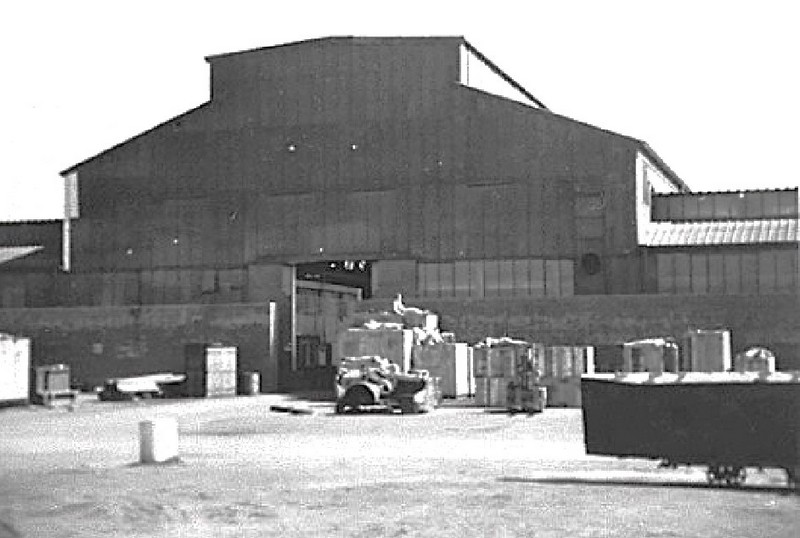
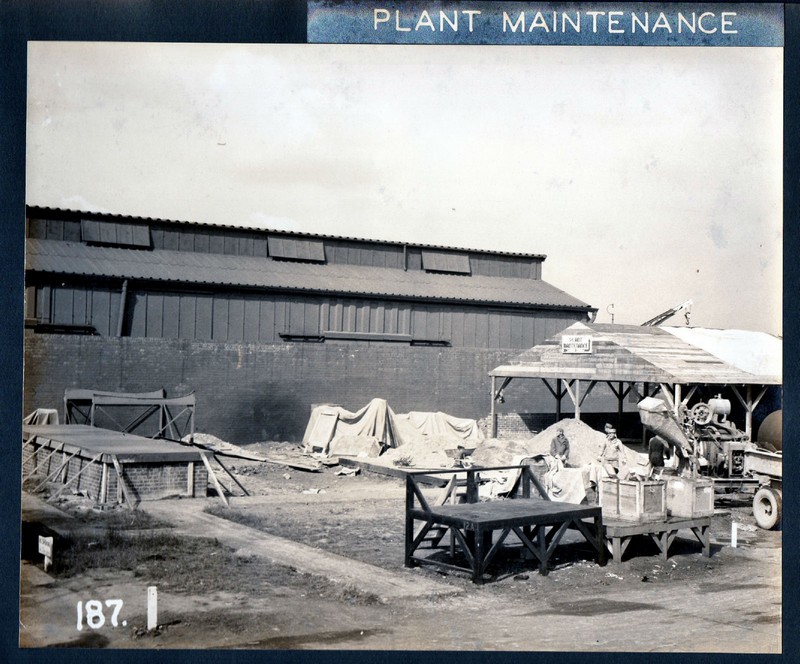
Construction Work of the Air Ministry Depot Type Storage and Maintenance Engineering Buildings at Burtonwood Repair Depot Site Burtonwood (Known as BRD Site)Photos Credit to British Pathe
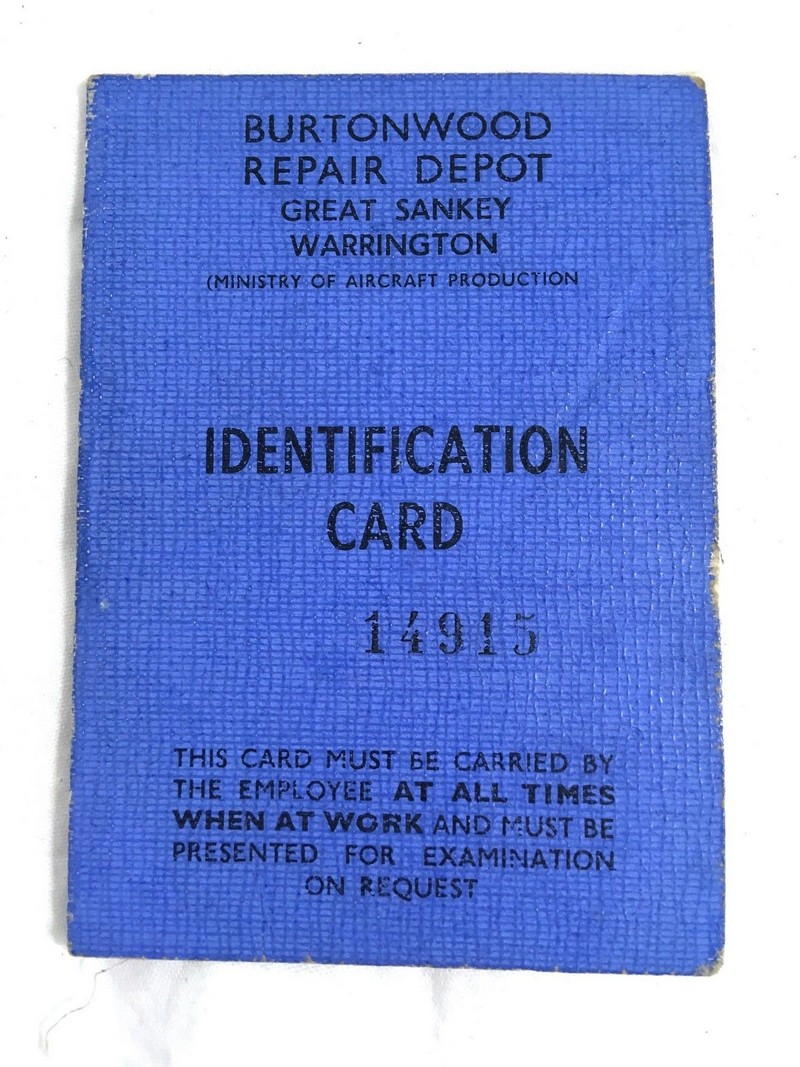
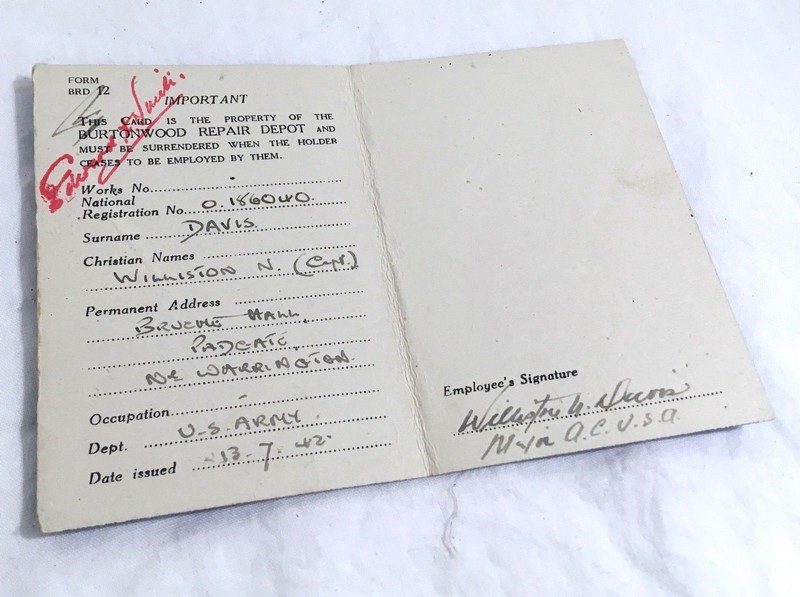
BRD Civilians Pass Book There was a large number of civilian personnel during WW2 and each had to have their own BRD passbook. Below is a genuine example of one.
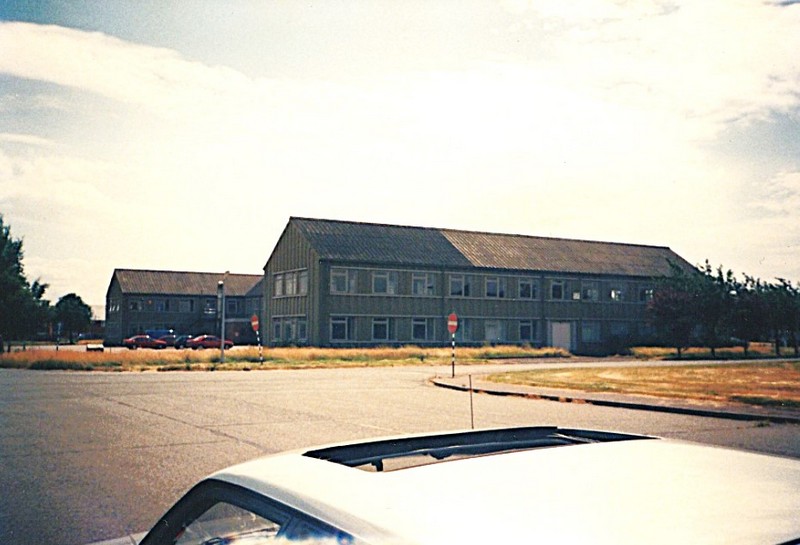
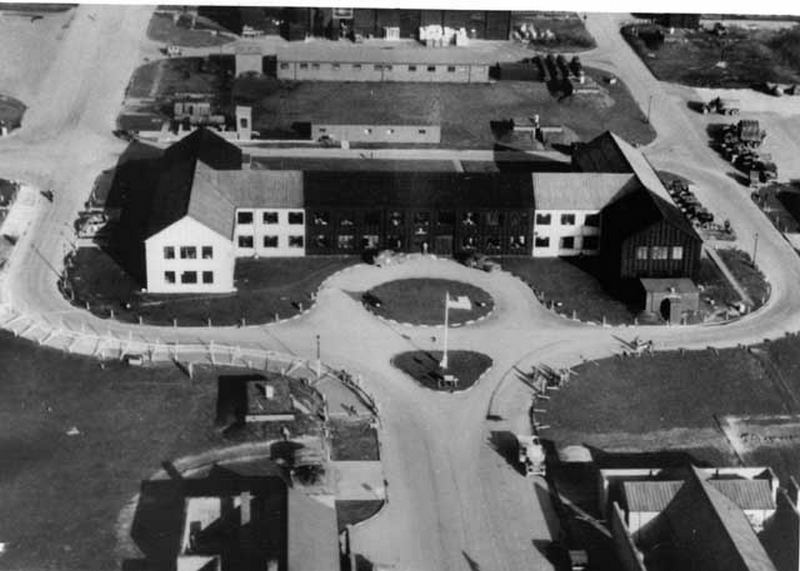
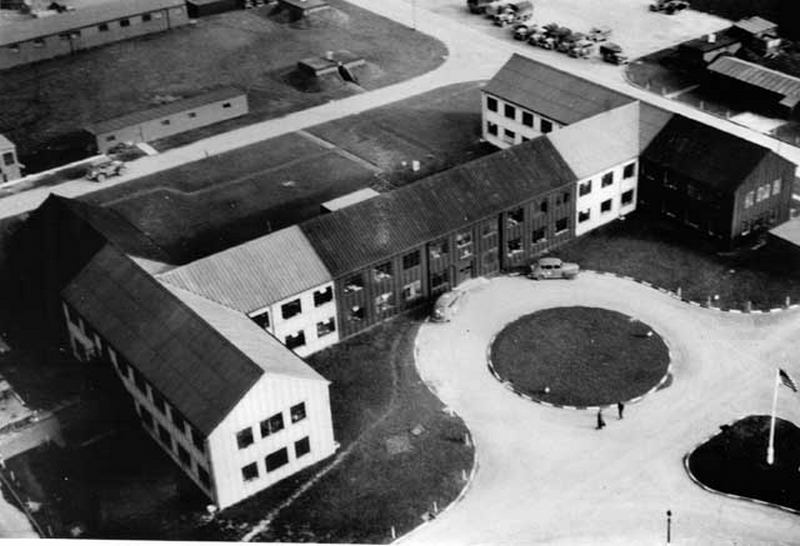
Building 8 is the headquarters and Office Block for [BRD] Burtonwood Repair Depot During the late 1950s, this building was used as the USAF Dependents School, after moving from Site 1
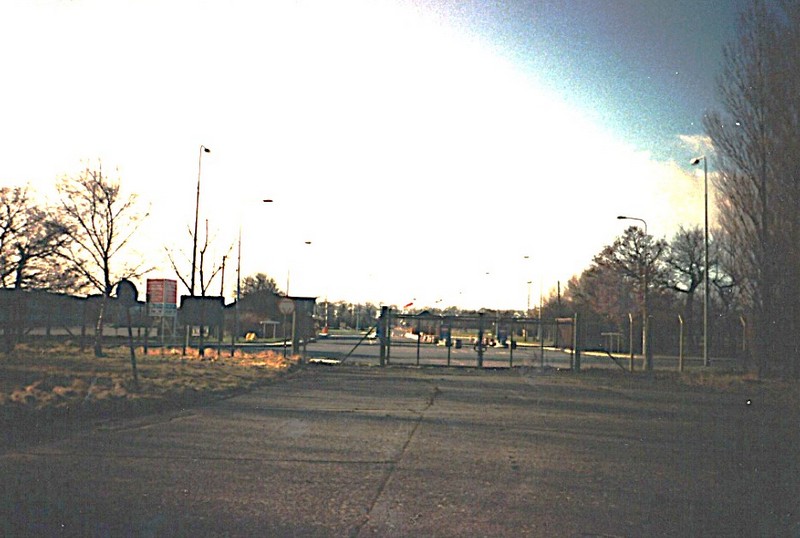
In the foreground is gate 11 which is the north entrance into the BRD siteBehind the gate is Burtonwood RoadIn the far background is gate 12 leading to the Airfield and site 8
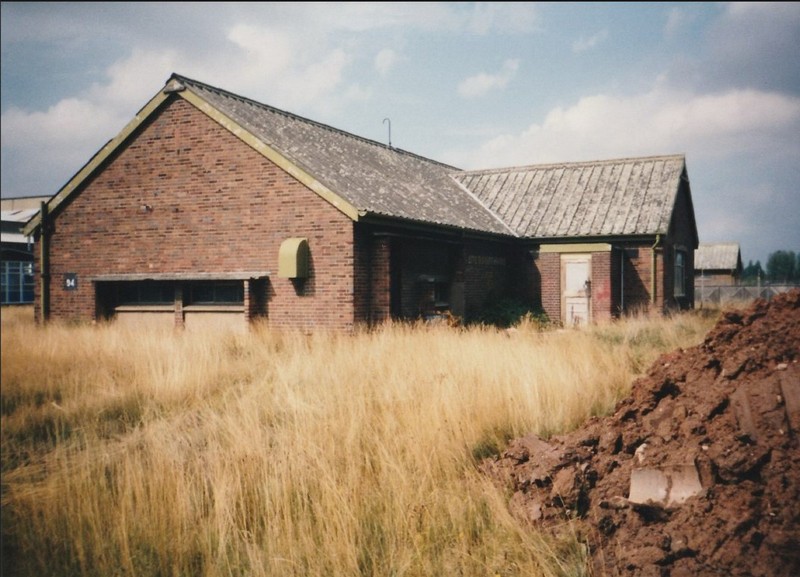
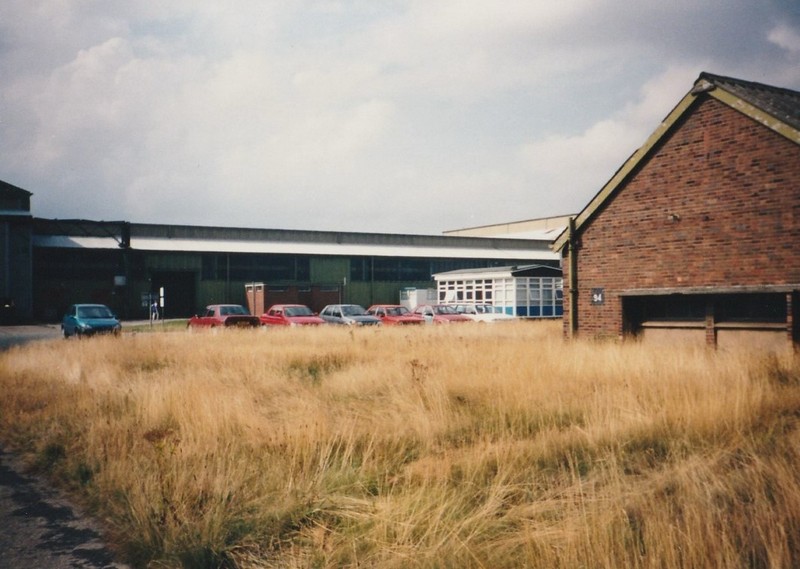
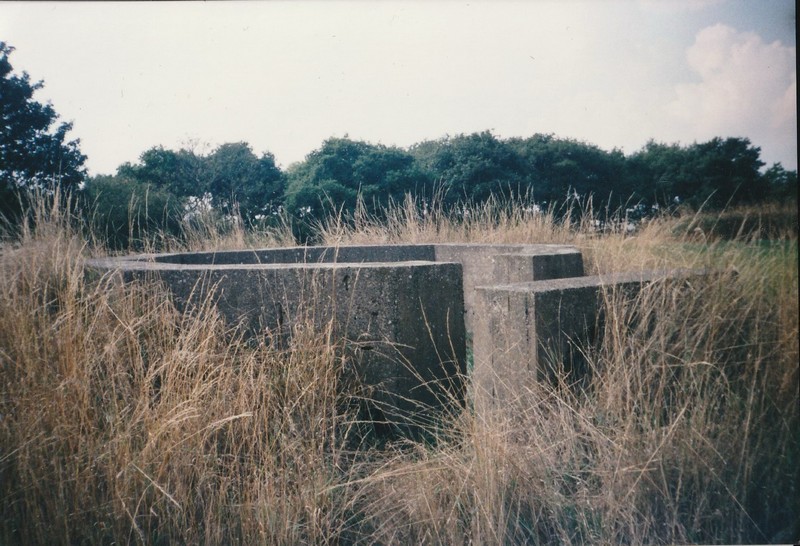
Building 94 is the Gas Decontamination centerThe Square Opening is for the Contaminated Clothing Shoots with the vent to the right
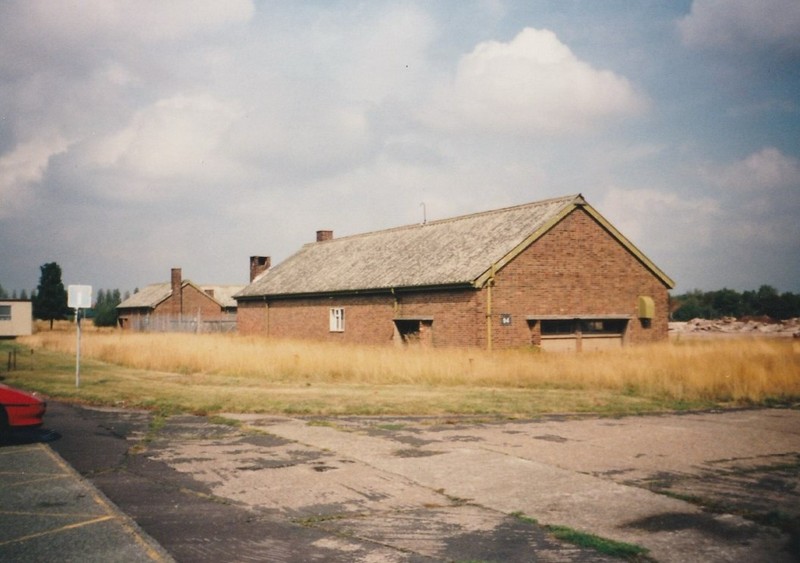
The side elevation of the Gas Decontamination Center and Clothing Shoots The Gas Decontamination Centers were also known as Gas Cleansing Stations
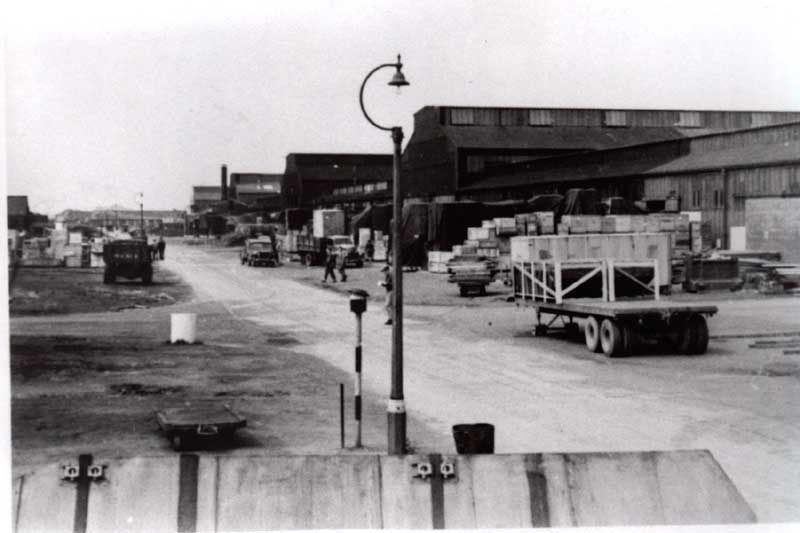
In the right foreground is the Gas Decontamination center, and in the background are the warehouse workshops
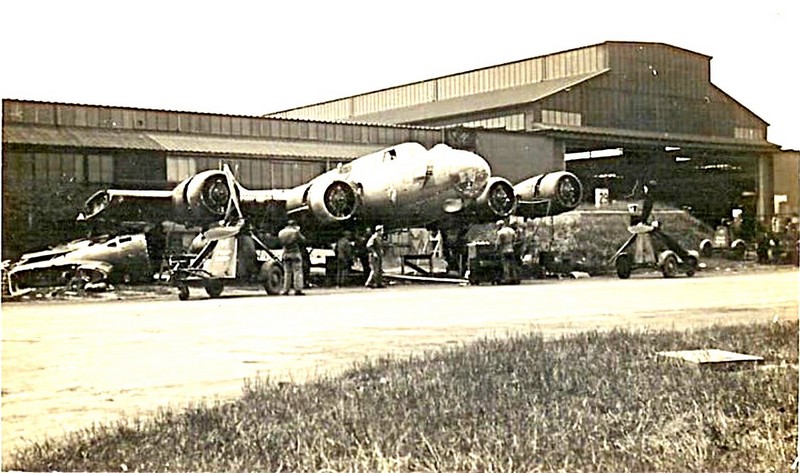
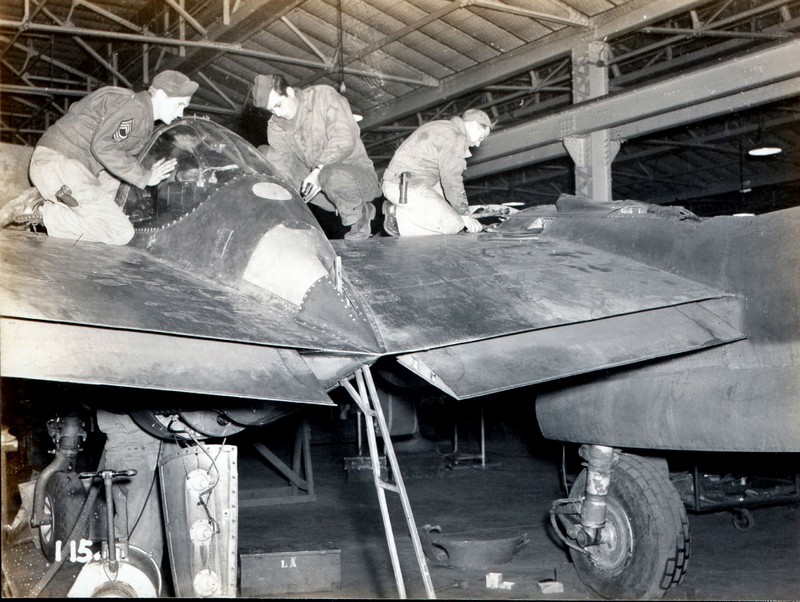
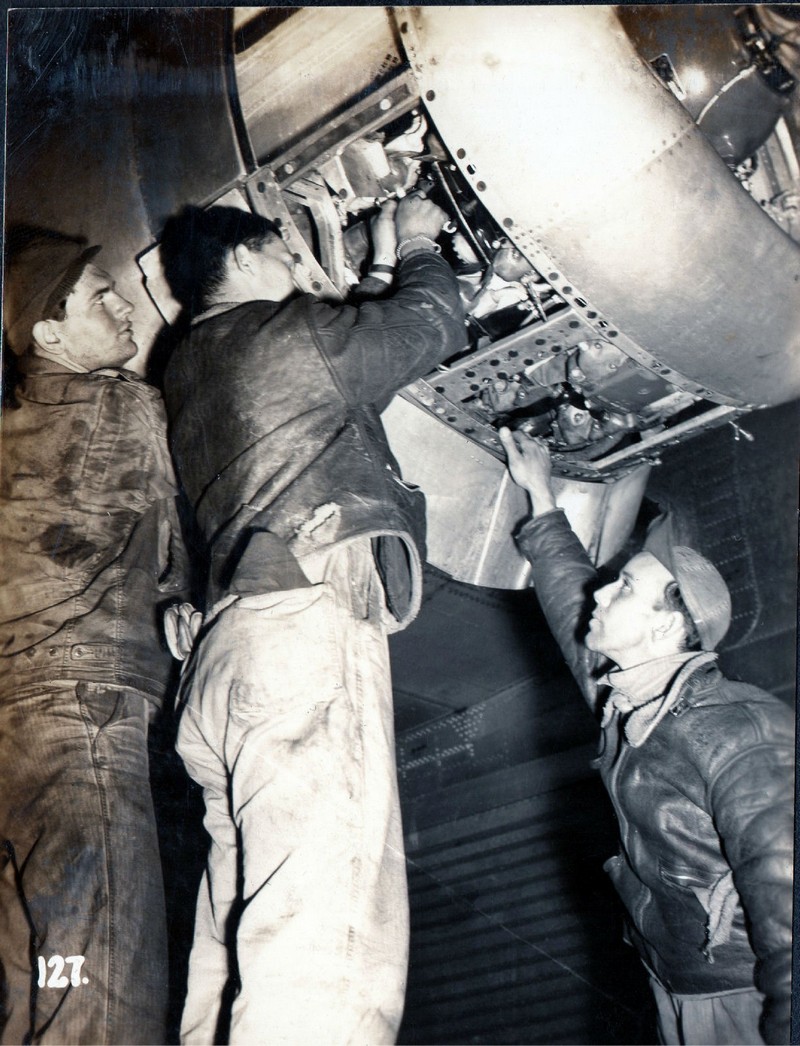
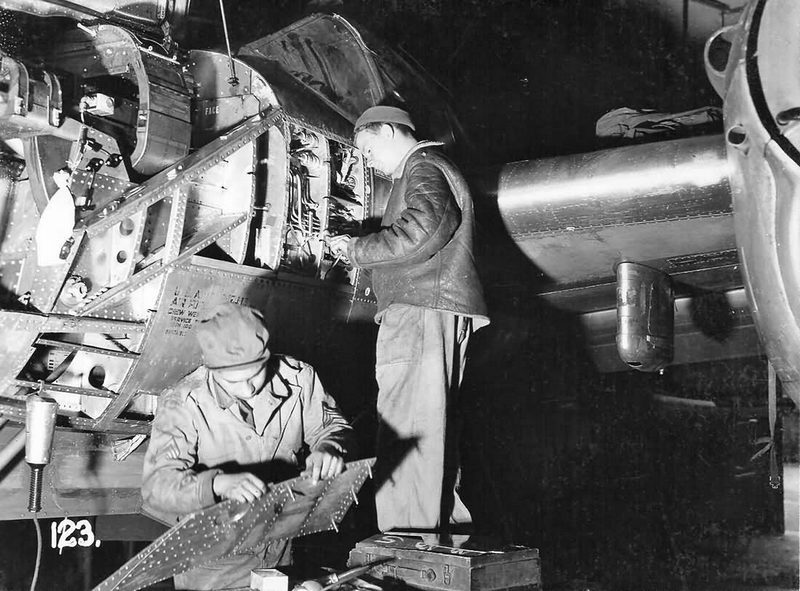
B-17 in the Process of Scraping in Front of One of the Engineering Workshops at Burtonwood Repair Depot [BRD] in WW2
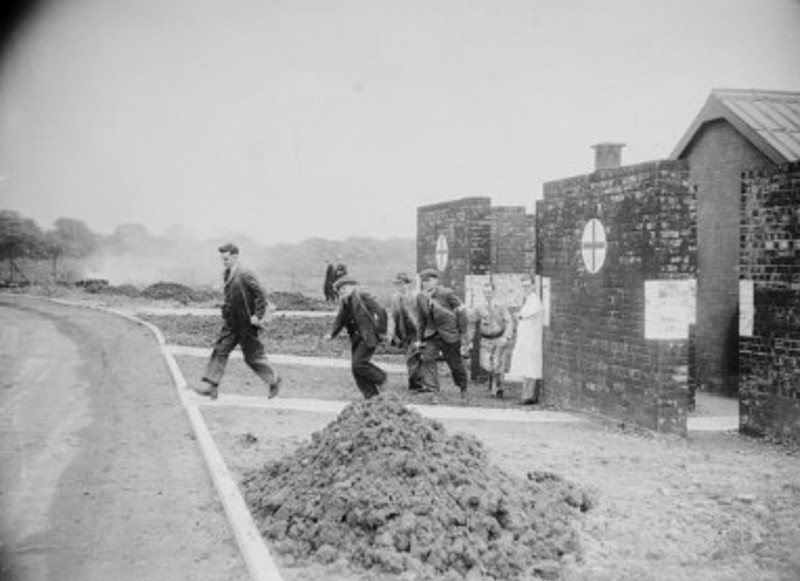
The photo shows a first aid squad, laden with first aid packs, water bottles, and a stretcher, leaving the first aid post at the double to attend an incident at the Burtonwood Repair Depot on 2 June 1942
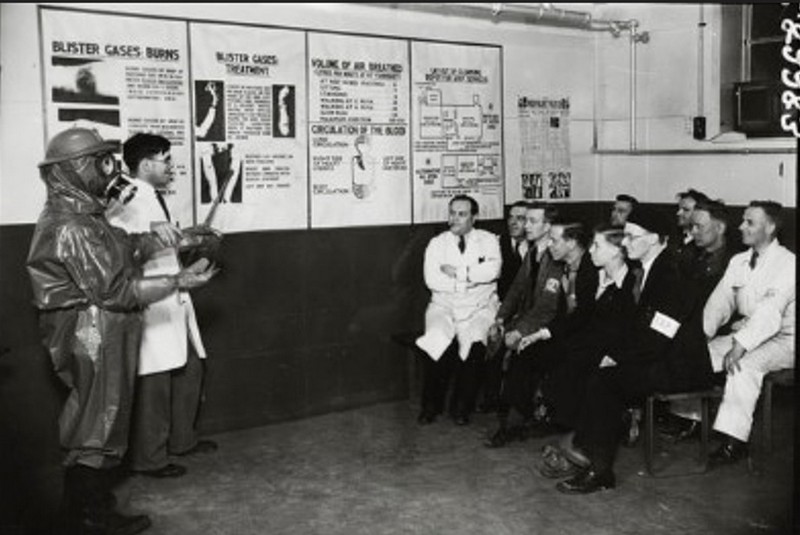
The caption on the reverse of the photograph reads:“The male nurse in industry. Pix shows Mr. C.A. Kissack (Chief Warden, A.R.P.) lecturing defense workers on gas decontamination at the BRD Site on 2 June 1942″
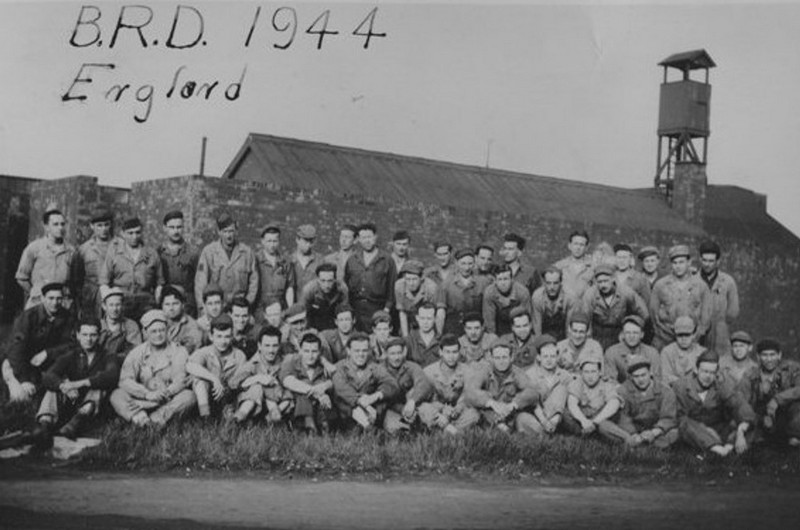
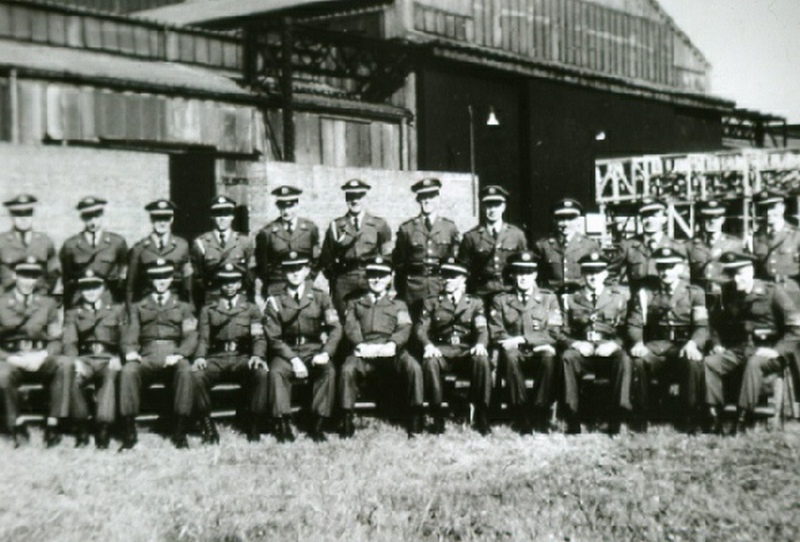
A group photo of Stanley L Kaminski and work friends of Number 1 Maintenance Division Section 16 at the BRD sitePhoto credit to Stanley L Kaminski of the 8th USAAF
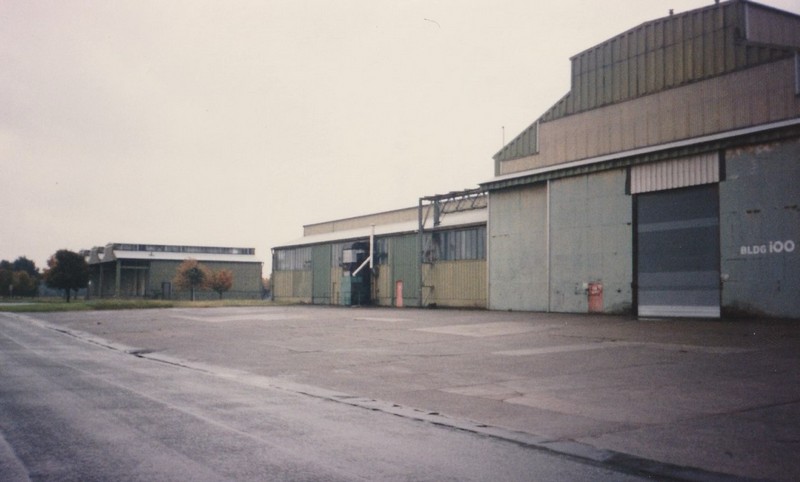
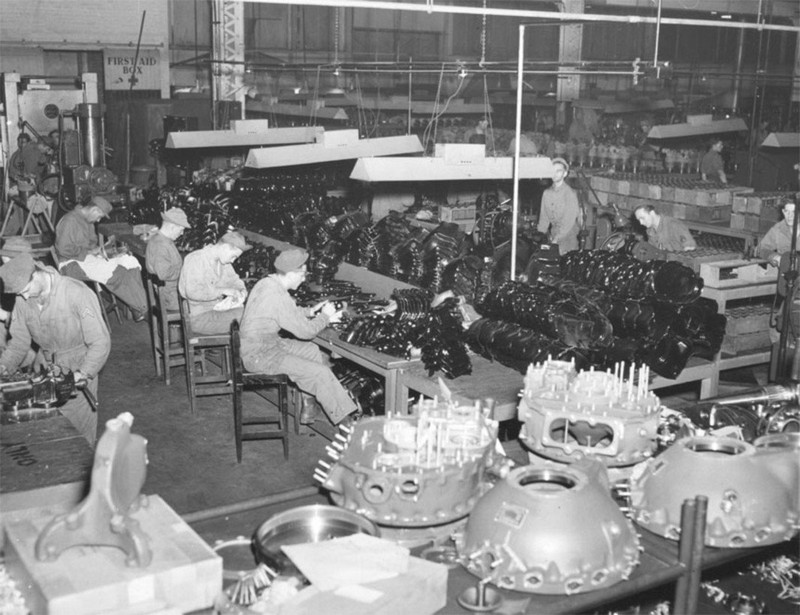
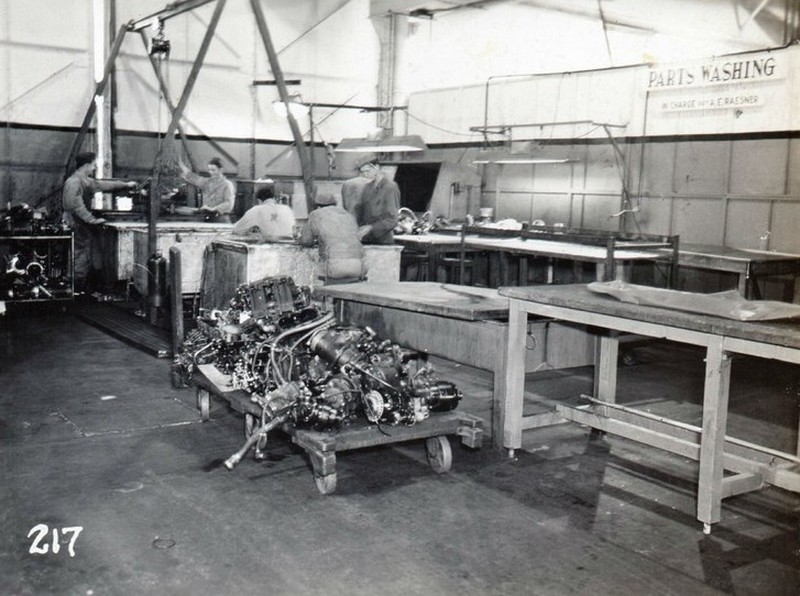
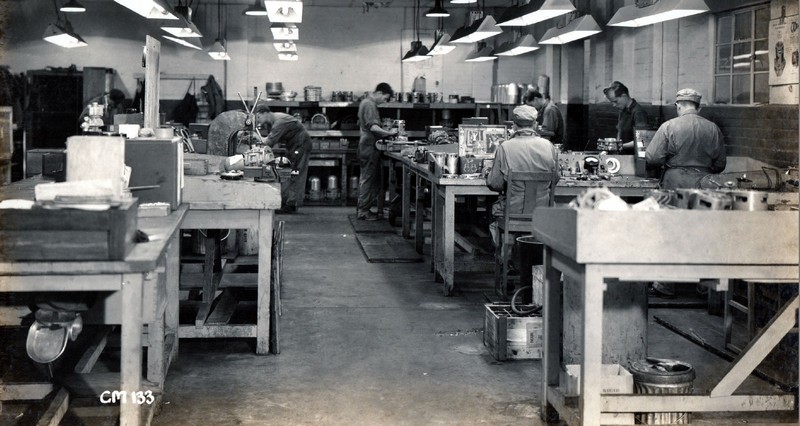
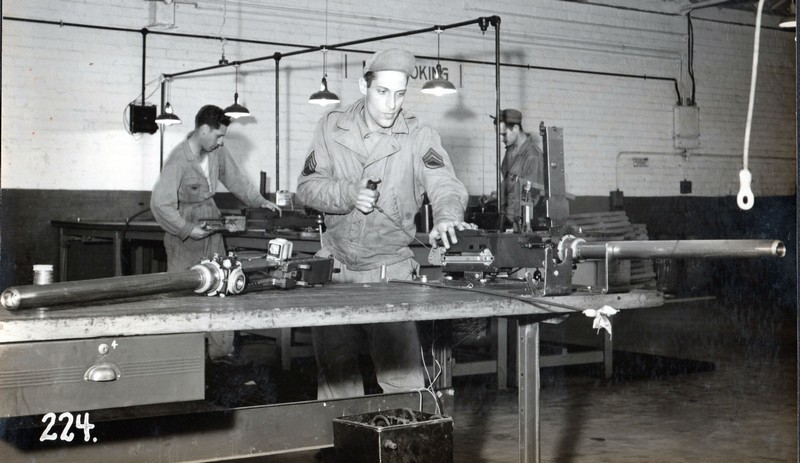
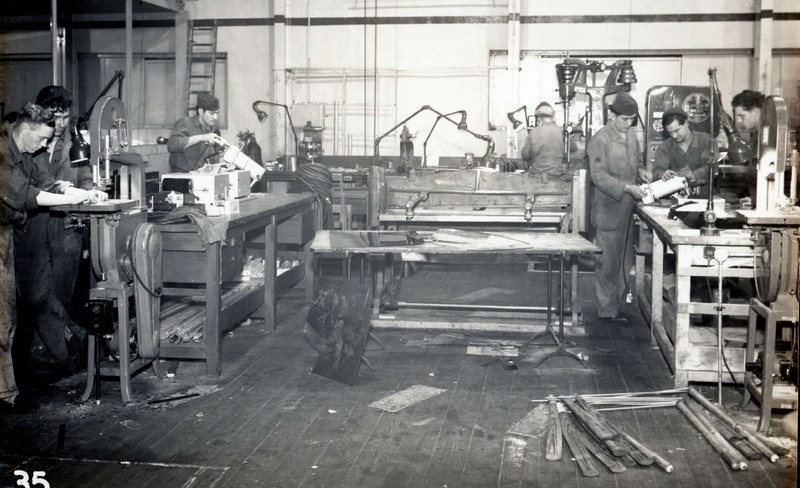
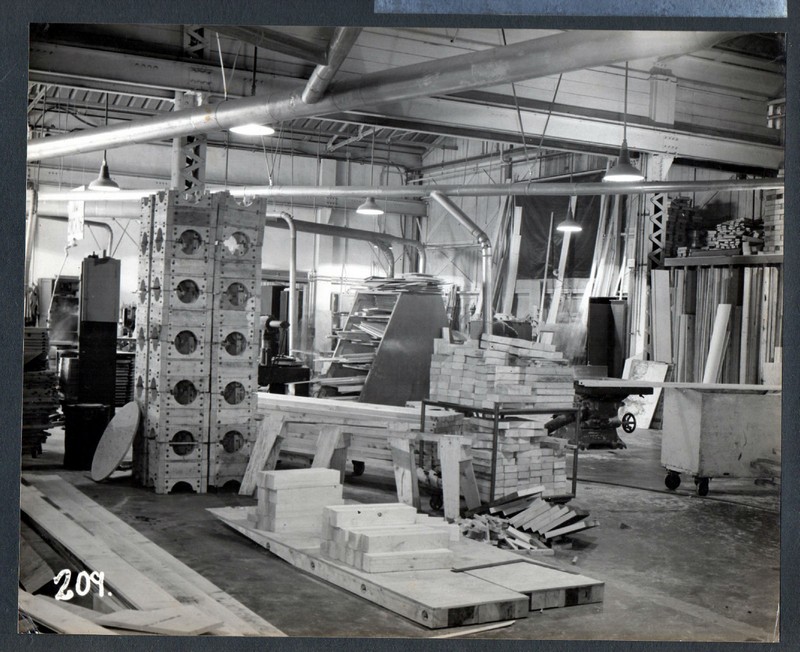
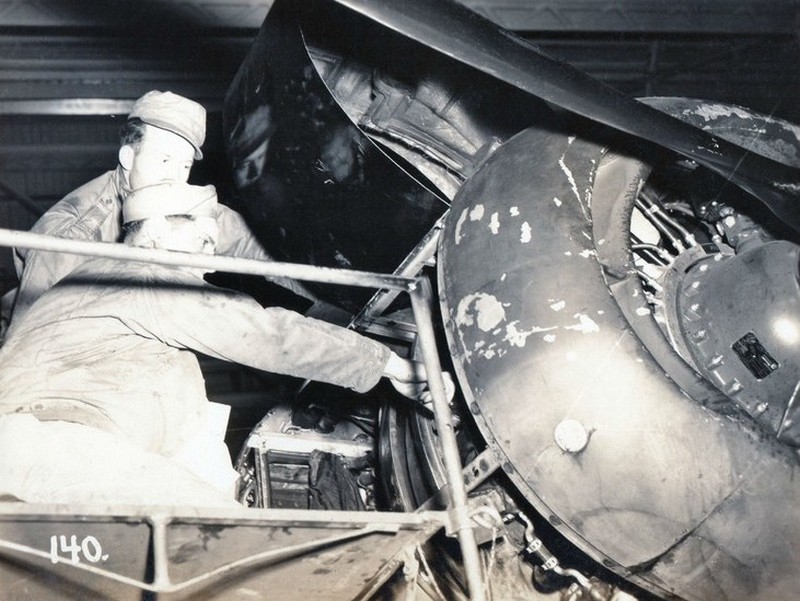
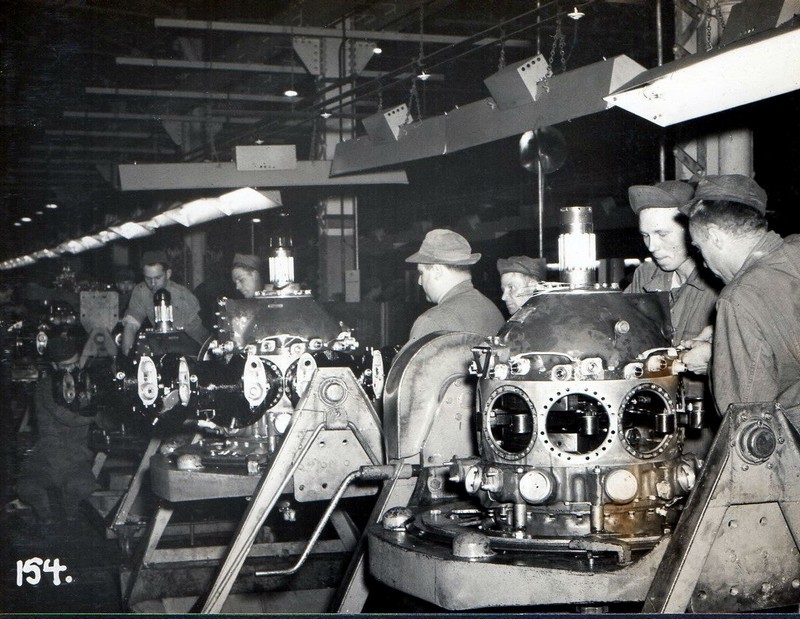
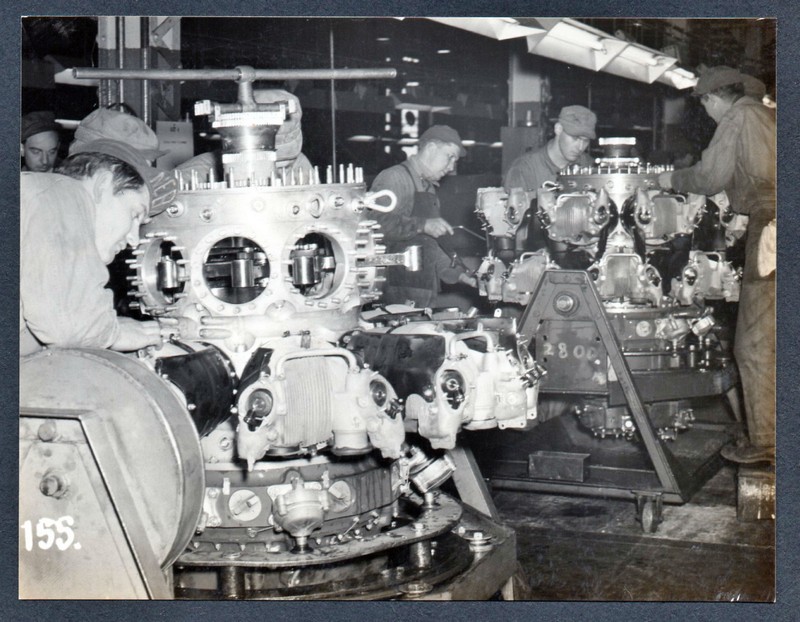
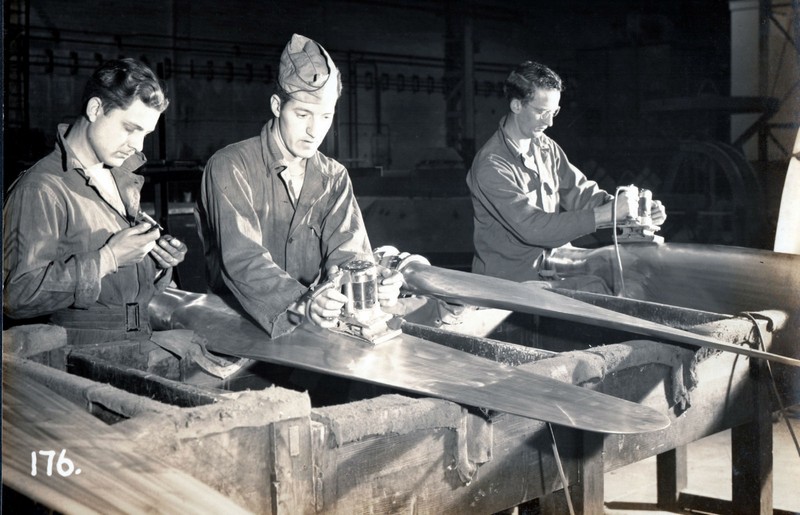
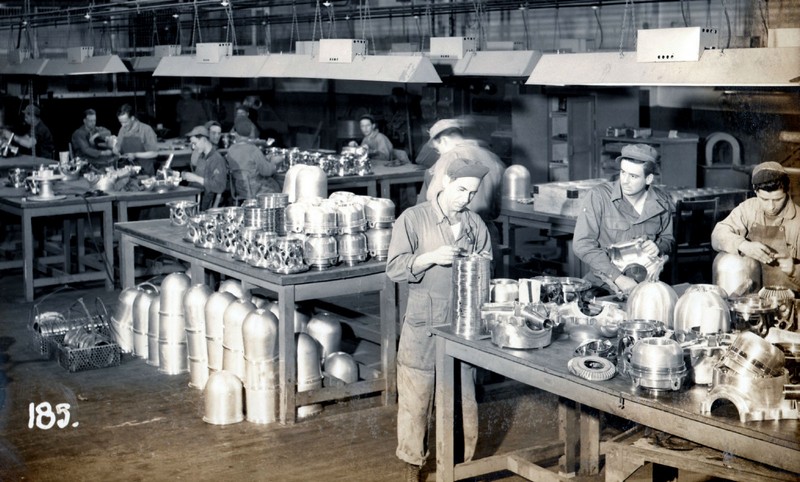
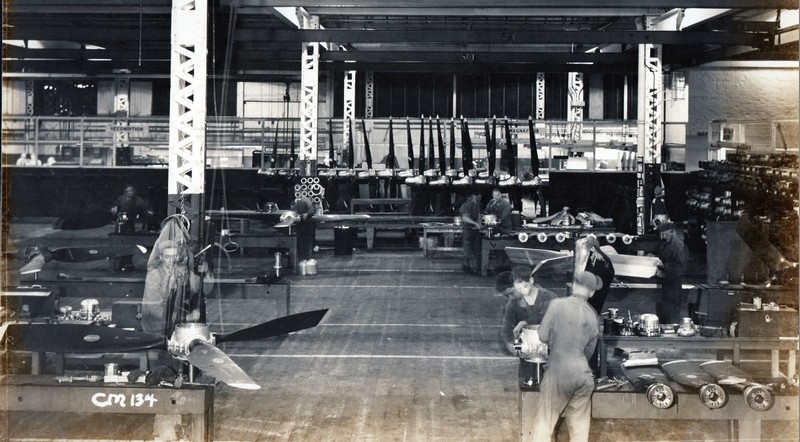
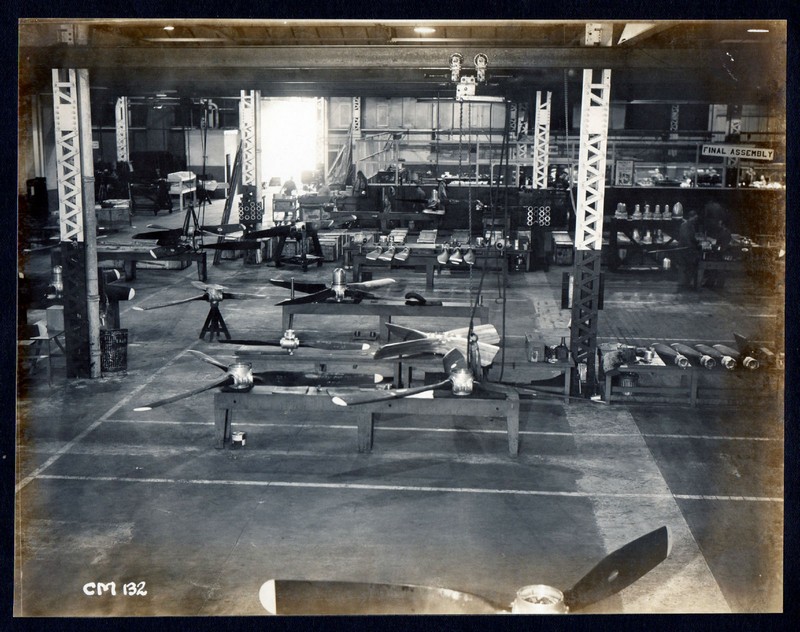
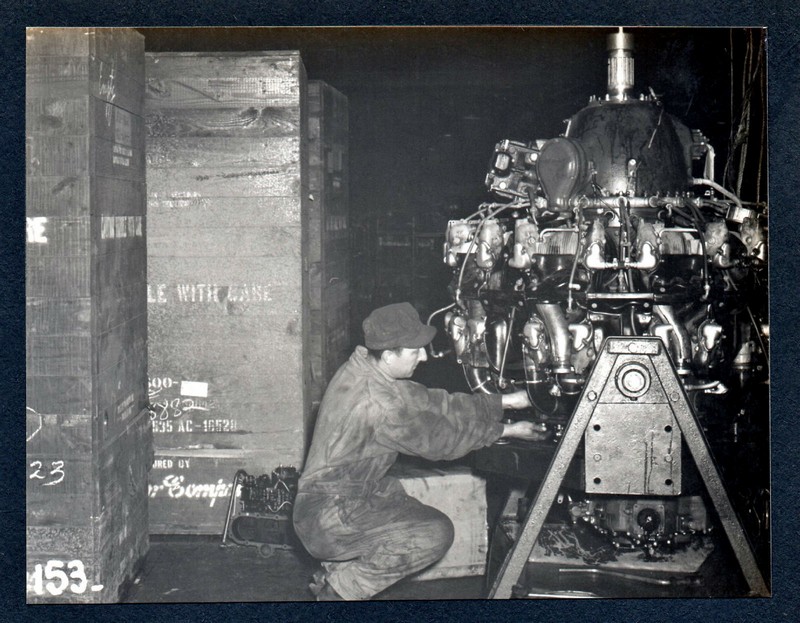
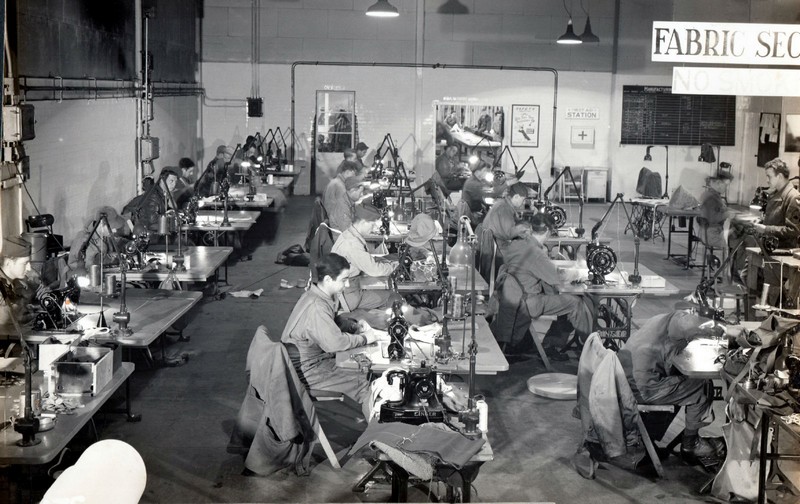
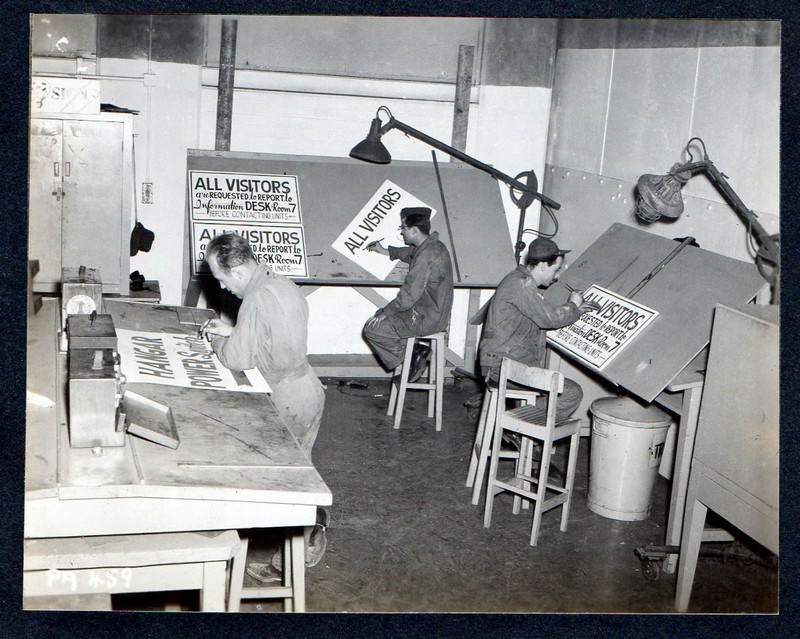
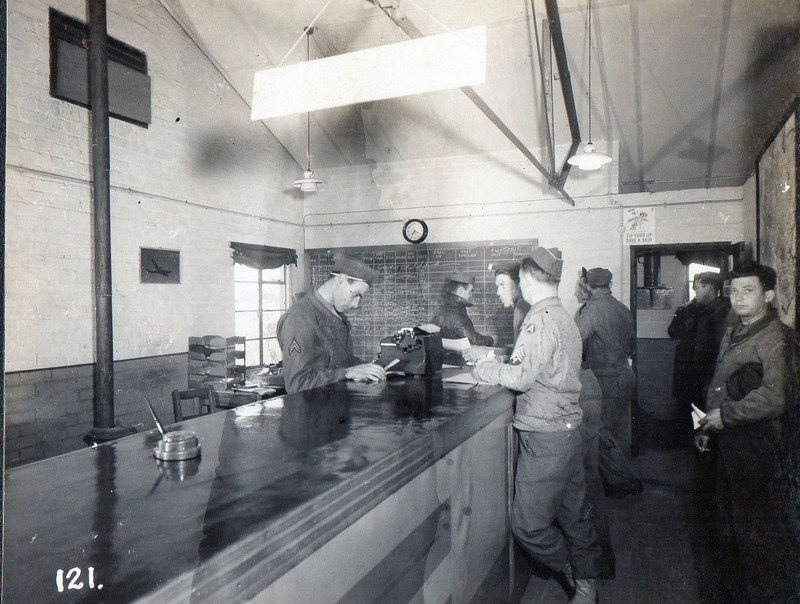
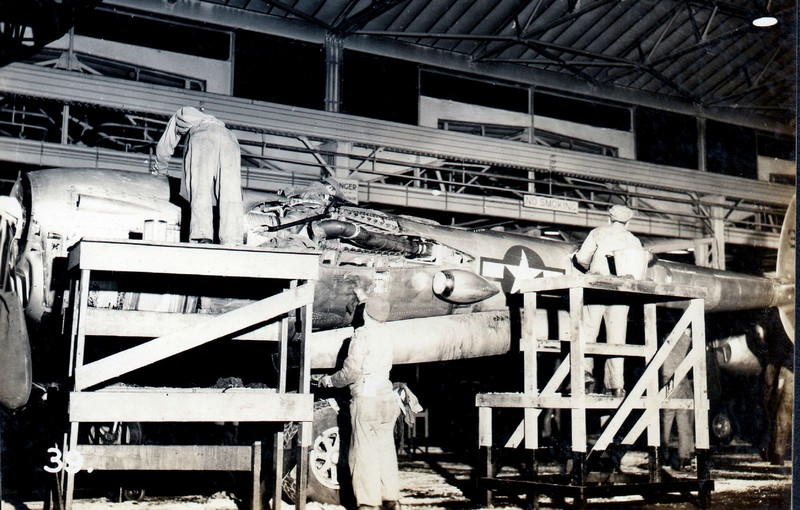
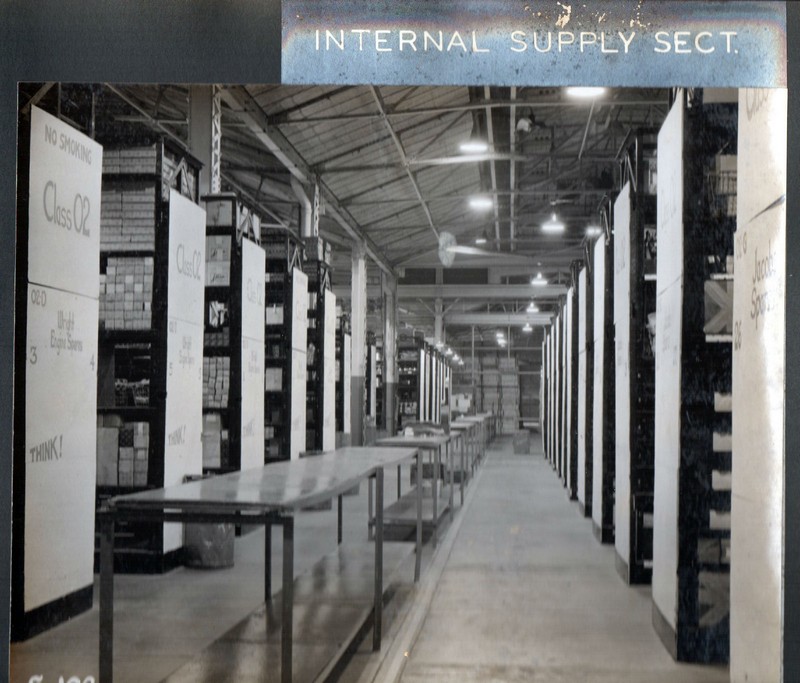
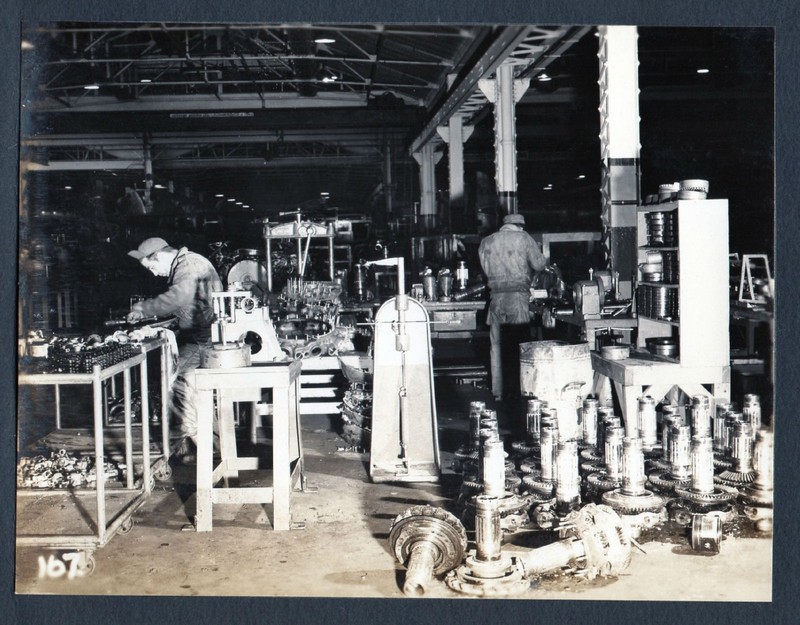
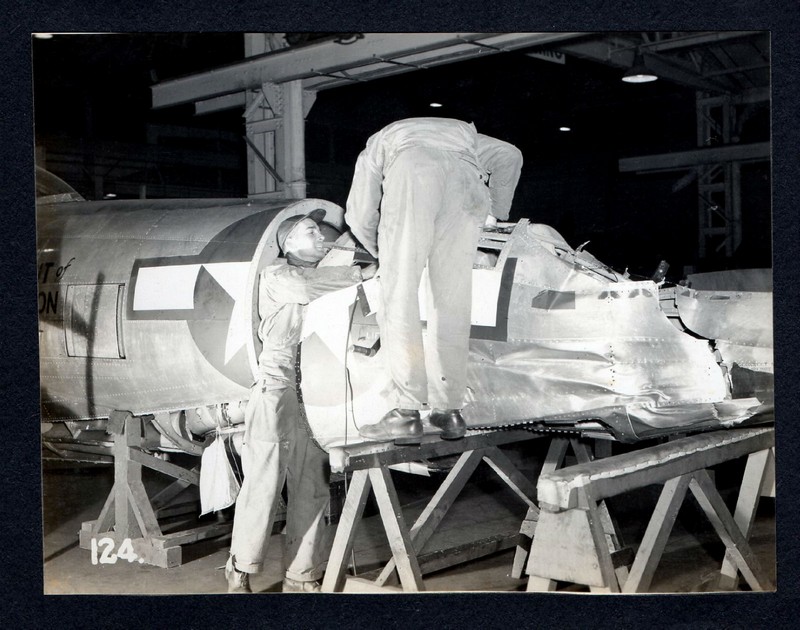
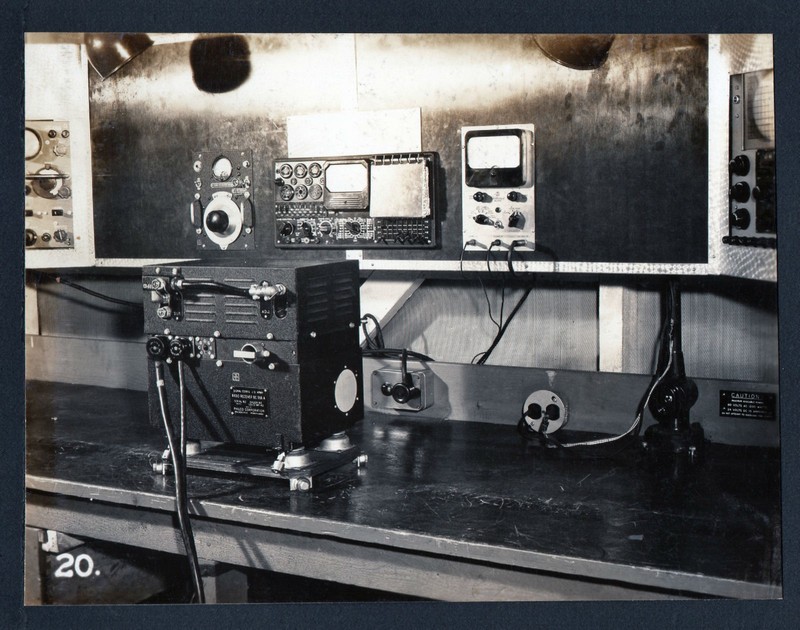
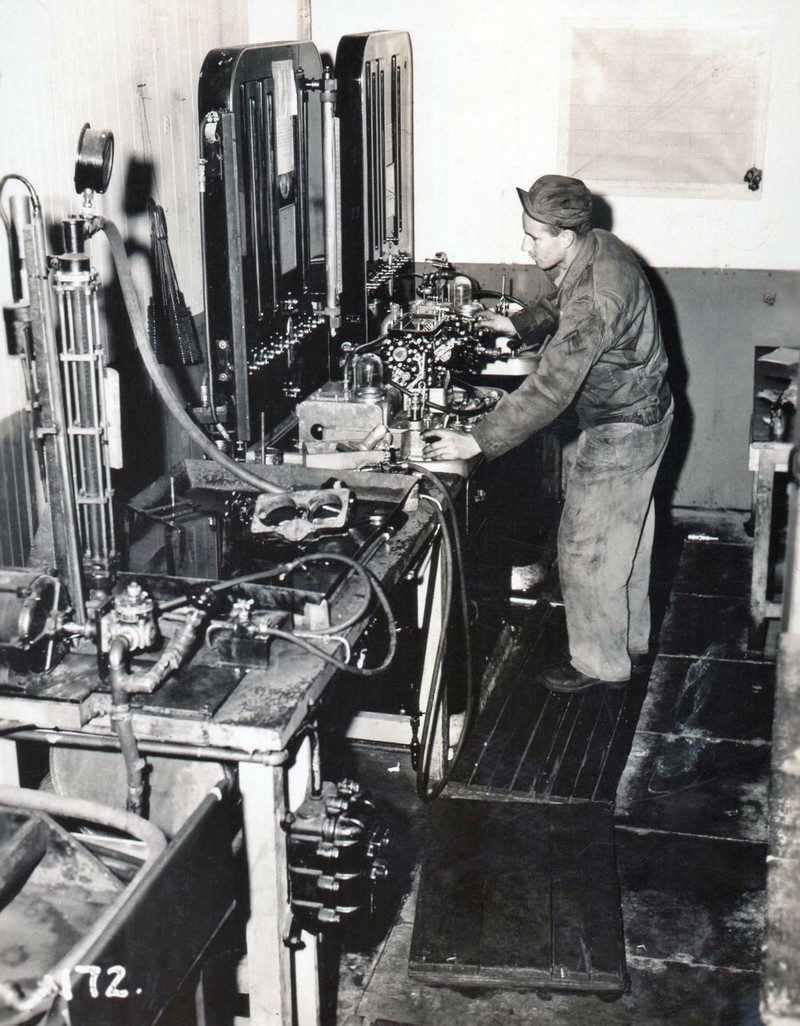
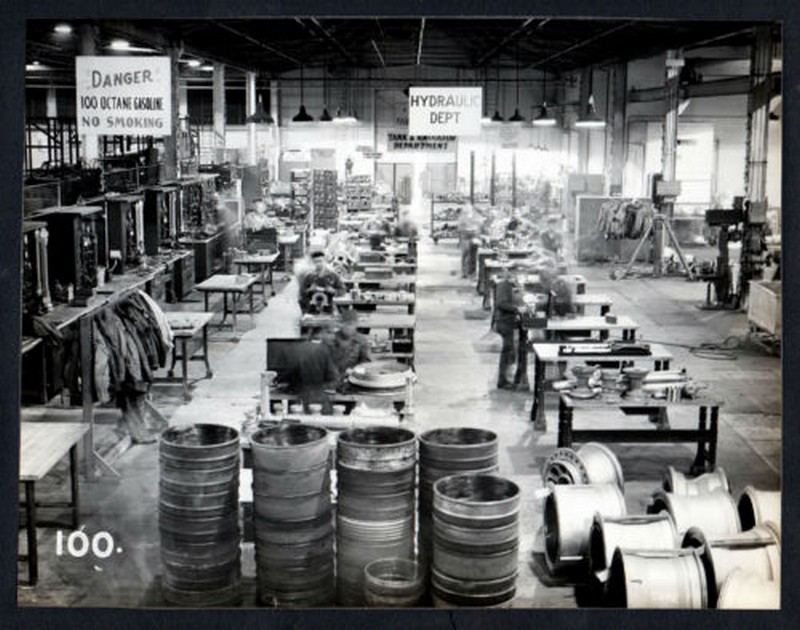
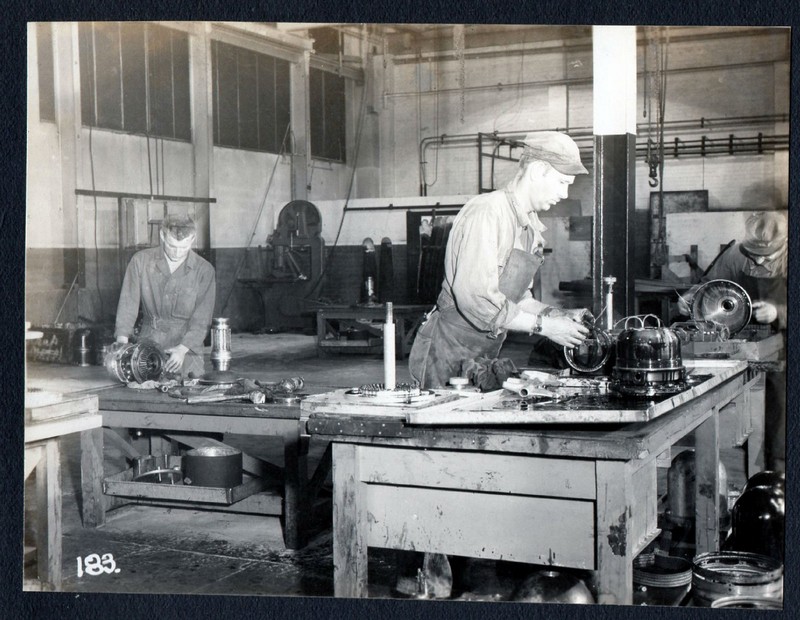
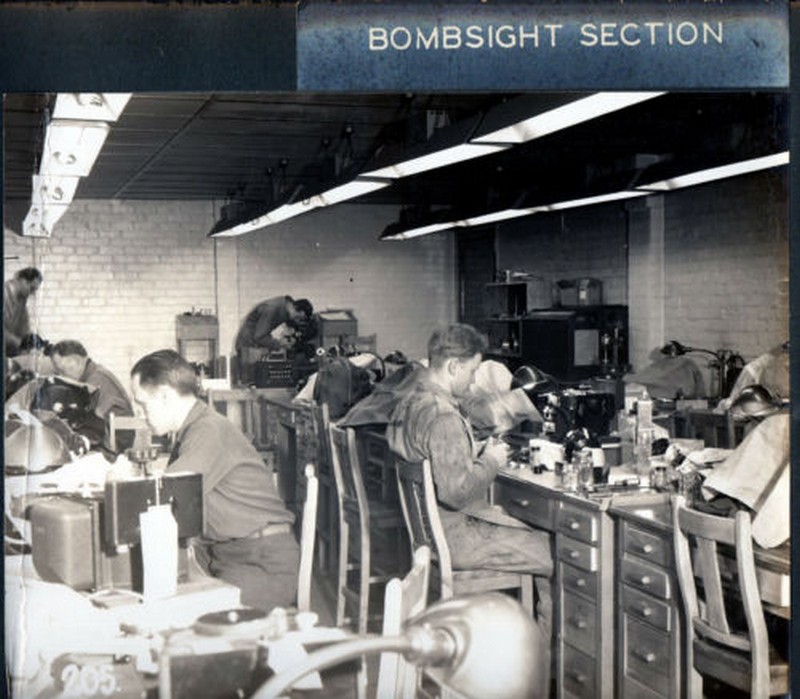
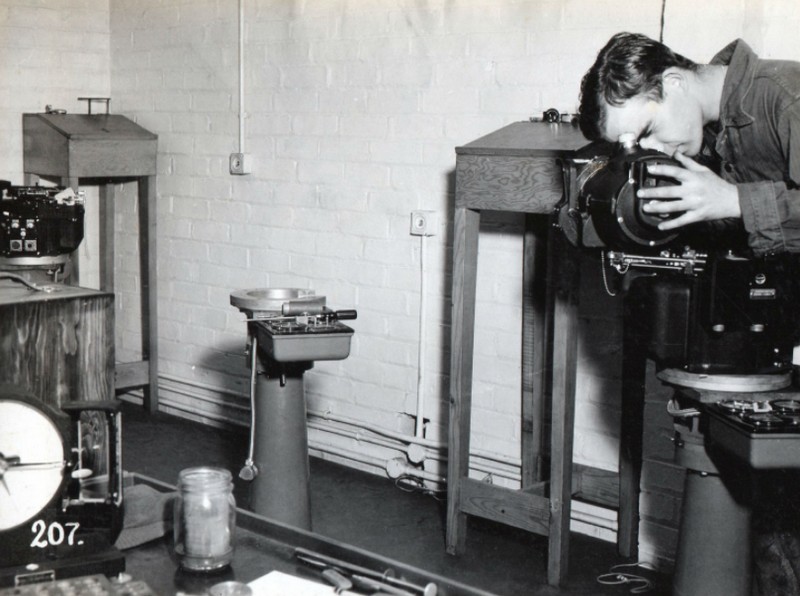
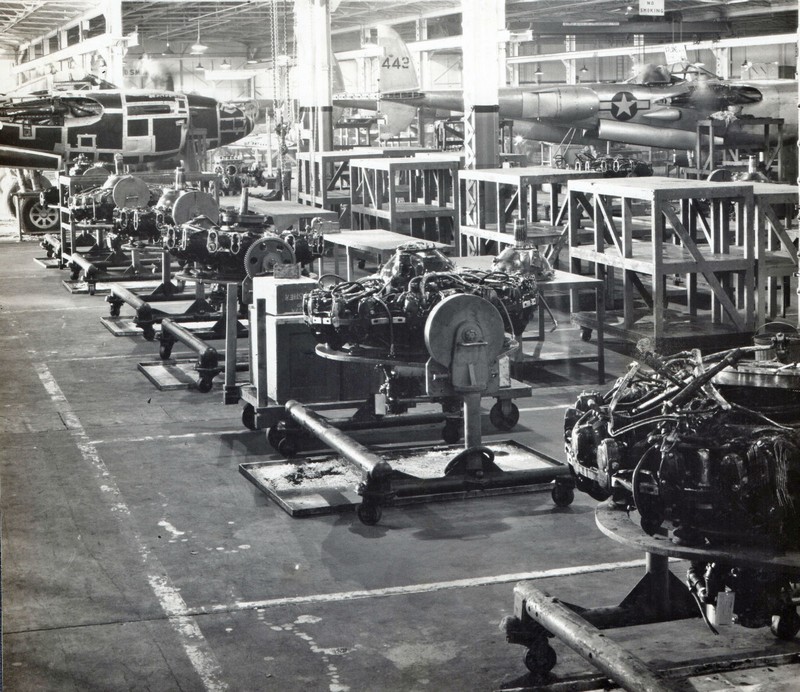
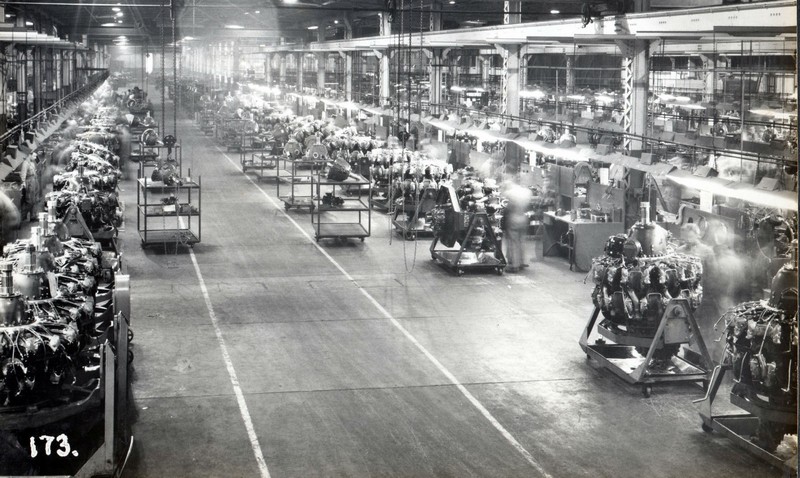
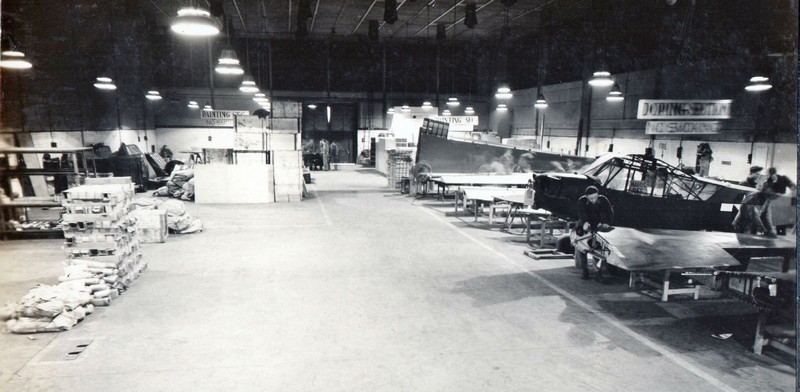
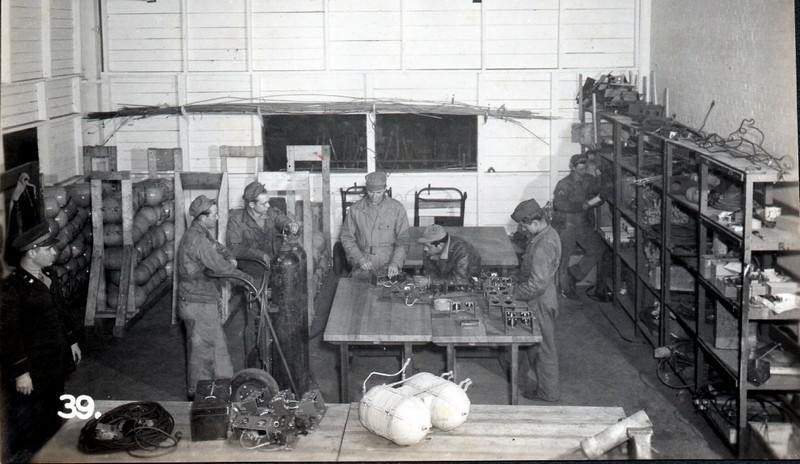
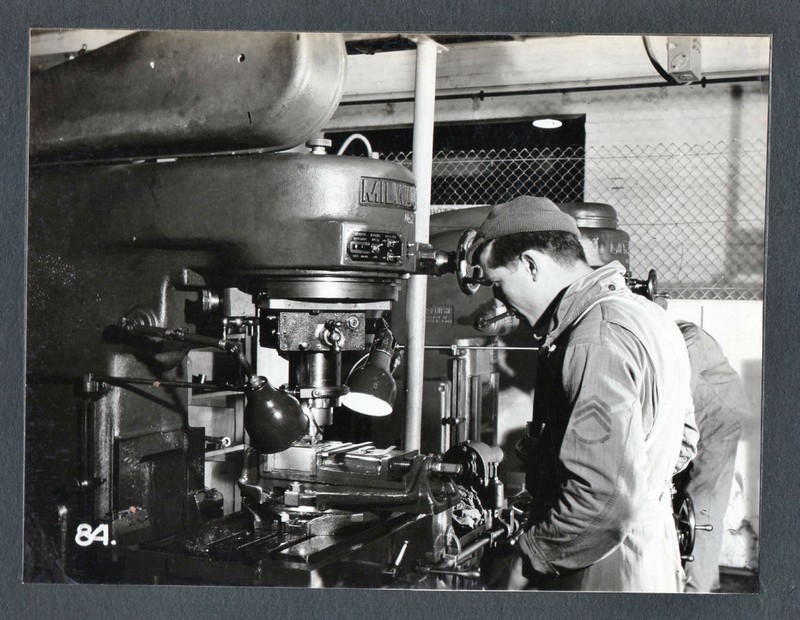
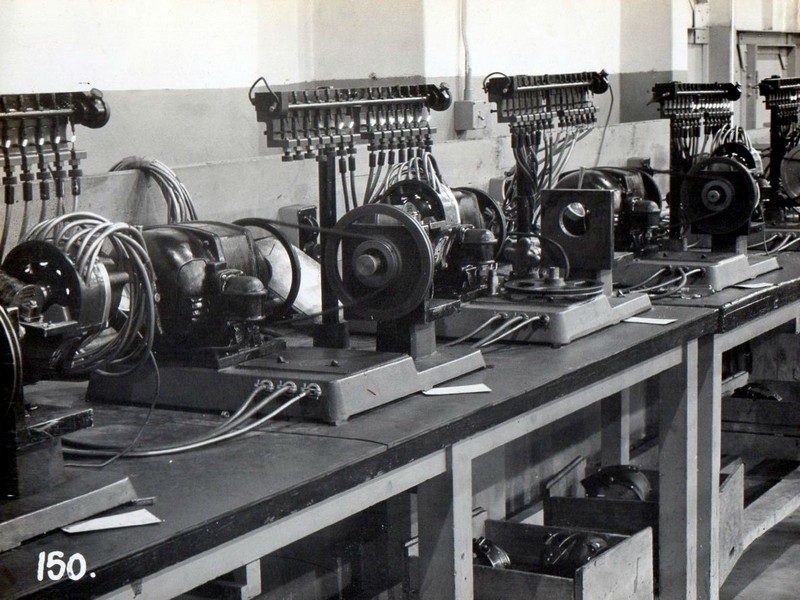
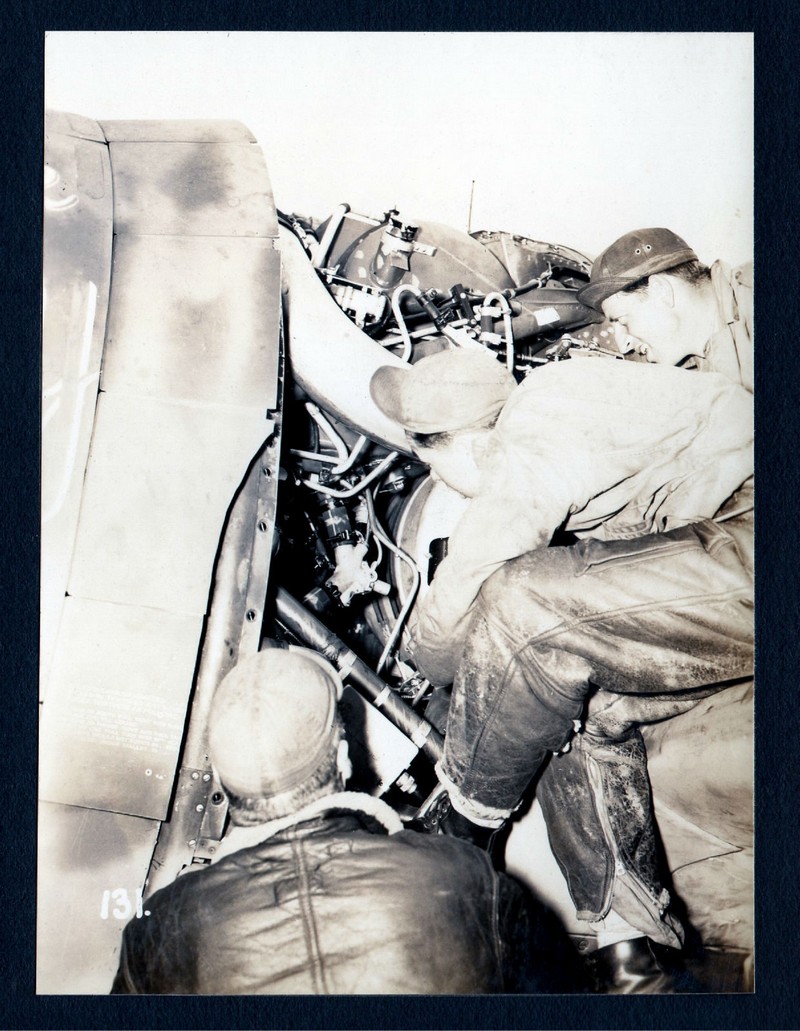
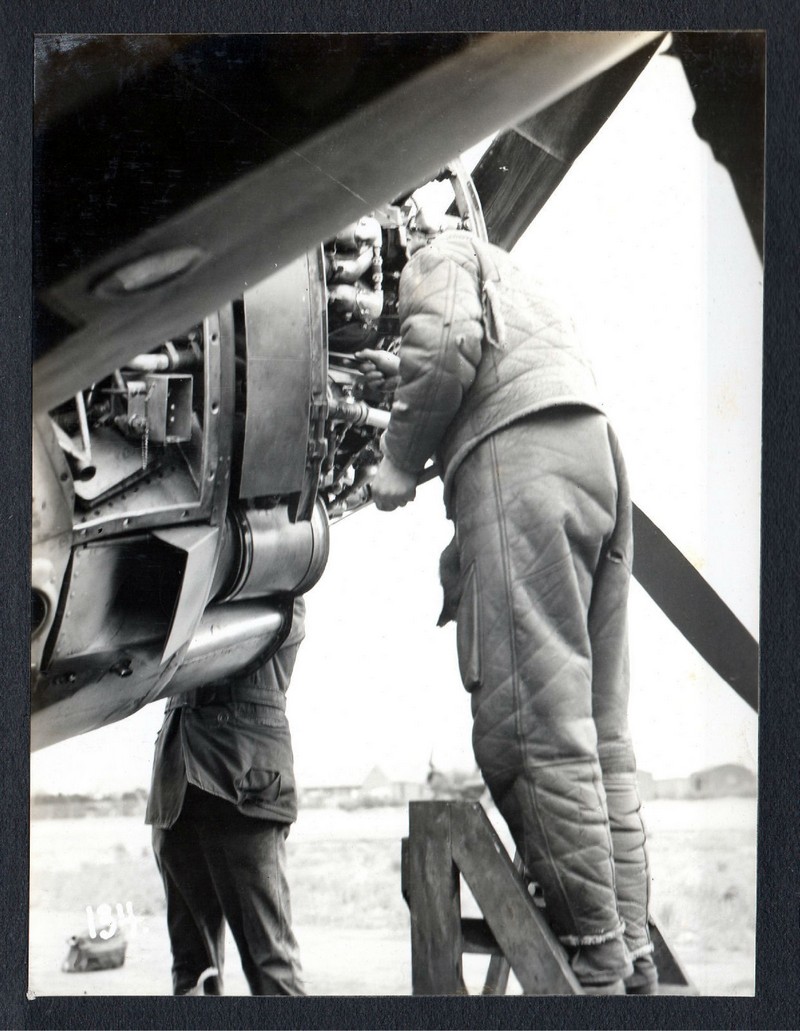
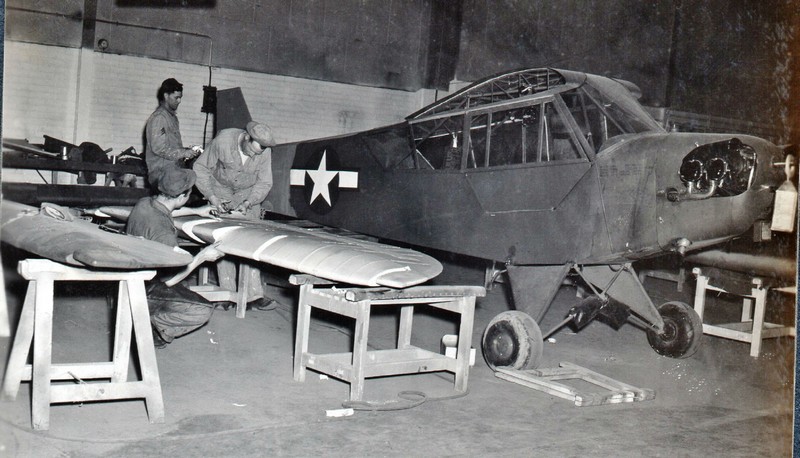
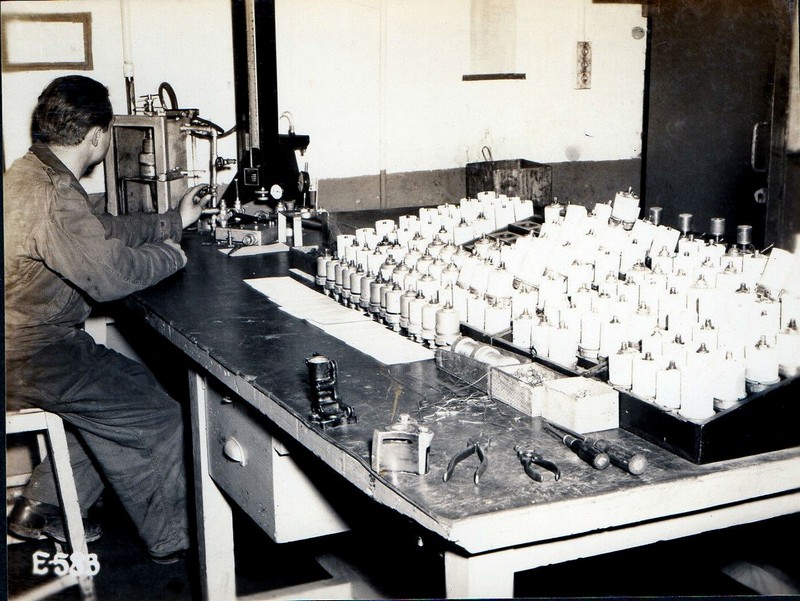
The following photos illustrate the engineering and production facilities at BRD site. Reduction gear cases for radial engines in the foreground and induction manifolds and Radial Engine Cylinder Heads in the Background
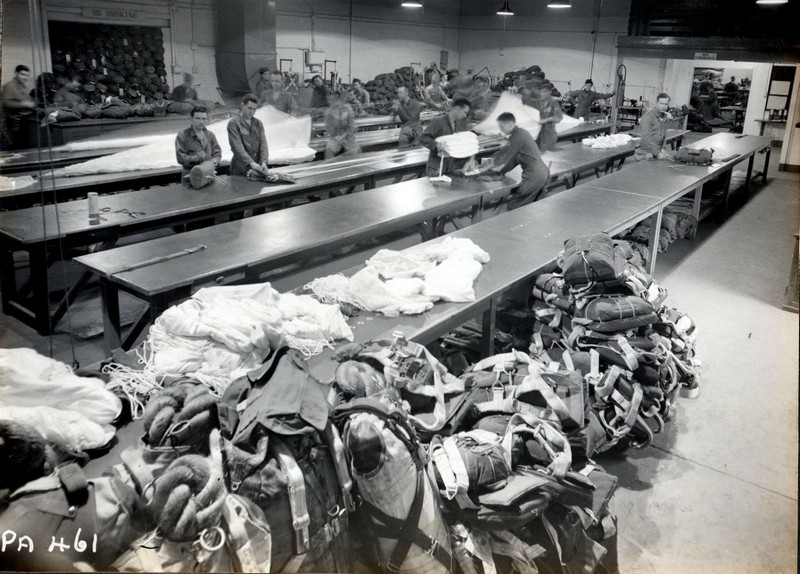
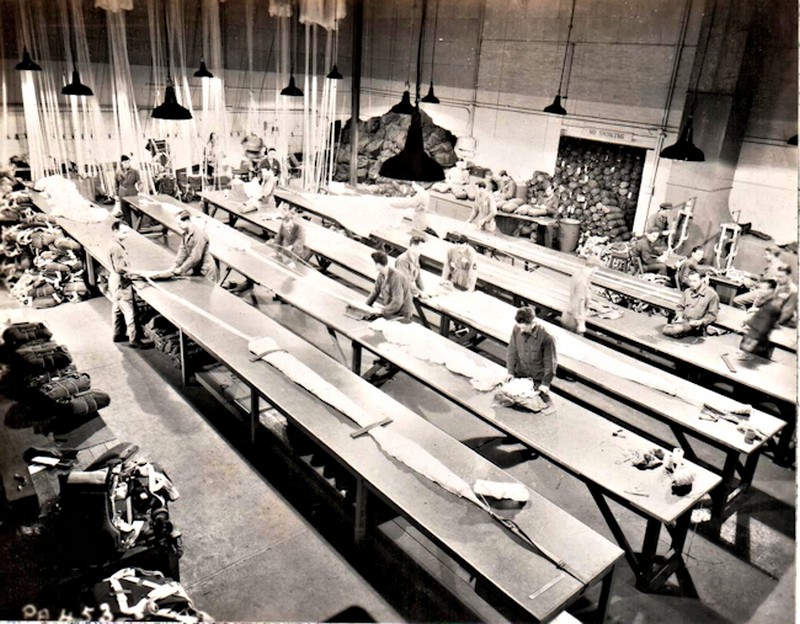
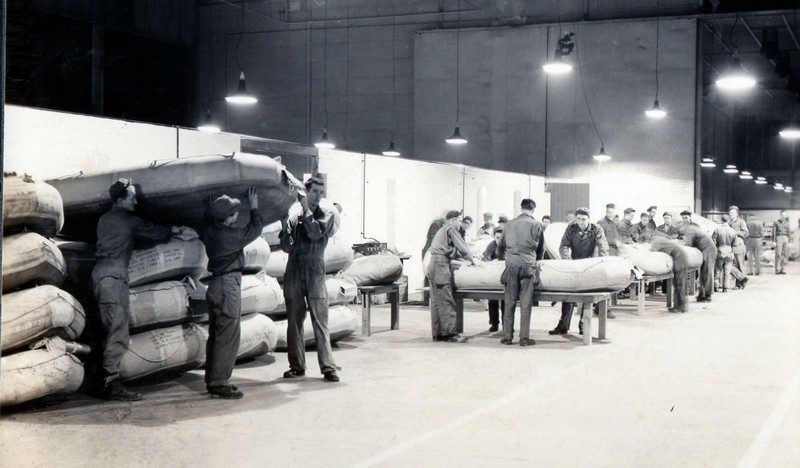
Photo PA 461 Parachute Inspection & Packing. Note: In the foreground of the photo are crash test dummies.
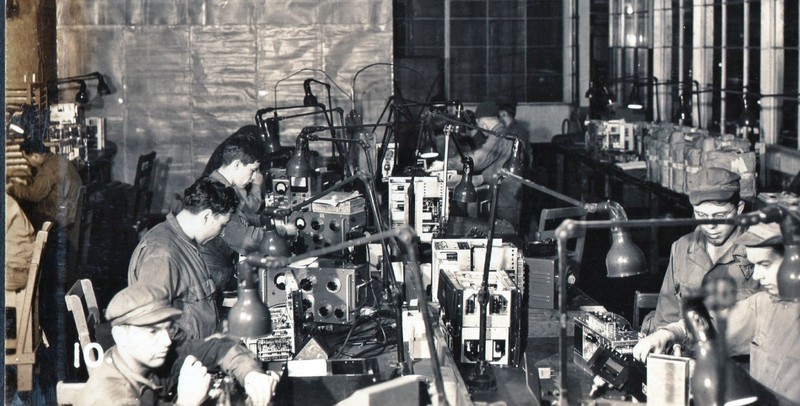
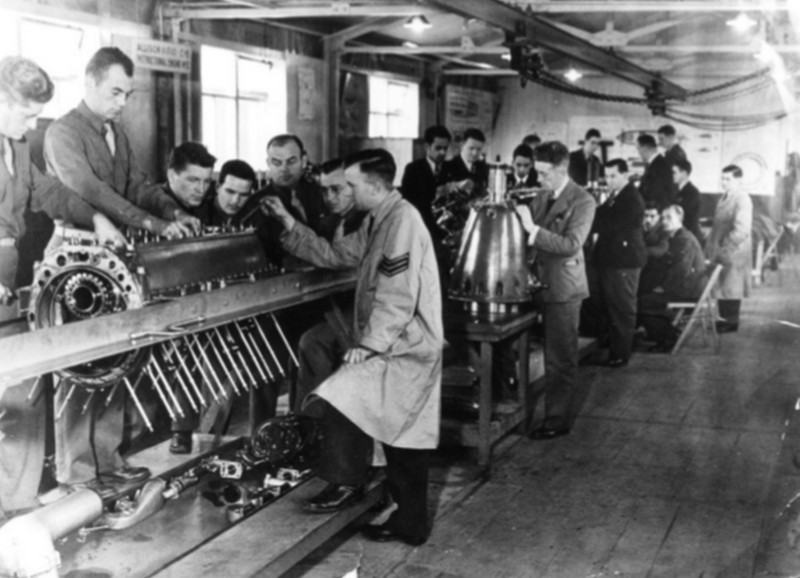
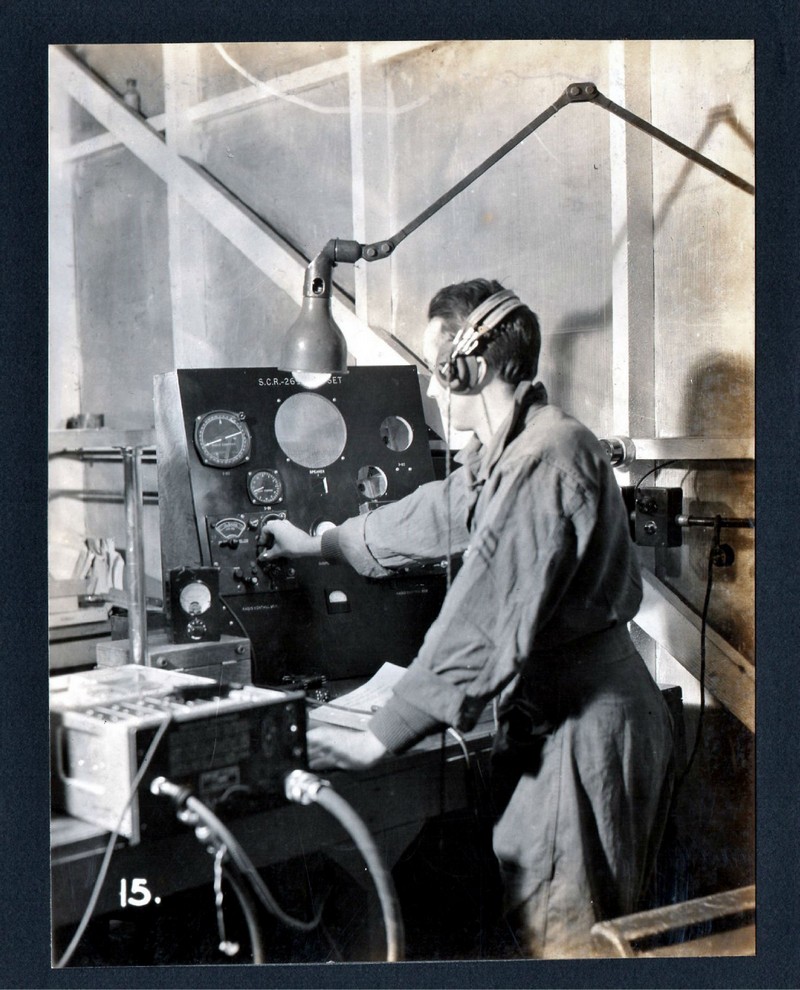
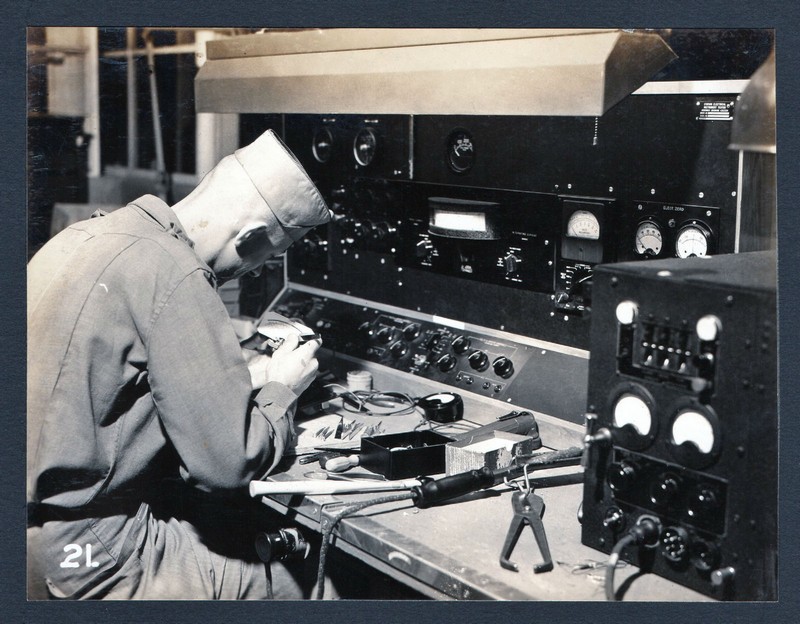
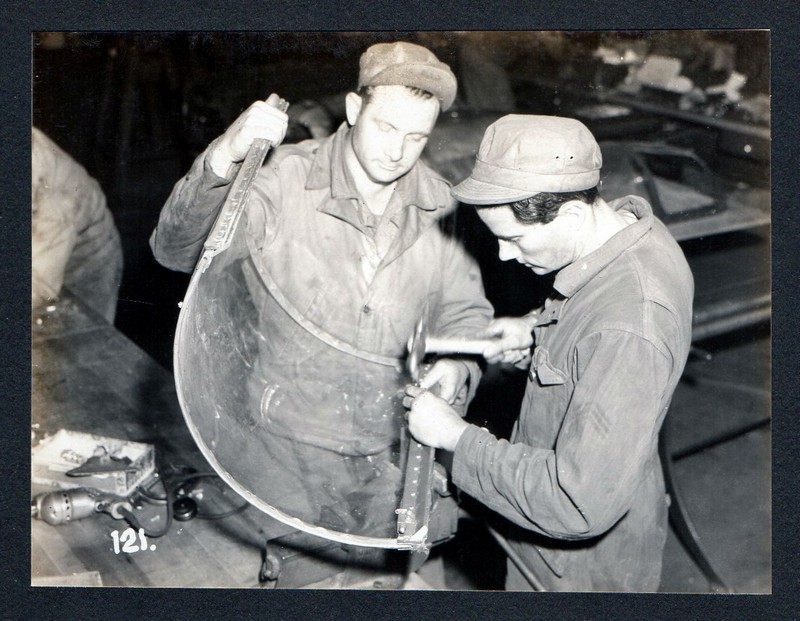
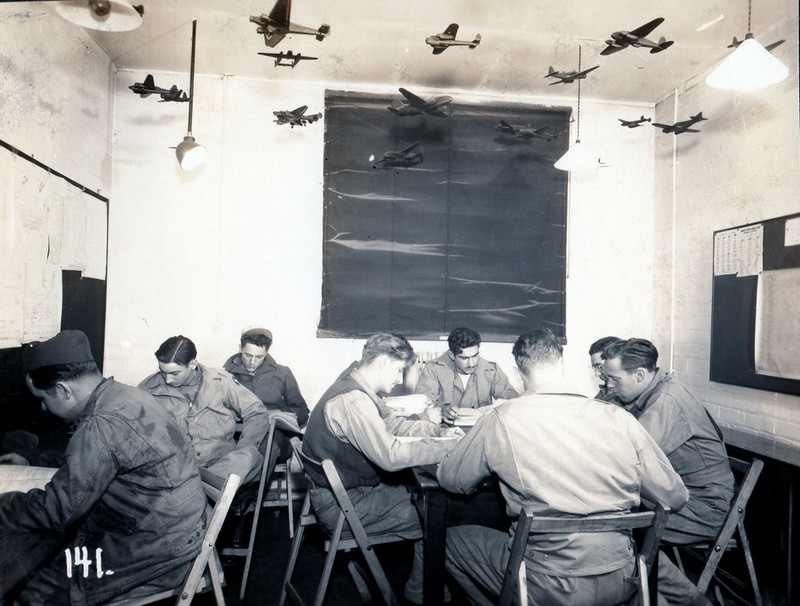
BRD Site established manufacturers courses for civilian and RAF personnel and on 7 July1942, the number 21 school of technical training was formed. The school was under the control of the MAP Ministry of aircraft production that had three courses being hydraulics, American engines, and electrics. At first, the school had 58 students with 11 instructors, and by early 1943 the school was running ten courses on turbo-superchargers, cyclone and wasp engines, P-47and B-17 airframes and electrics. Other training courses included pilot handling, flight engineers, even with the arrival of the United States army air force the training school continued to train their students the, number 21 school of technical training was disbanded on 16 April 1946. Students of Number 21 school of technical training inside the workshops.
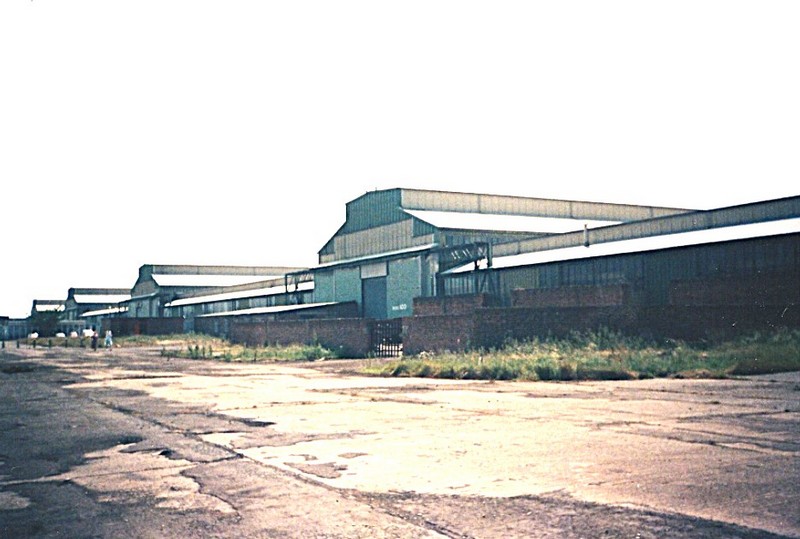
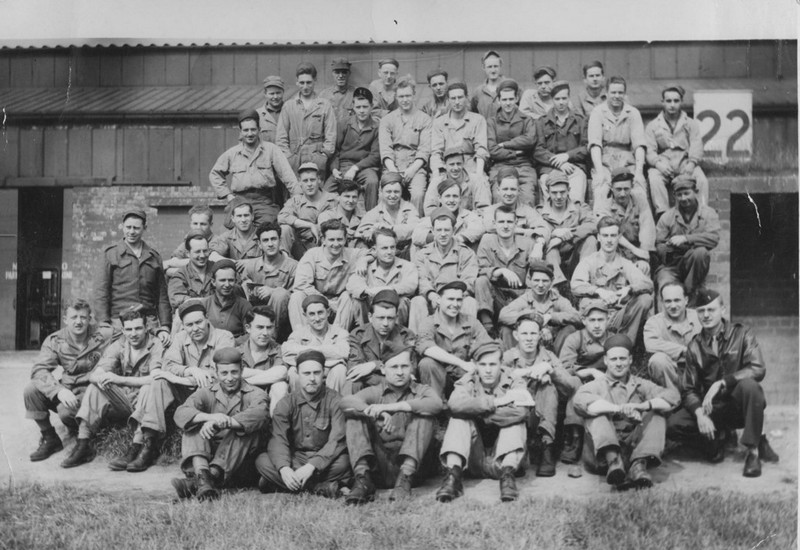
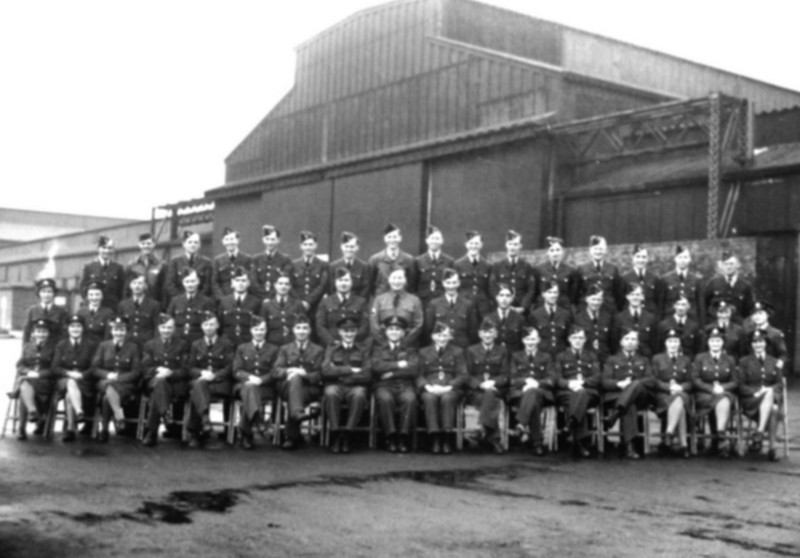
Group photo of students of the number 21 school of technical training outside one of the air ministry depot type workshops at BRD site.
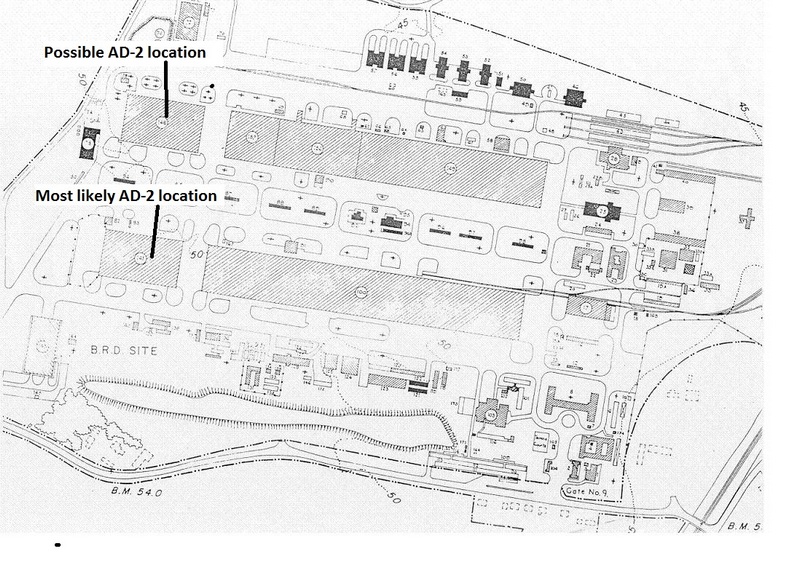
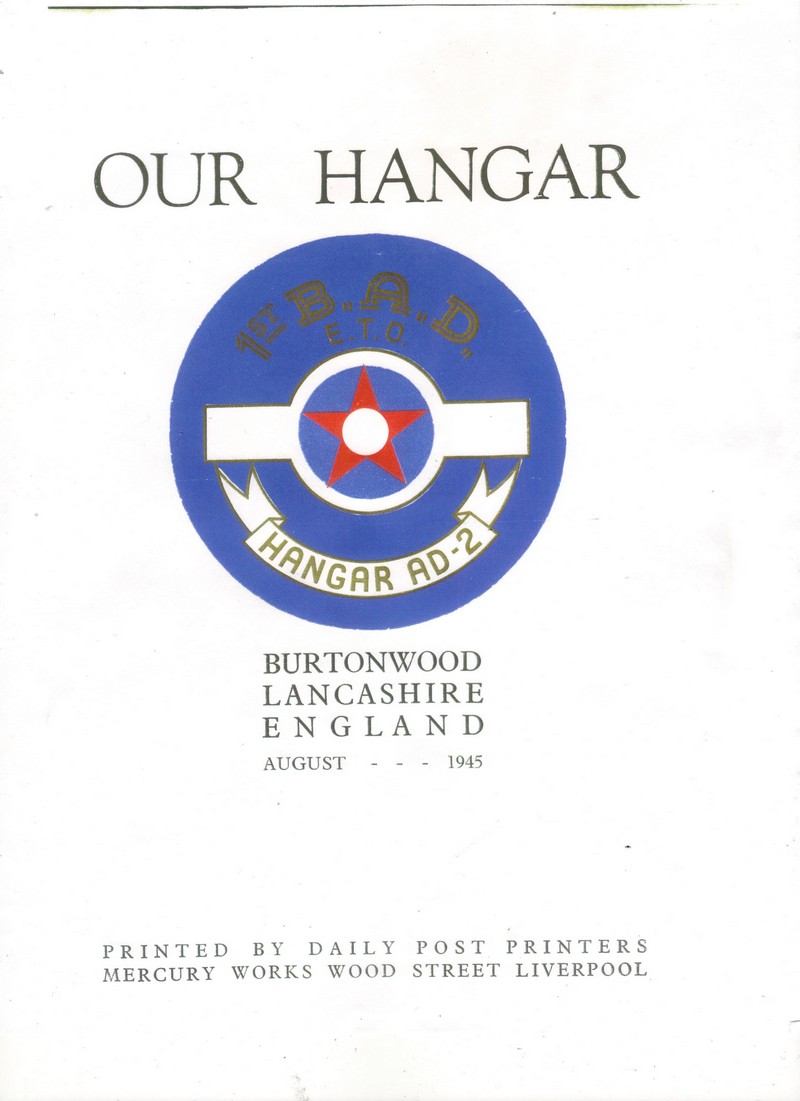
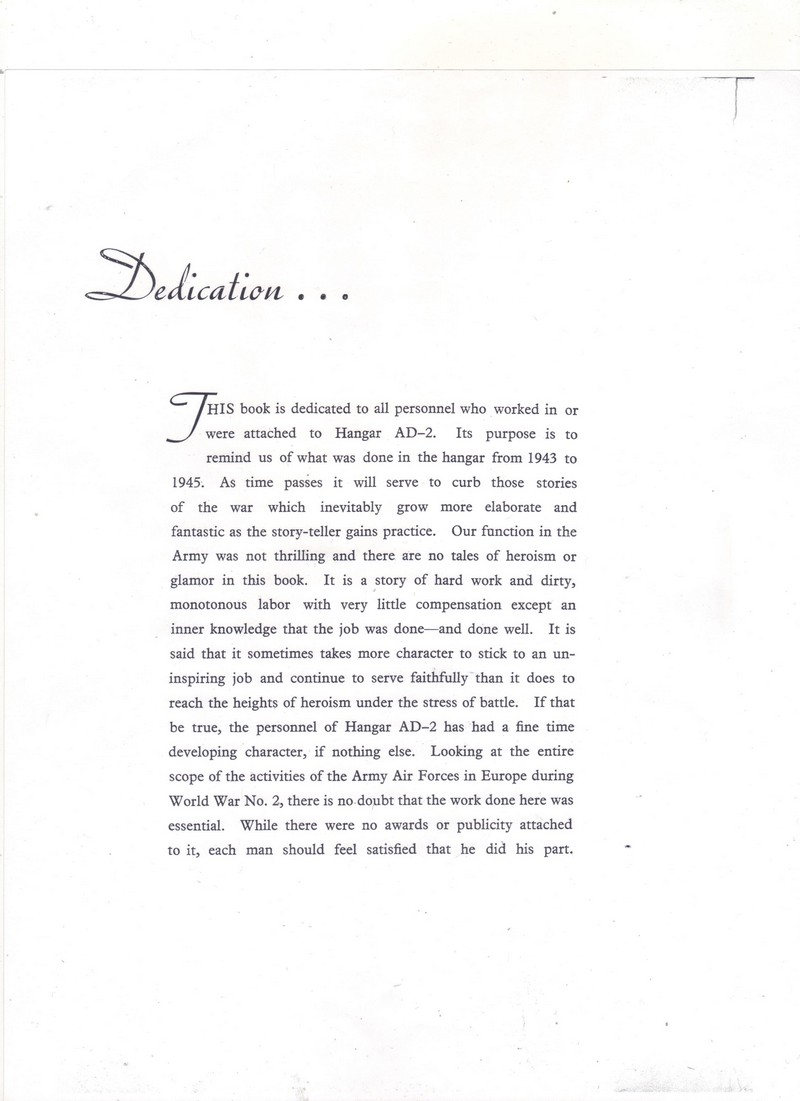
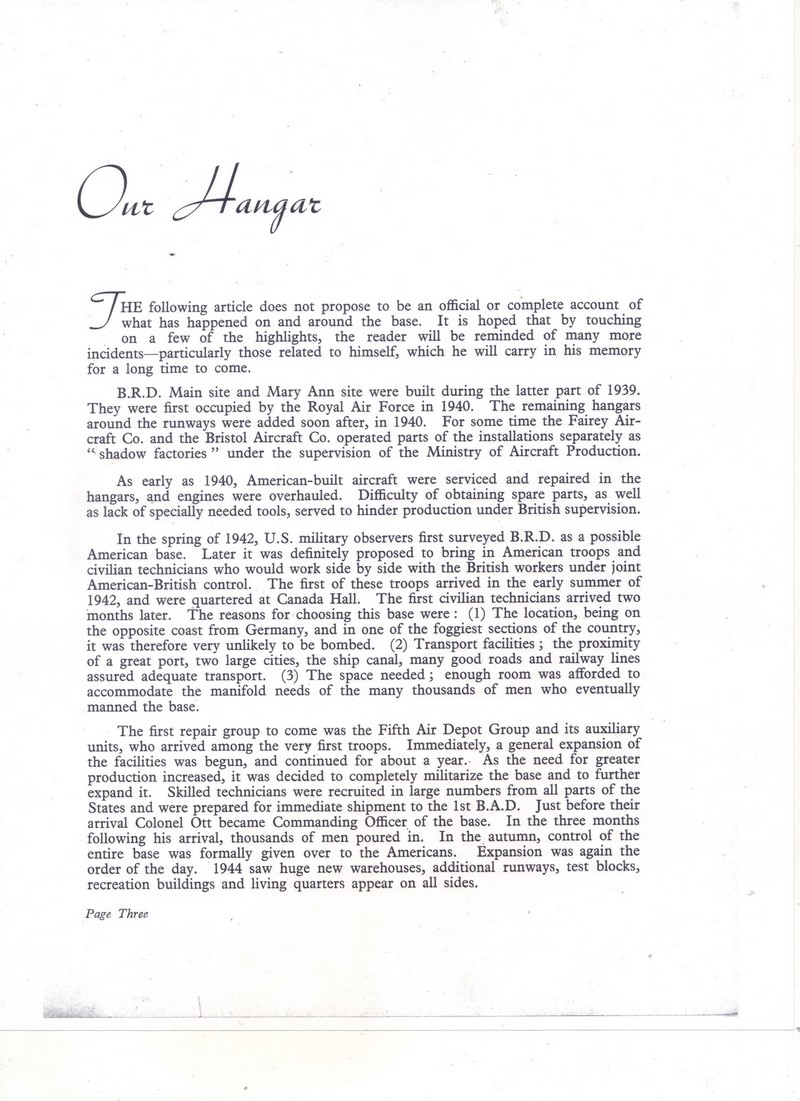
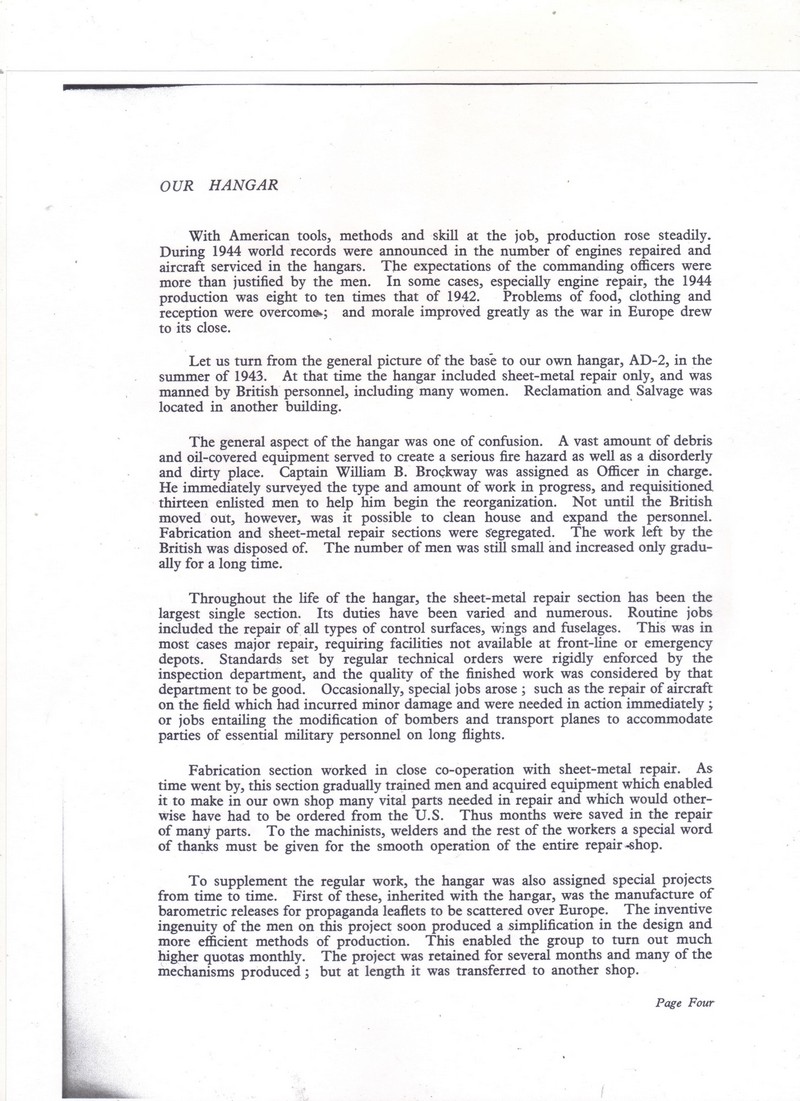
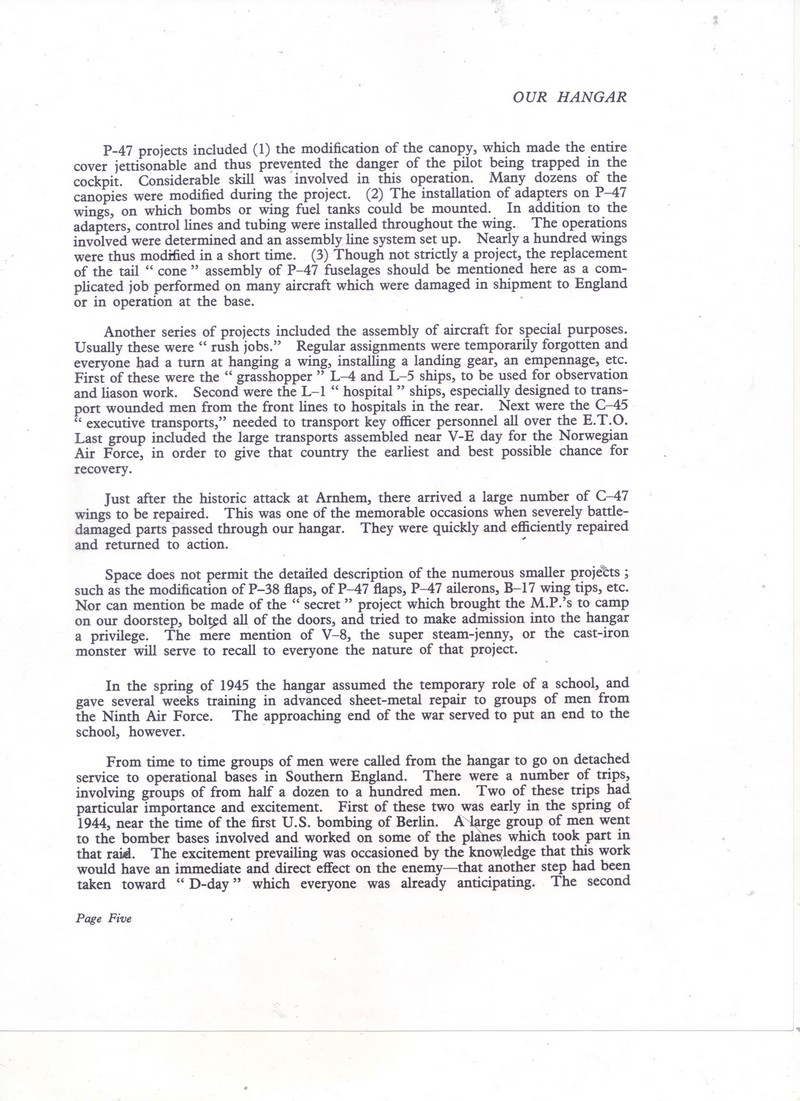
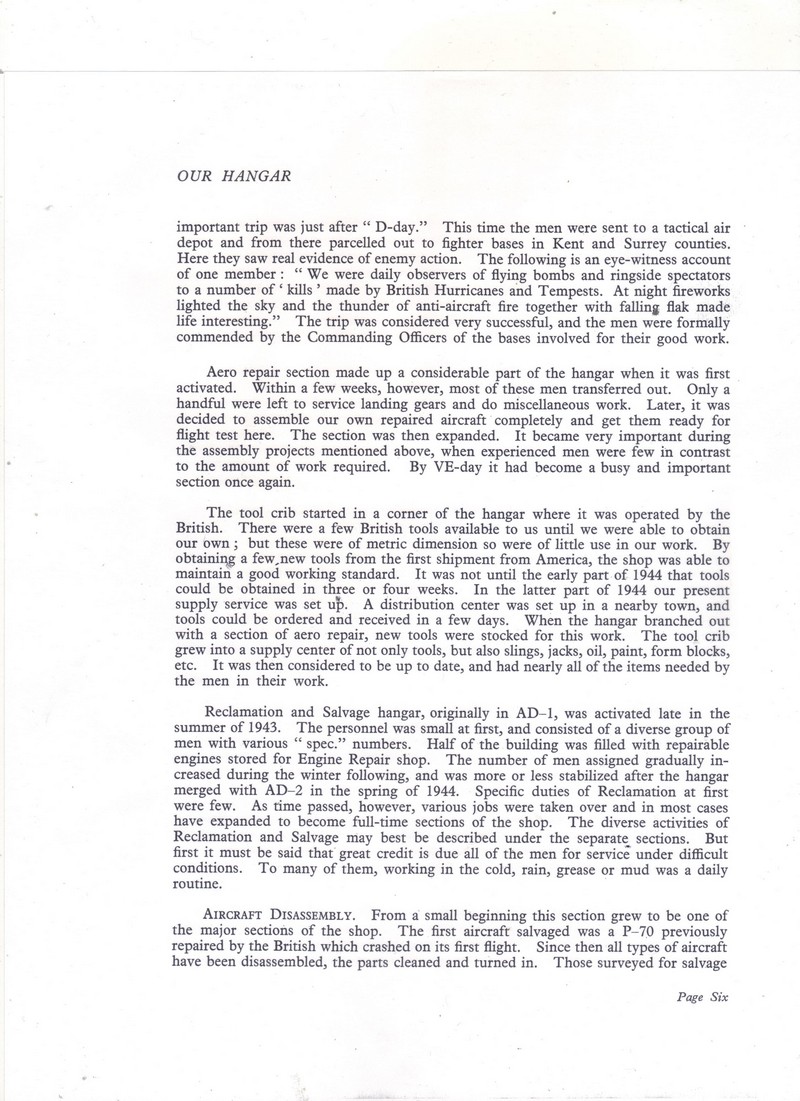
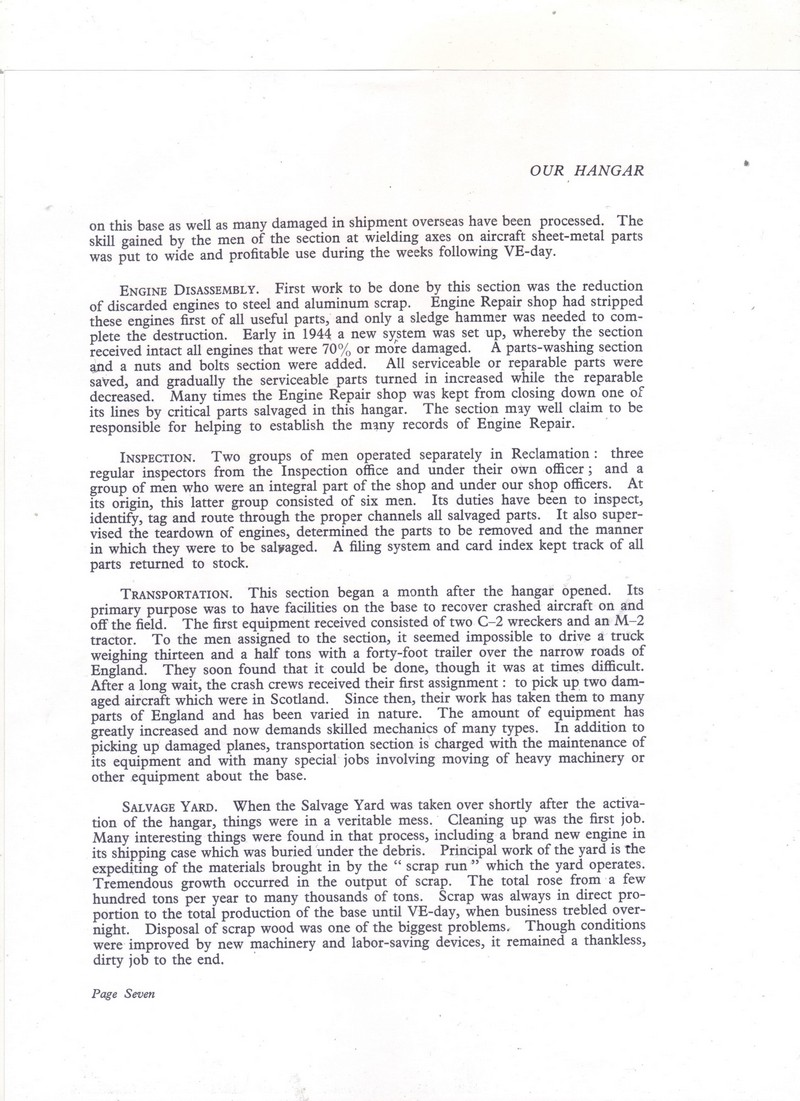
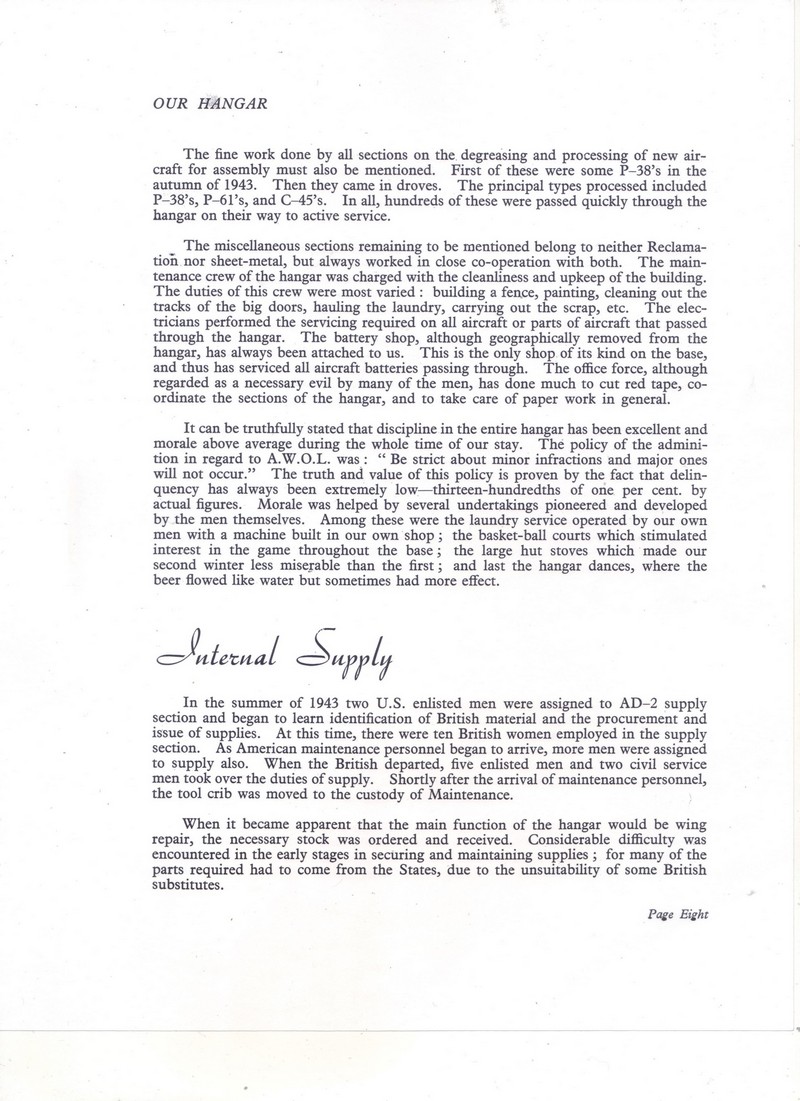
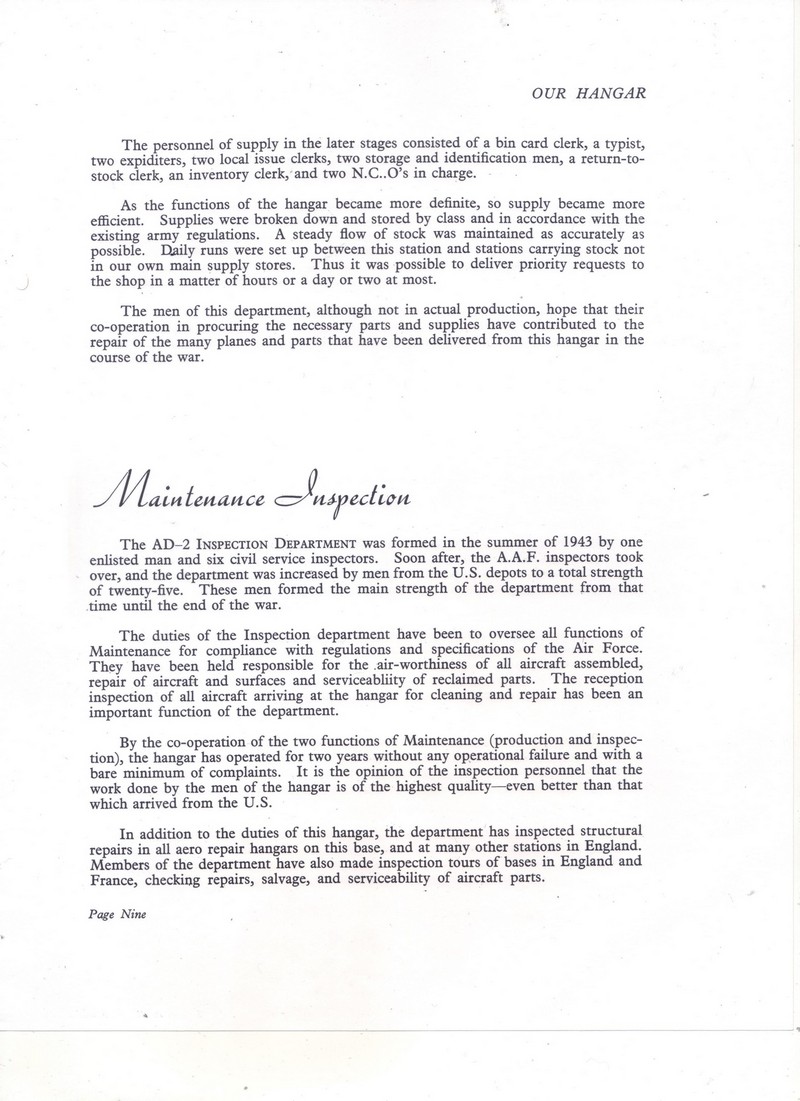
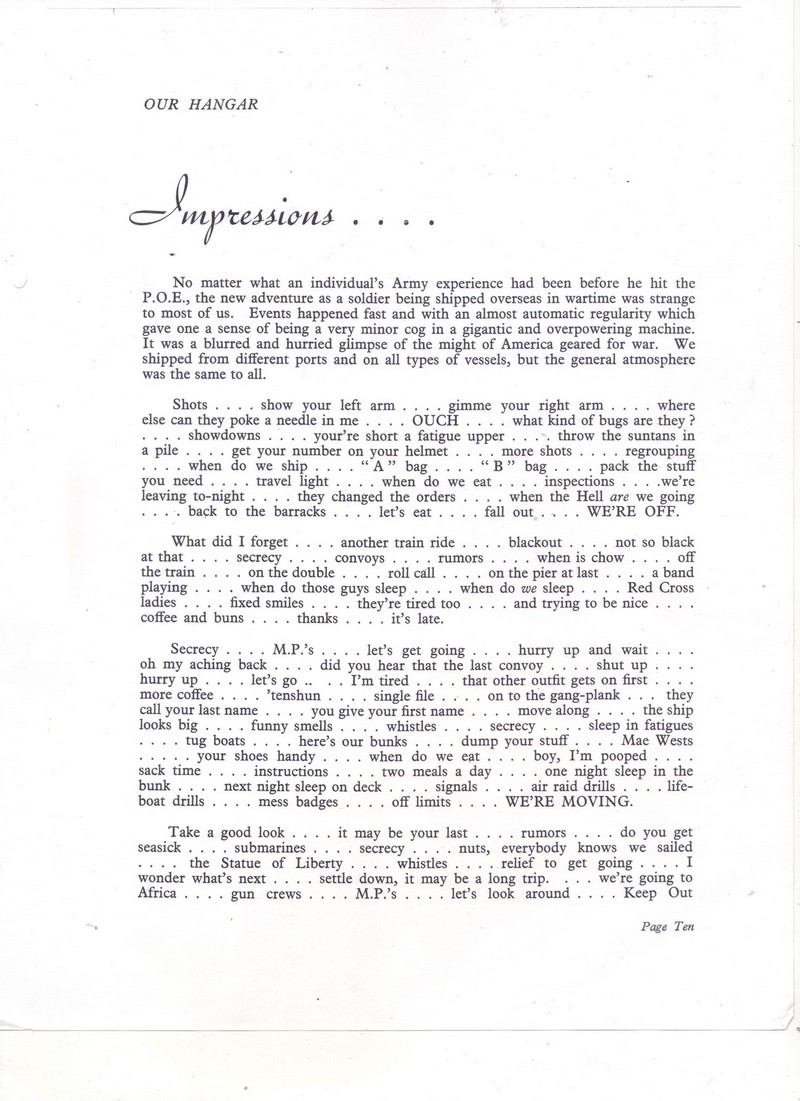
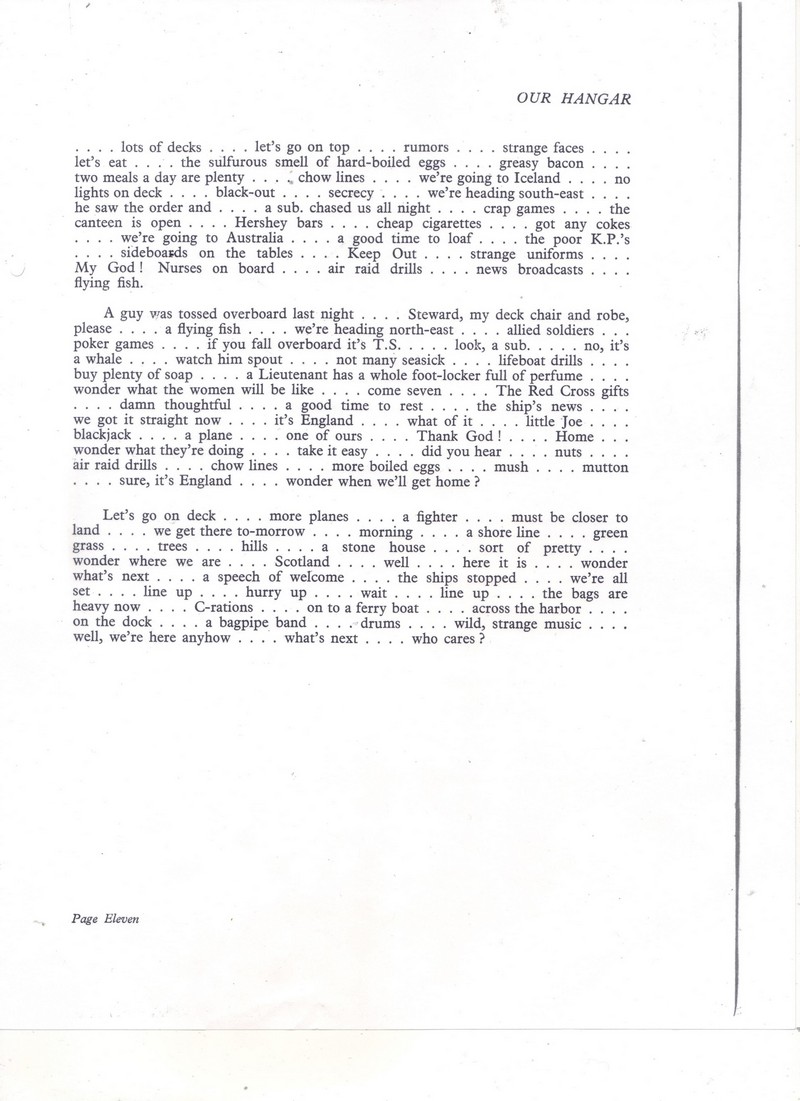
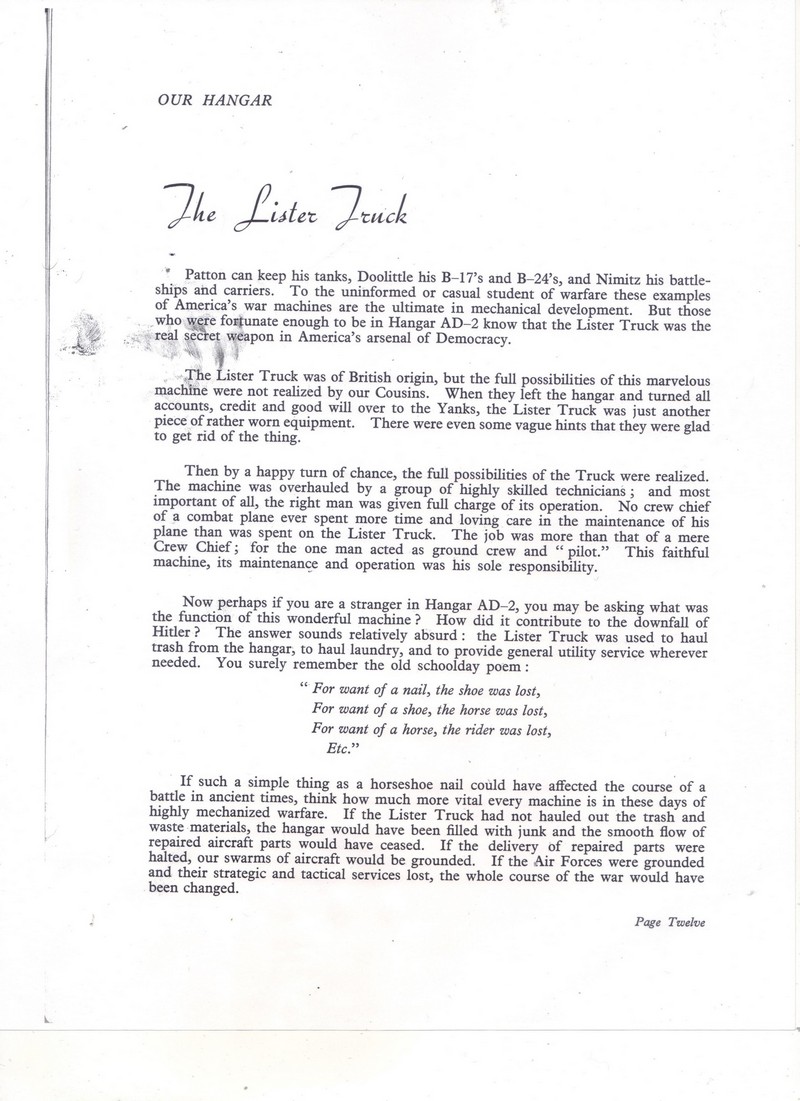
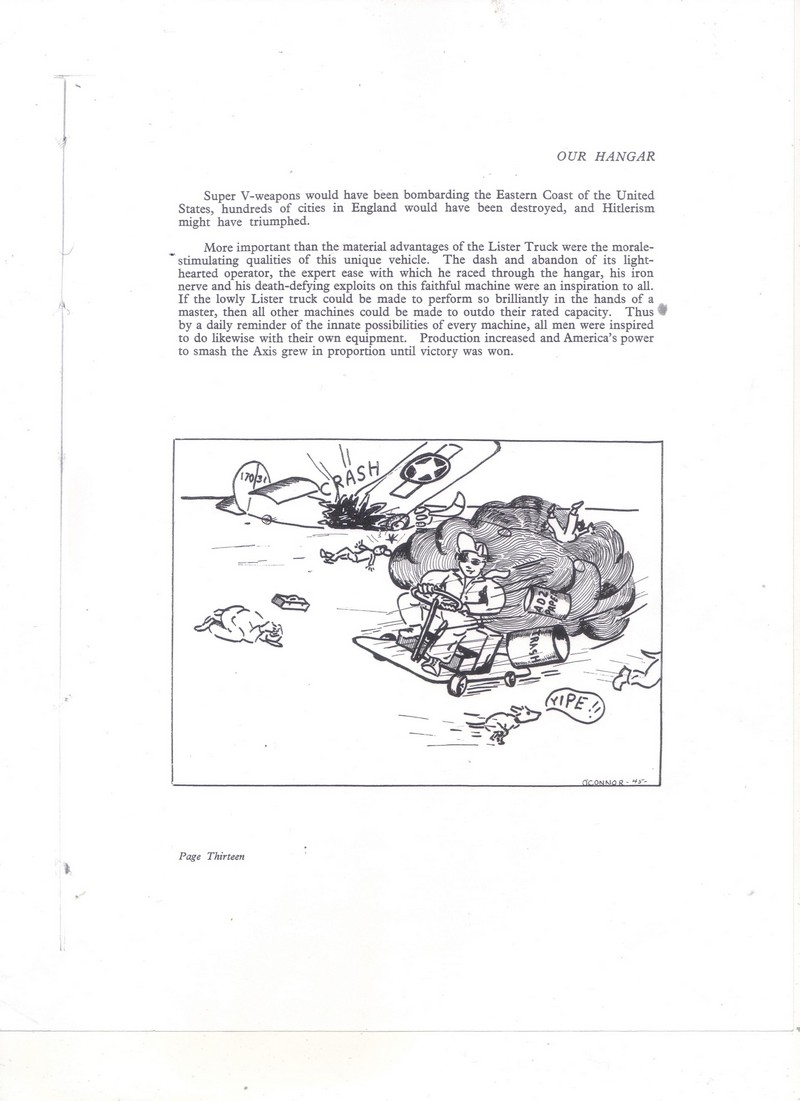
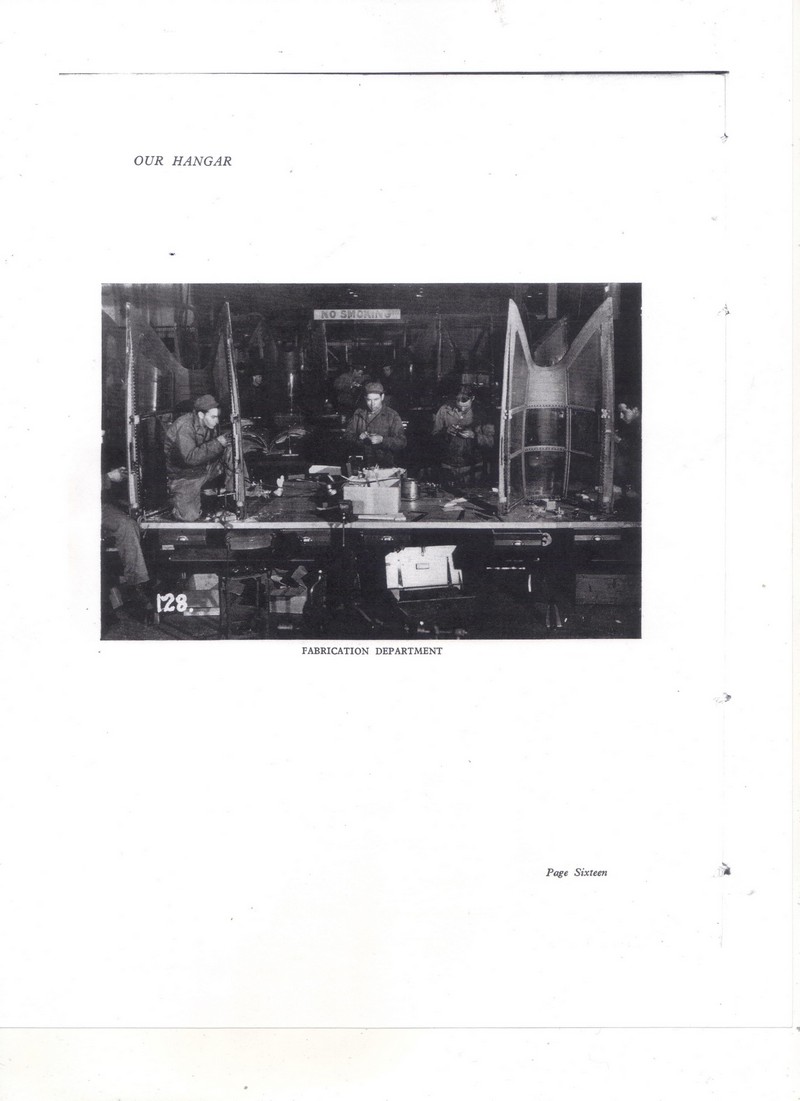
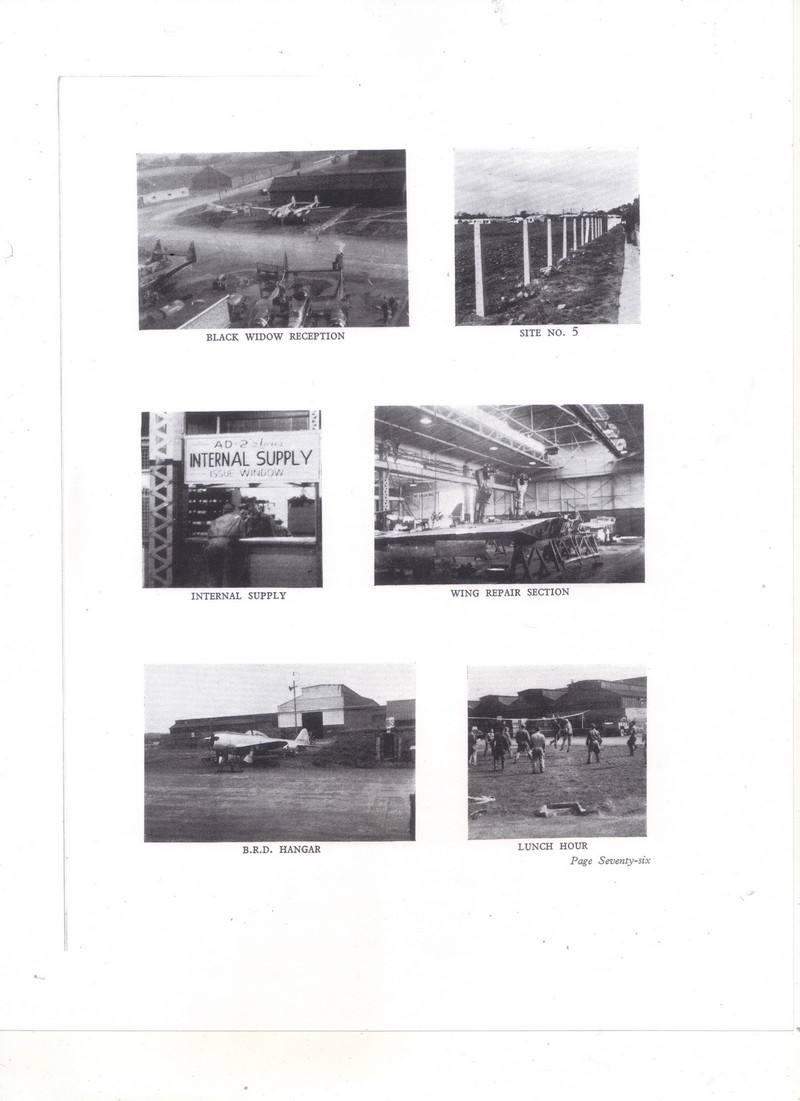
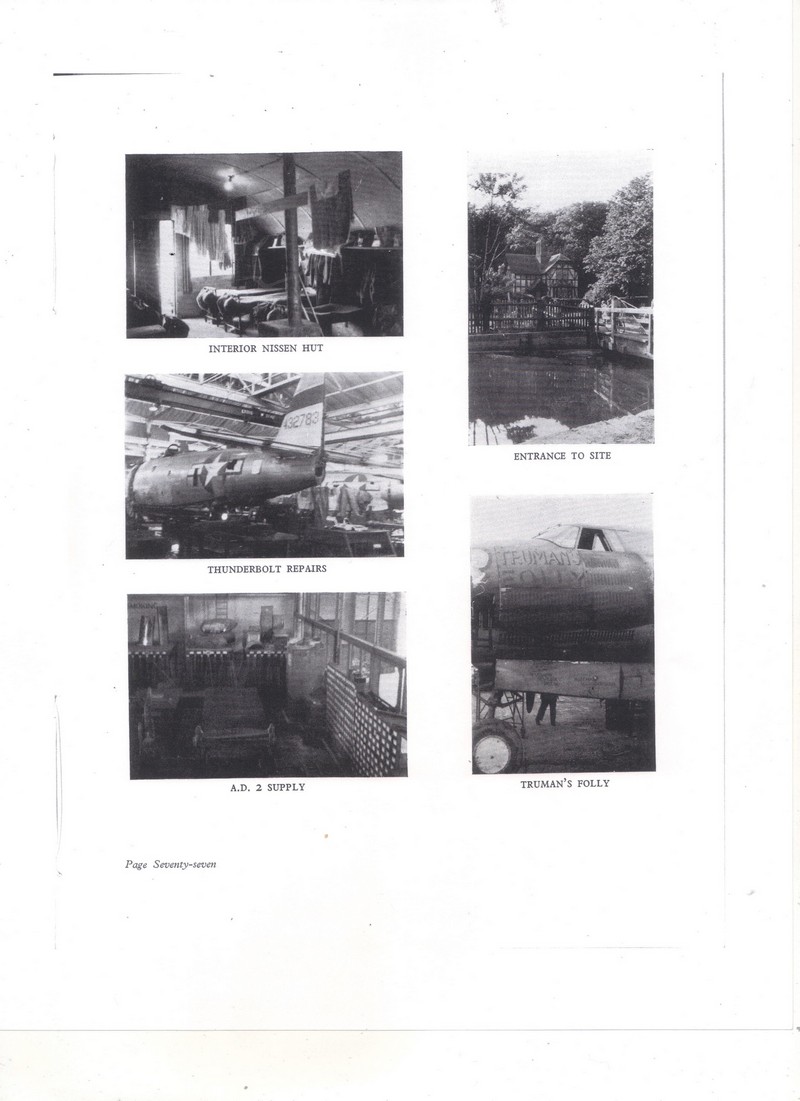
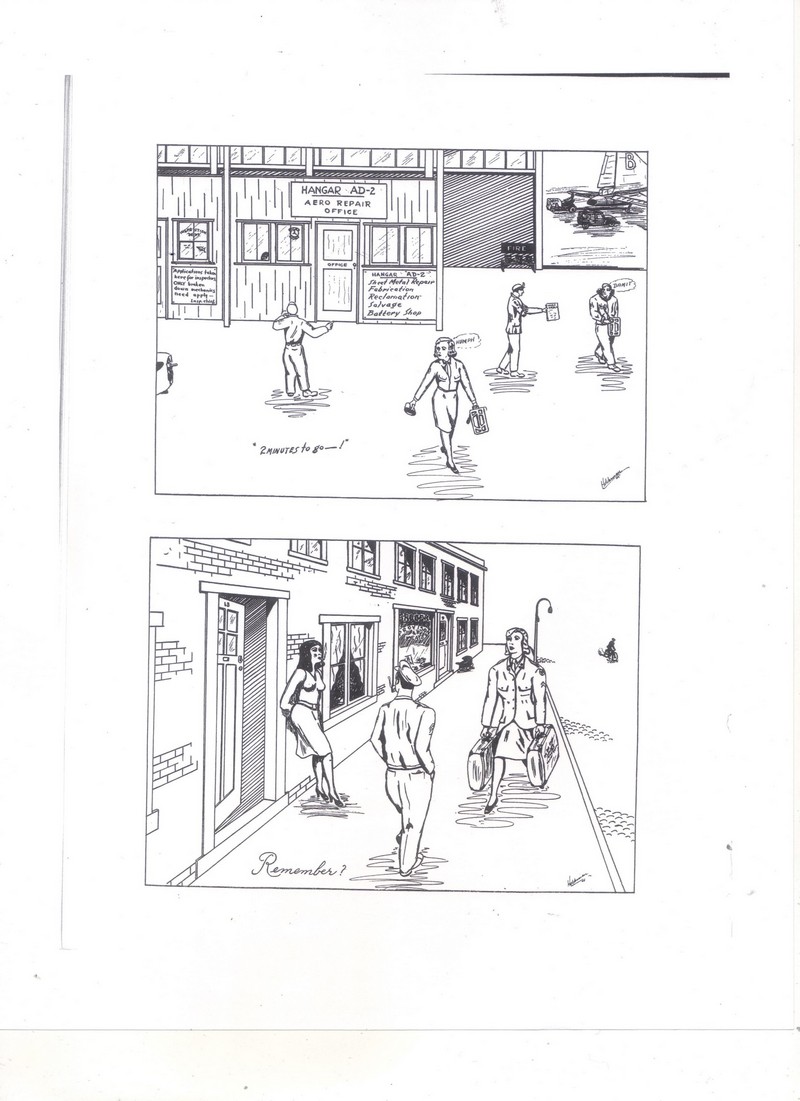
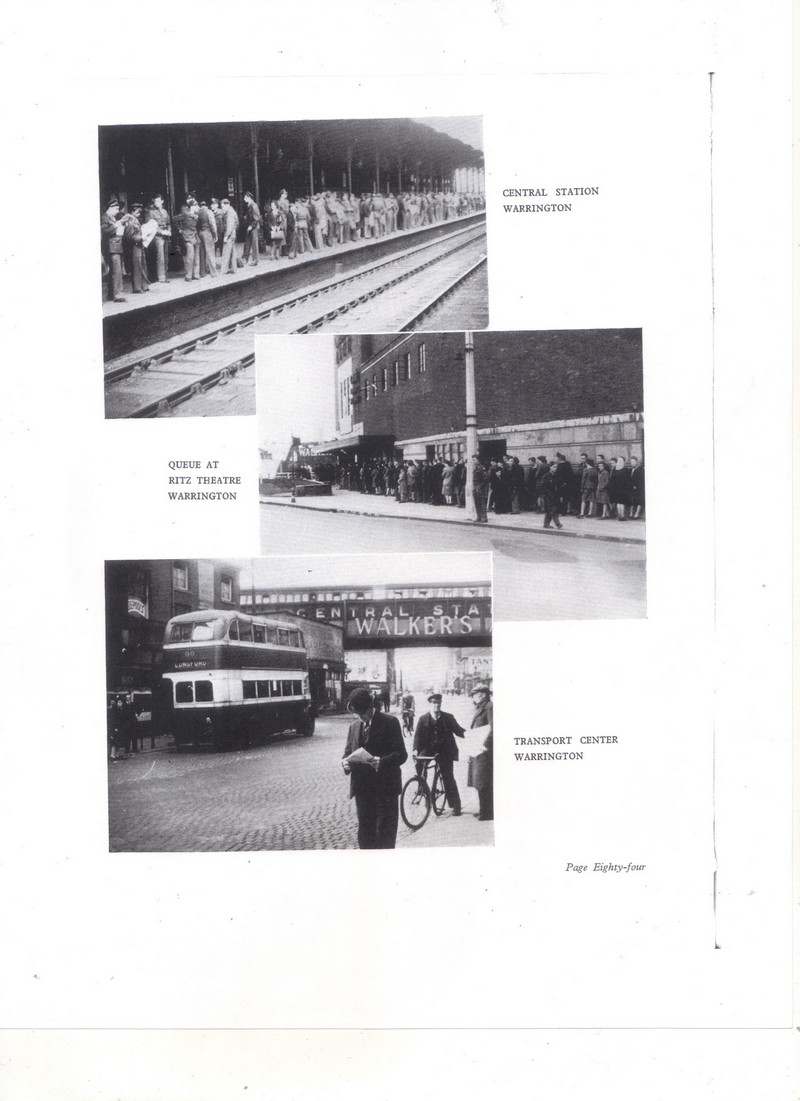
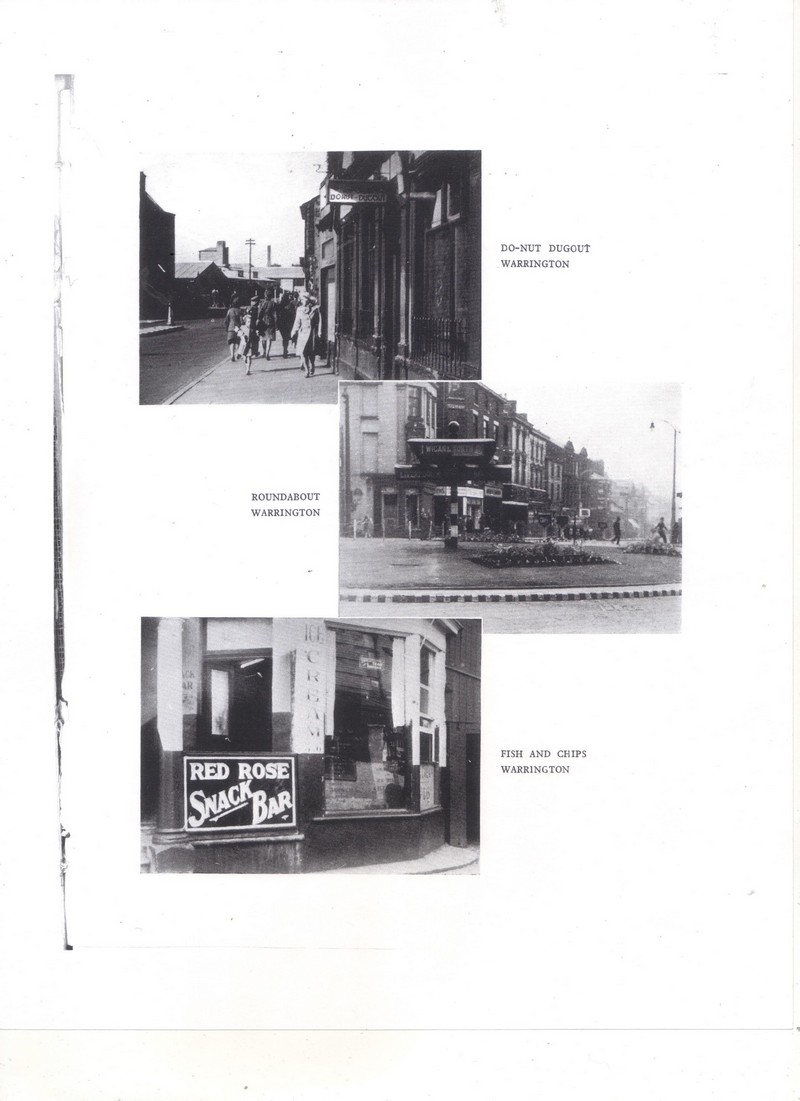
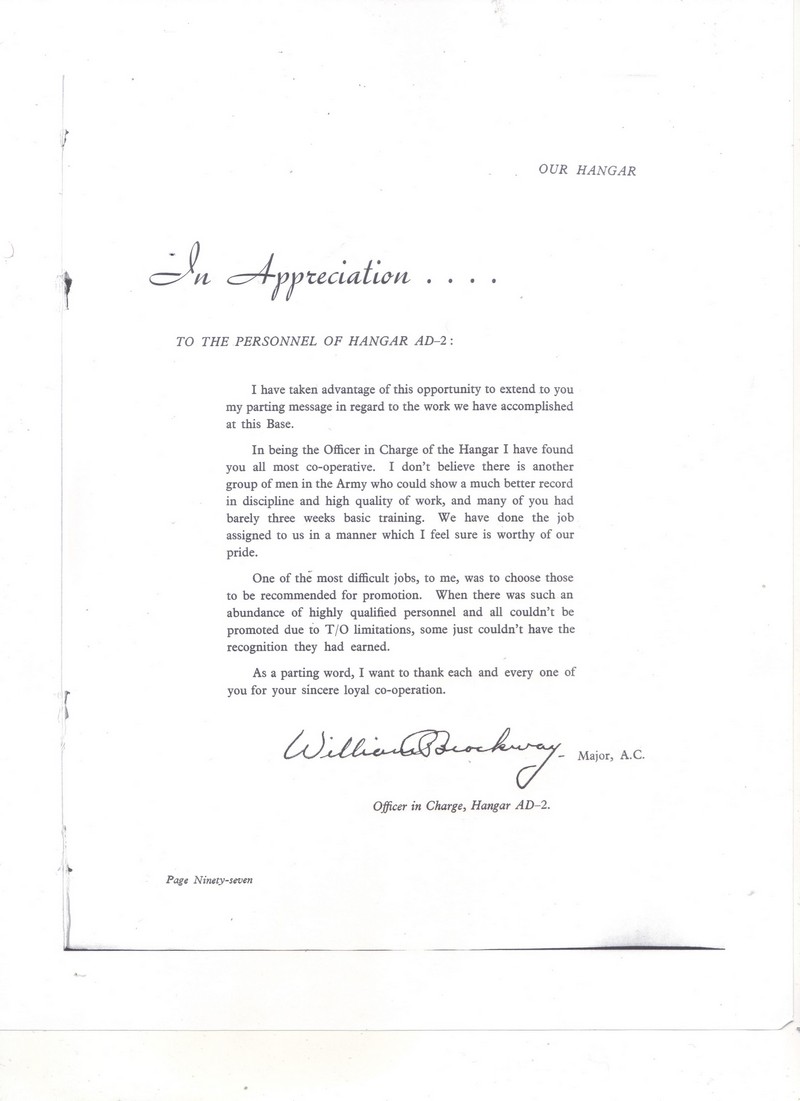
Hangar AD-2 Book on BAD site The record site plan (above) shows the location of hangar AD-2. At the end of World War 2 the personnel of each hangar and workshop received a copy of a specially prepared book of their work while service at BAD site before returning back home, very similar to a college Year book. Many thanks to Terry Kekic and his brother from the USA for spending a very long time scanning and actually sending a physical copy to us. Terry Kekic’s father Frank Georg Kekik was one of those personnel at BAD and served there during World War 2 and the following pages are from his personal copy of that book.
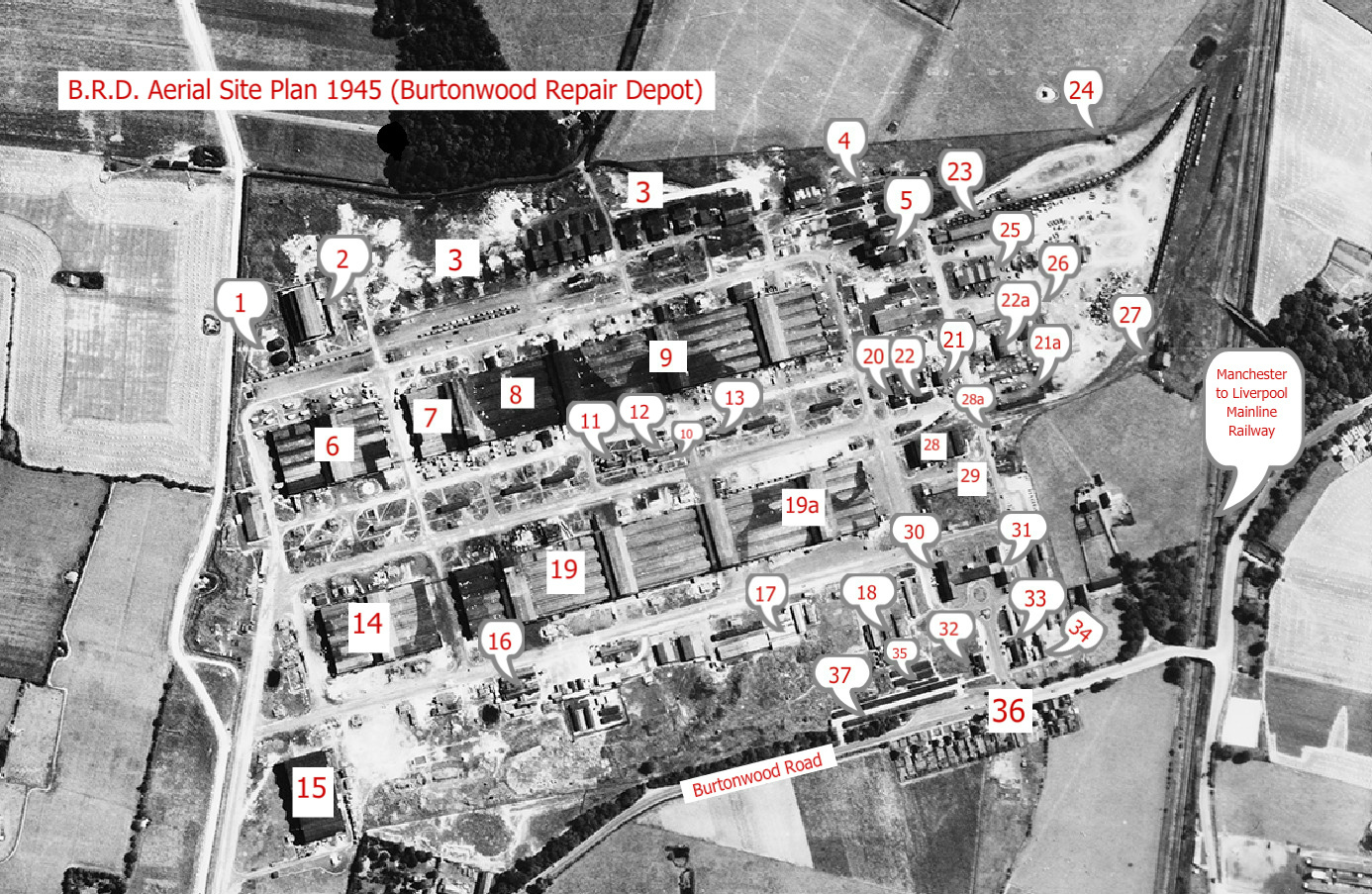
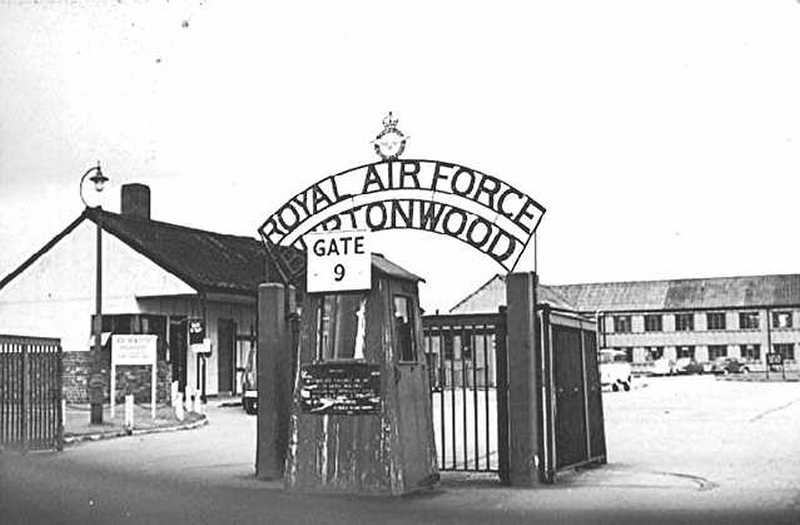
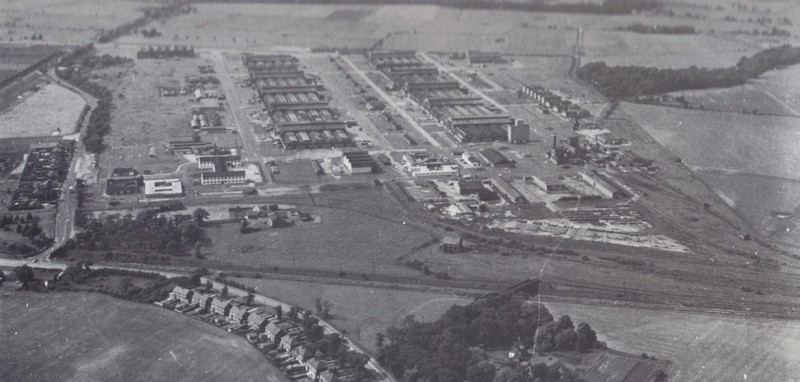
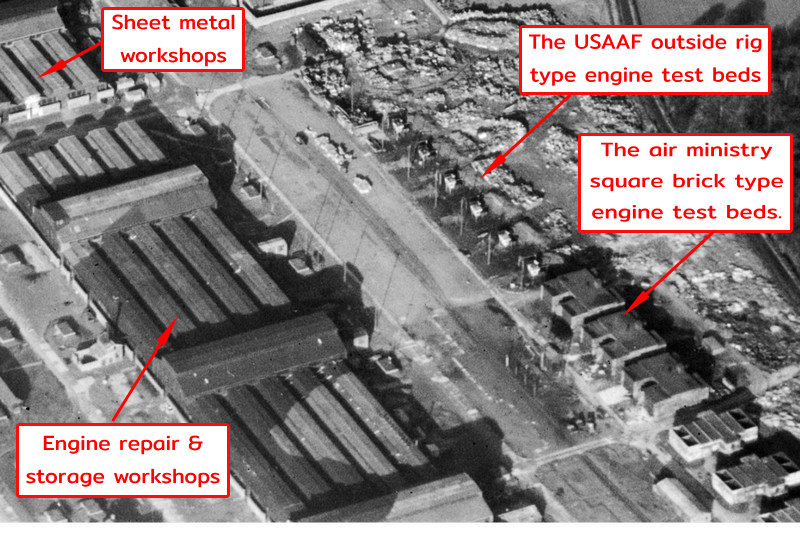
B.R.D. Building legend for above aerial photo 1945 (Please note: Because the building numbers on the record site plan (that we have) are of poor quality, we have re-numbered the most relevant buildings to the one’s shown below) 1Fuel storage tanks (oil) 2Standby electrical generator & compressors 3Engine test beds & their associated oil and petrol installation 4Fuel storage (coal) 5Central heating boiler plant 6Rootes Securities Ltd 7Plating shop, variable pitch airscrew shop & Salford Electric 8Fitting shop, machine shop, aero engine storage & sheet metal shop 9Engine repair shop 10Decontamination & first aid shop 11Demolition & detonator building 12Decontamination & first aid 13sanitary block 14Aircraft depot repair shop 15Aircraft depot paint shop 16Canteen 17Defence (military) 18Motor transport petrol installation 19Aircraft depot erection shop 19aEmbodiment loan & main store 20Maintenance office & store 21Transformer electrical sub station 21aScrap metal store 22Fire & ambulance station & gas defence 22aPetrol pump for motor transport 23Motor transport office & shed 24Rail weighbridge 25Articulated trailer shed 26Motor transport shed 27Railway locomotive shed 28Wood Mill & timber store 28aRoad weighbridge 29Lubricant & inflammable store 30Headquarters office block 31Air-raid precaution control room 32Warden office & emergency air-raid precaution panel 33First aid clearing room 34Employment office 35Hutted camp 36Main entrance gate 9 37Bus depot Aerial Photo of BRD Site
The American flag is raised during WW2 for the transfer of the Burtonwood Air Depot to the United States 8th Air Forces Service Command 15th July 1942 Building number 8 on the left of the flag is the Burtonwood repair Depot site Headquarters, during the late 1950s this building become the United States Air Force Dependents School having moved from site 1
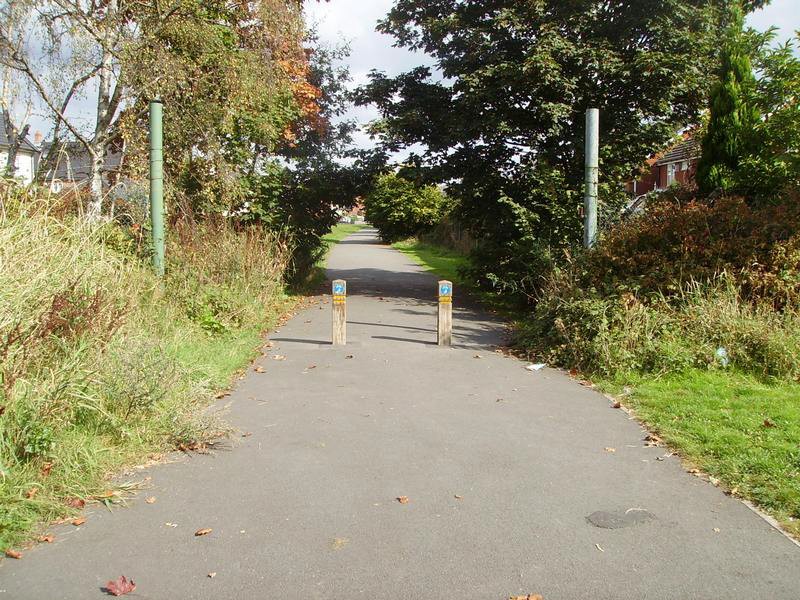
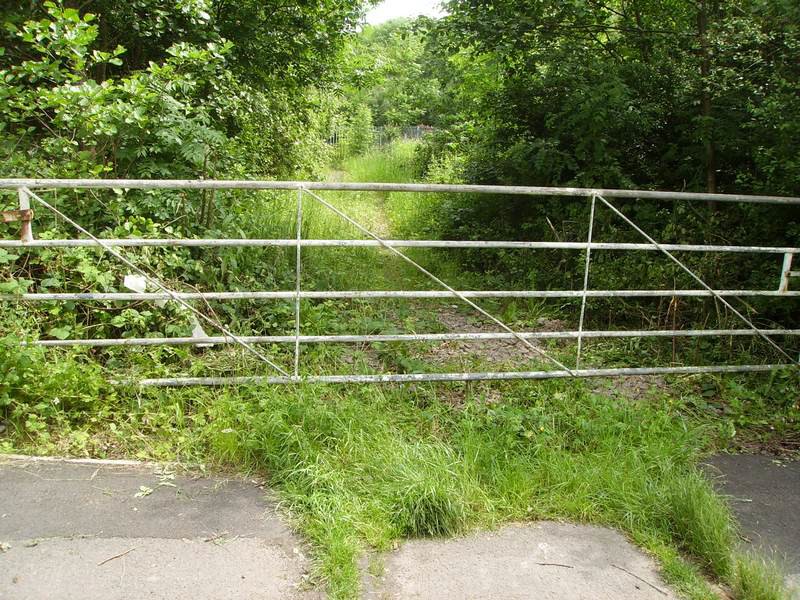
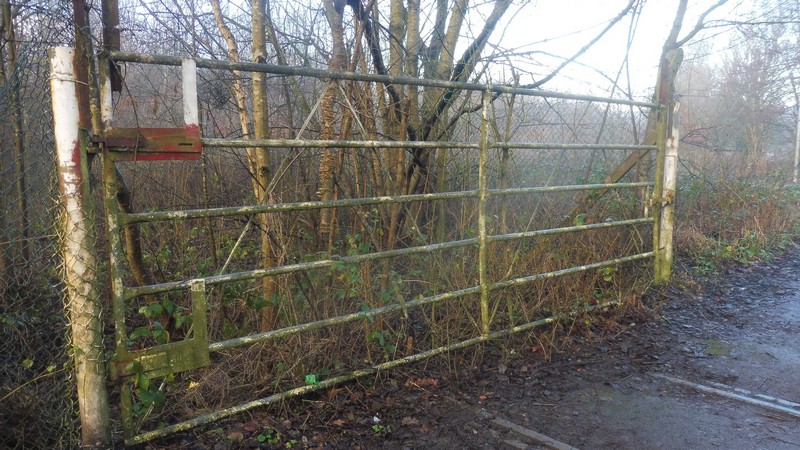
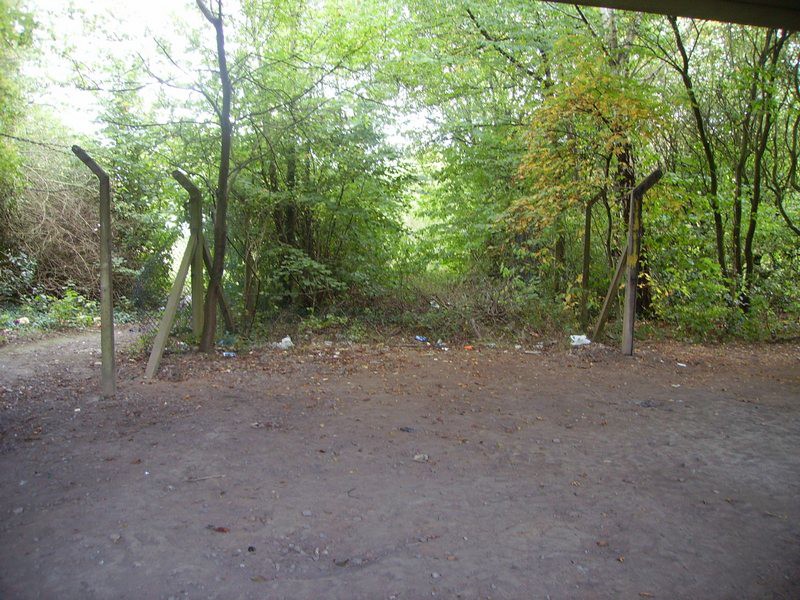
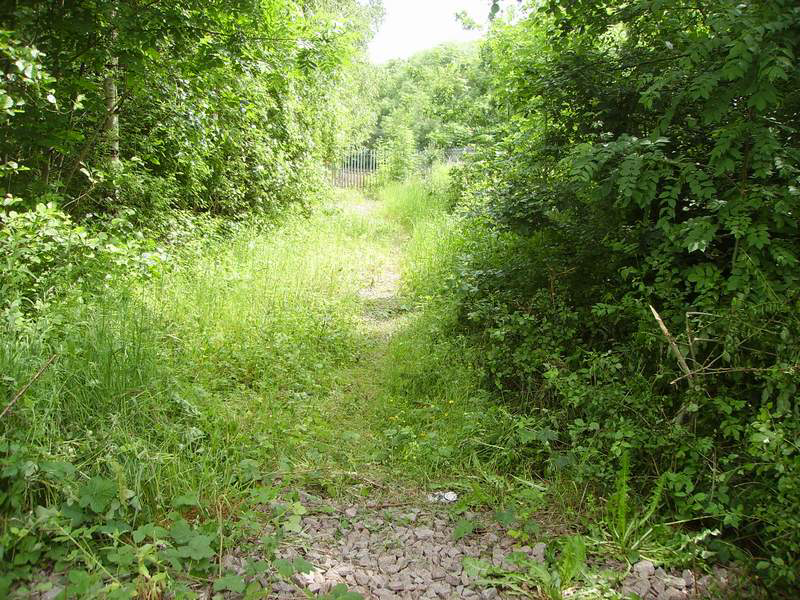
Railway Branch Line Running East Looking From the Level Crossing Gates (no longer there) The two green posts on each side of the footpath supported the gate across the railway line which ran along the rout of the footpath and entered site 8 to the rear of where the picture was taken.
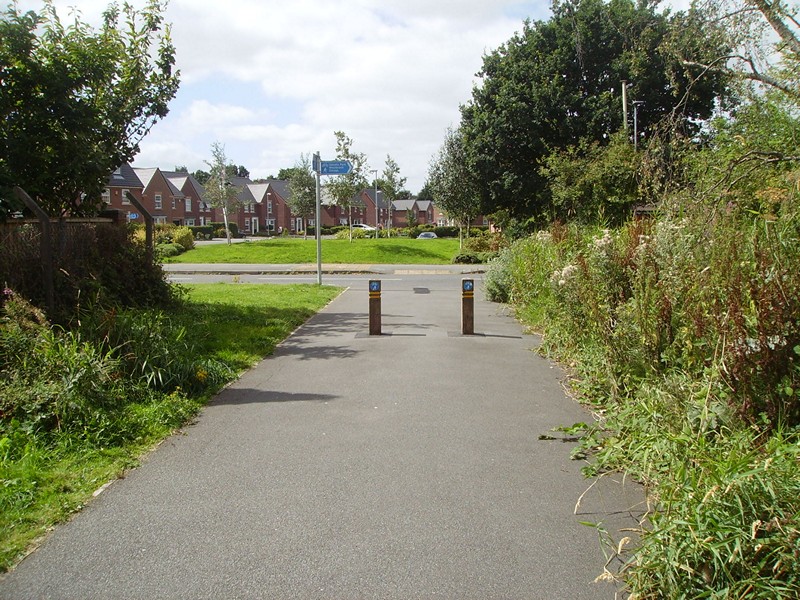
Railway Branch Line Continued From Picture Above (going West) The branch line obviously ran in between the fence posts
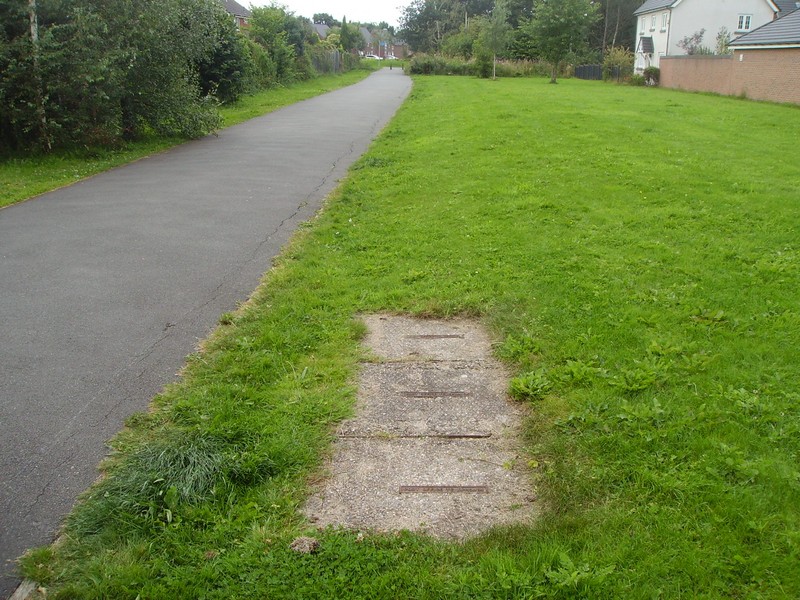
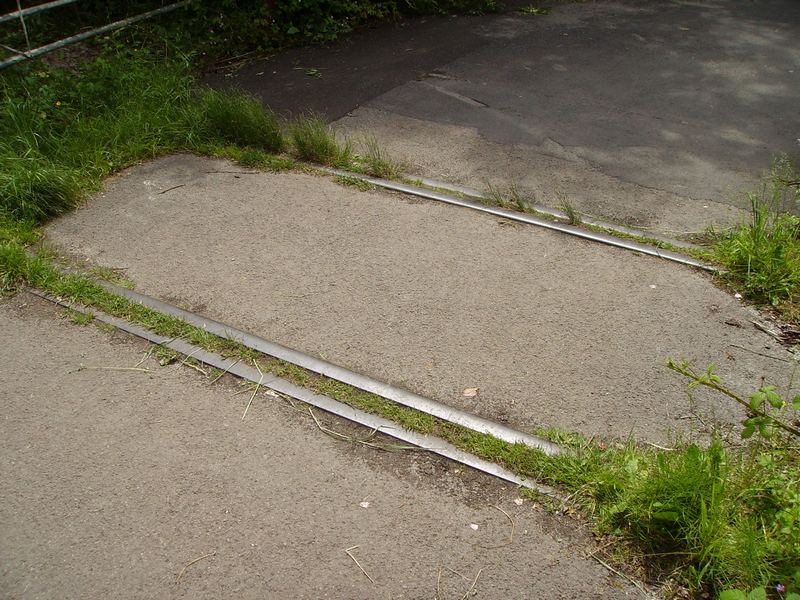
The route of the railway (line as above) coming backwards. The 2 posts can be seen in the distance where the level crossing used to be. Also, note the 3 GPO cable duct chamber covers.
Railway Branch Line Continued From Picture Above (going East) Pedestrian Crossing Footpath During operation the gate was closed to pedestrians
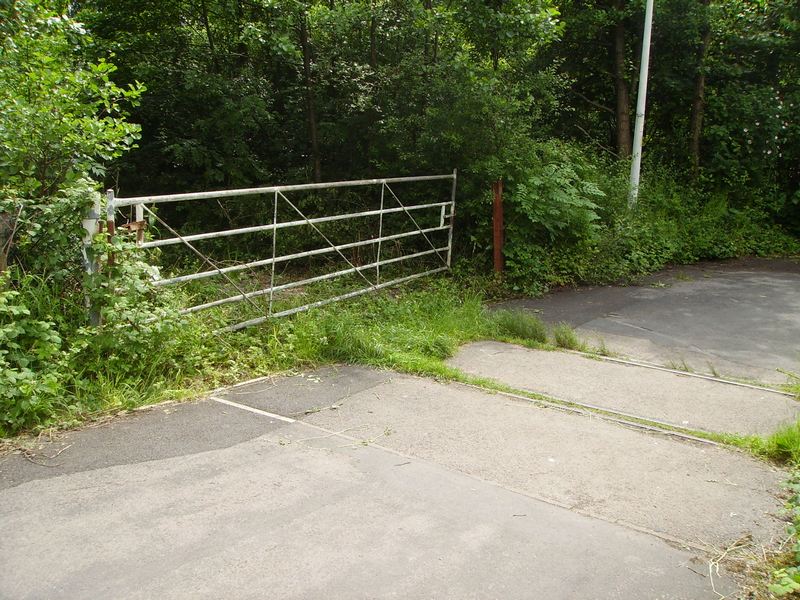
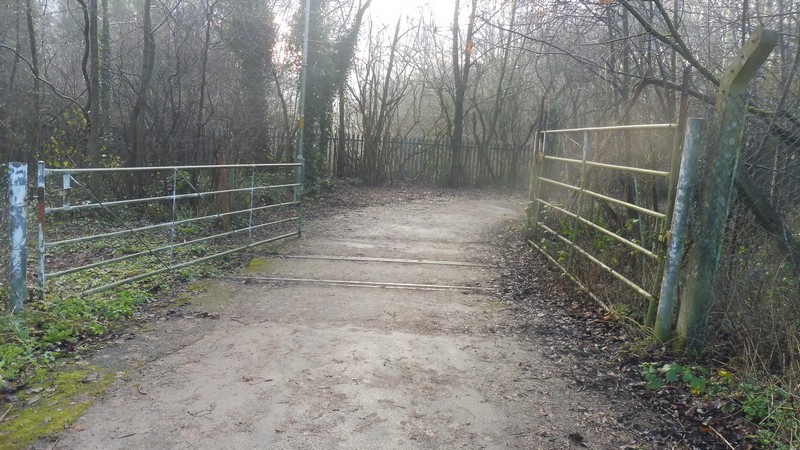
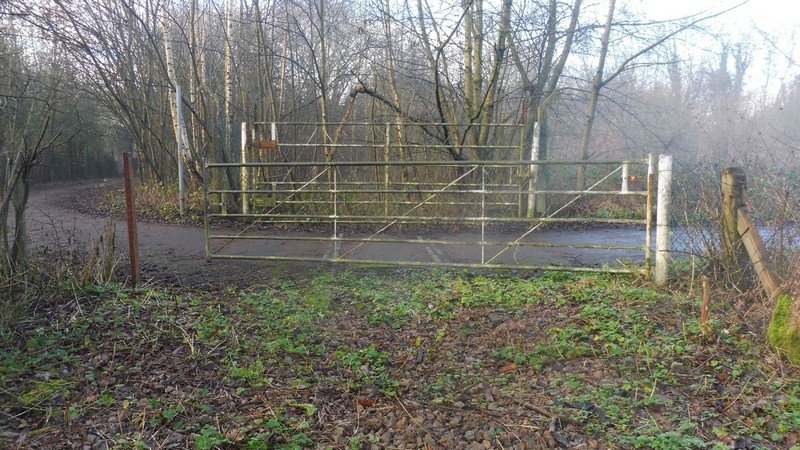
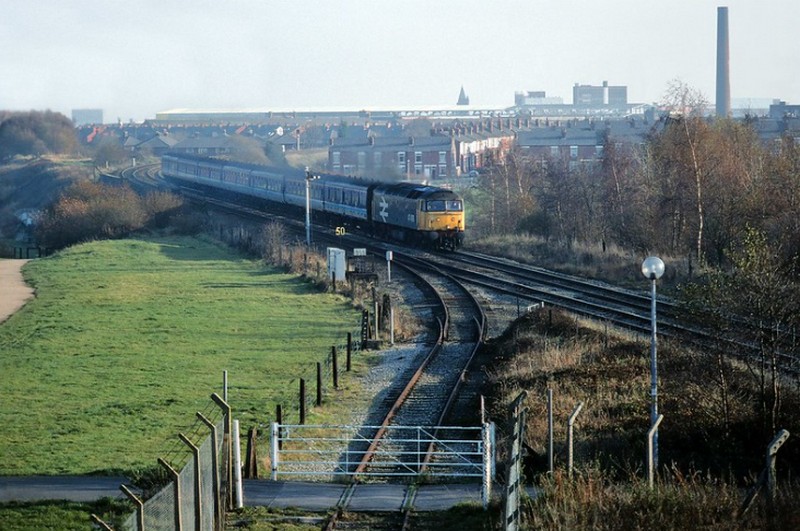
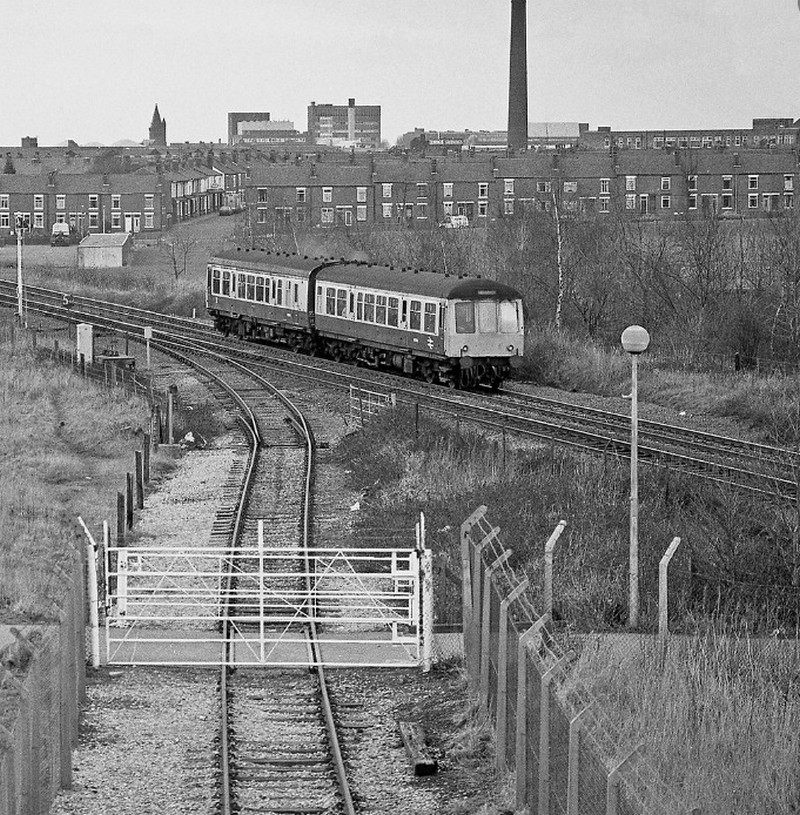
Branch railway line Pedestrian crossing GatesThe gates to the Left are towards the main lineThe Gates to the Right are towards site 8 at RAF BurtonwoodPhoto Credit to Walter Miller
Looking along the track bed towards the BRD site & site 8 at RAF BurtonwoodPhoto credit to Walter Miller
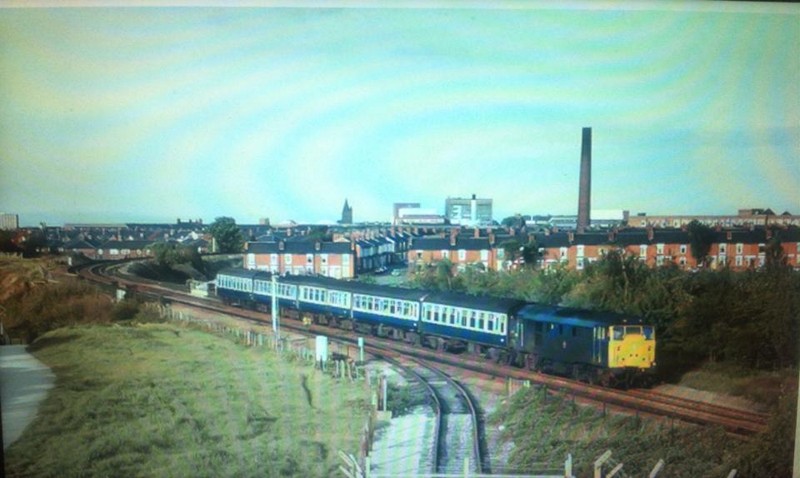
A diesel passenger service travels west towards LiverpoolPhoto credit to Alan Hart on 29 November 1989
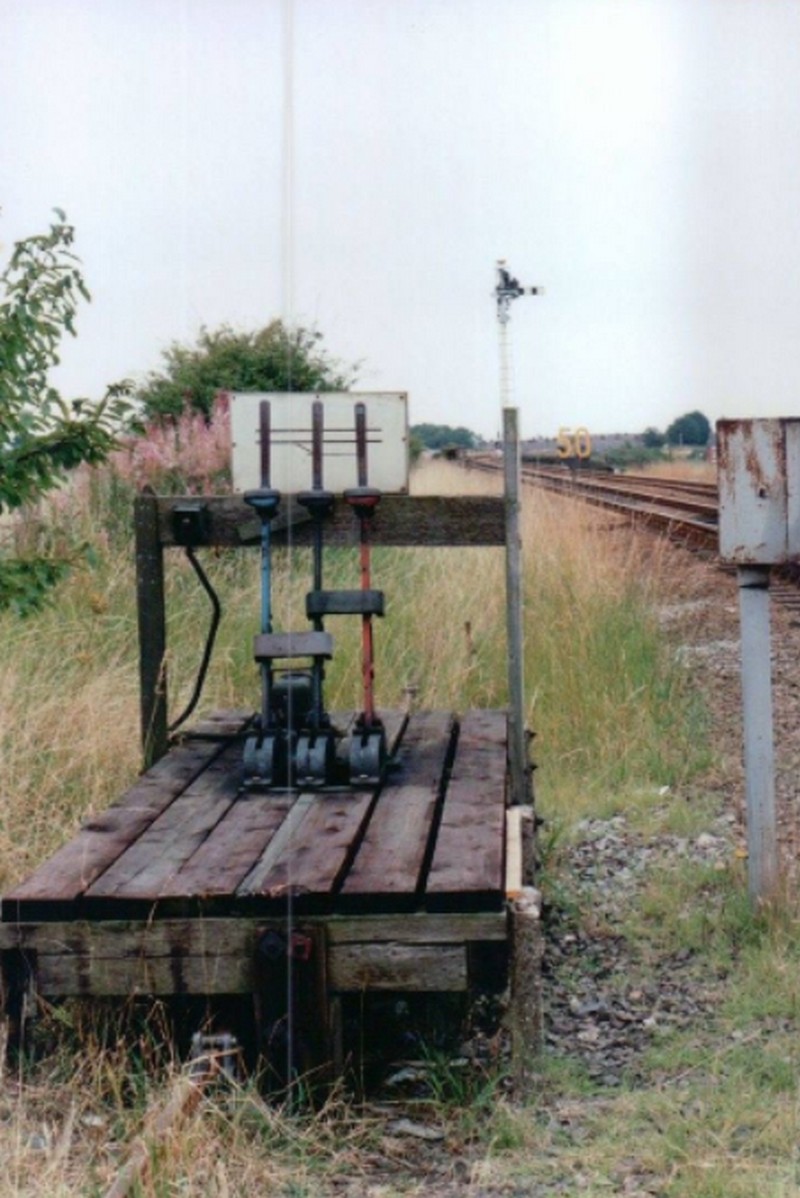
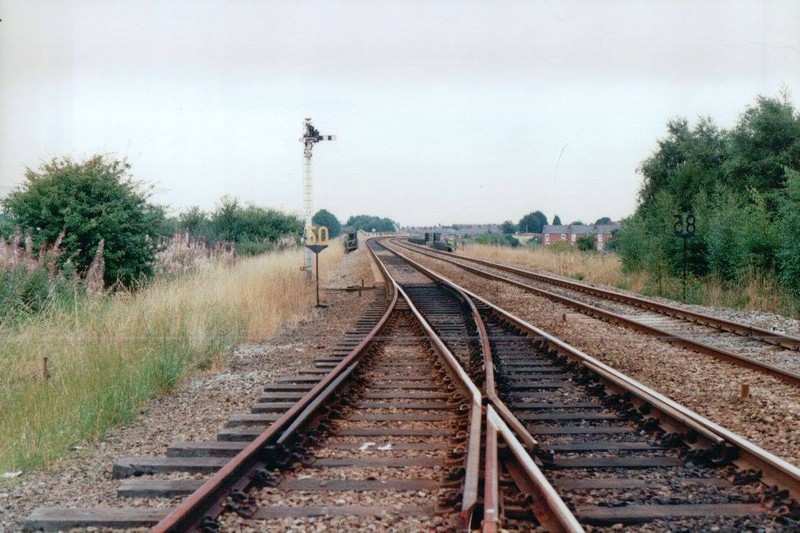
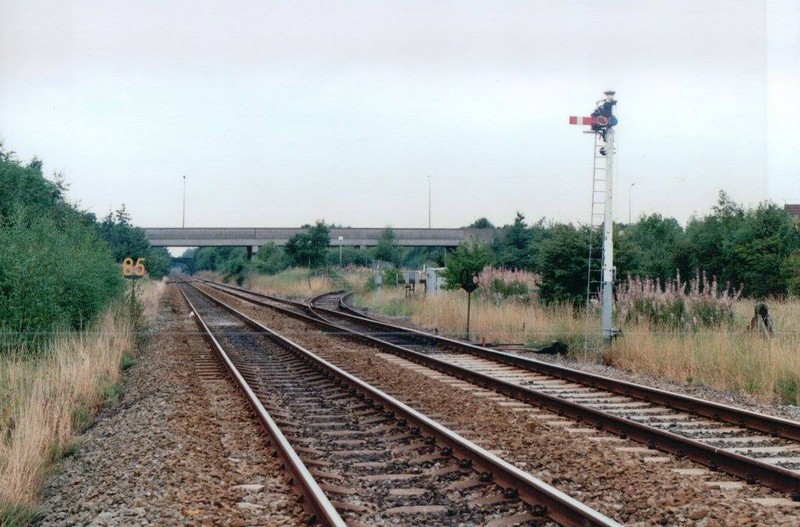
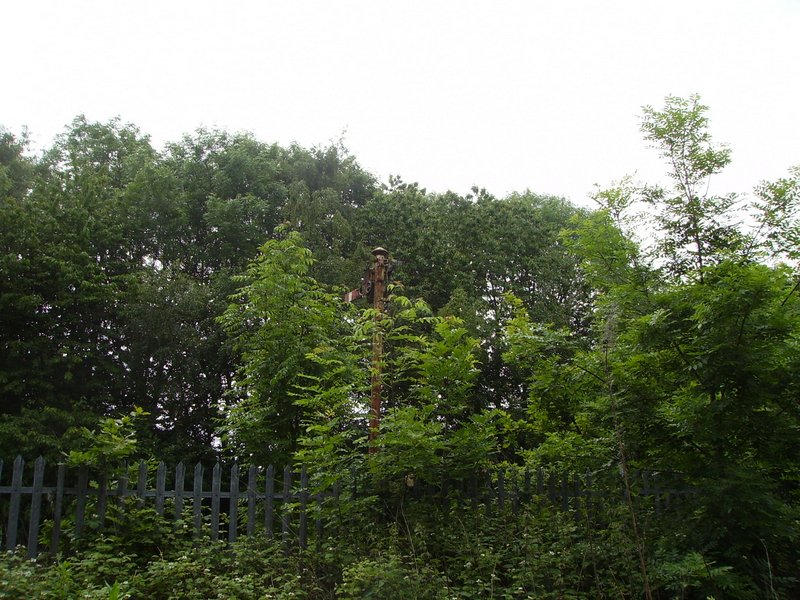
A signal box was sited here in WW2 to control entry into the BRD site. The branch line had large volumes of traffic in WW2. The signal box was closed on the 24th of October 1965 and replaced by a 3-lever ground frame released by Widnes East. The ground frame was out of use by May 1993 when the Airbase closed.Looking East at the branch line JunctionTo the left is the branch line signalThe ground frame is behind the Photographerphoto credit to Anthony Mc Donnell in 1970
The line as it was joining the mainline (possibly in the 1990’s). The end of the fencing can be seen at the bottom of the picture.
View Looking Towards the Main Manchester – Liverpool Railway A signal box was sited here in WW2 to control entry into BRD site. The branch line had large volumes of traffic in WW2. The signal box was closed on the 24th of October 1965 and replaced by a 3 lever ground frame released by Widnes East. The ground frame was out of use by May 1993 when the base closed
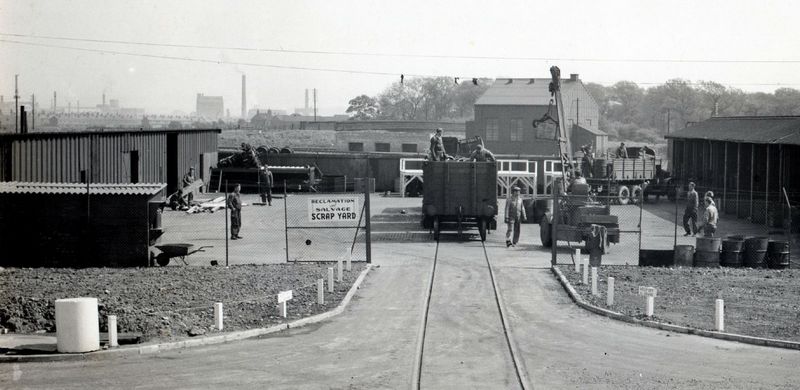
This is the Reclamation Scrap Yard. The tall building behind the crane is the locomotive shed. The bridge in the centre of the photo is going across the main Manchester to Liverpool railway line and beyond the bridge on the horizon you can see Lever Brothers/Crossfields building.
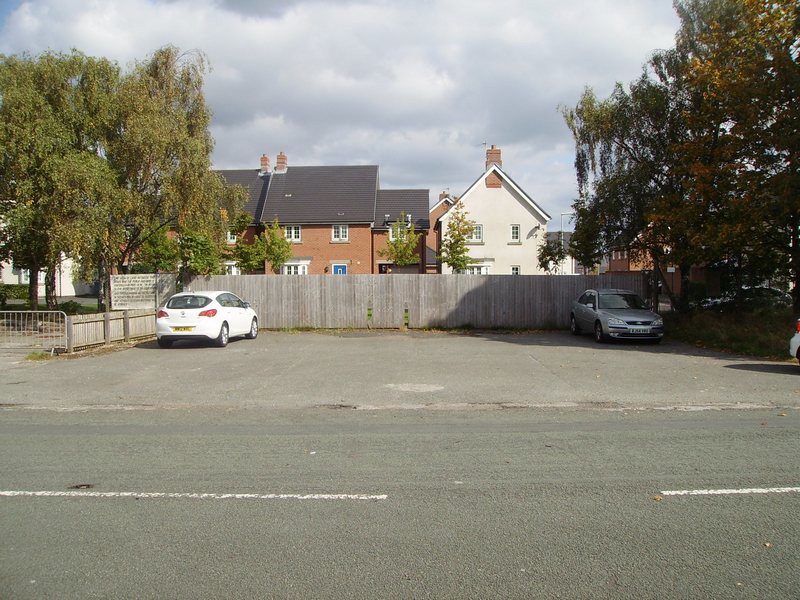
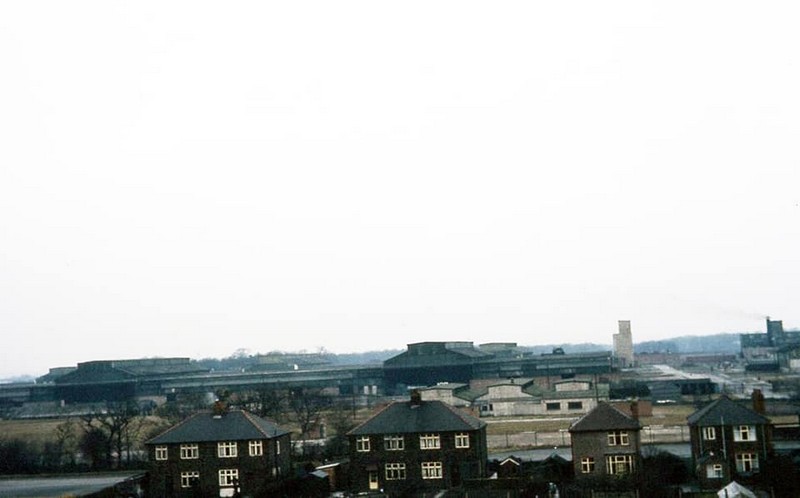
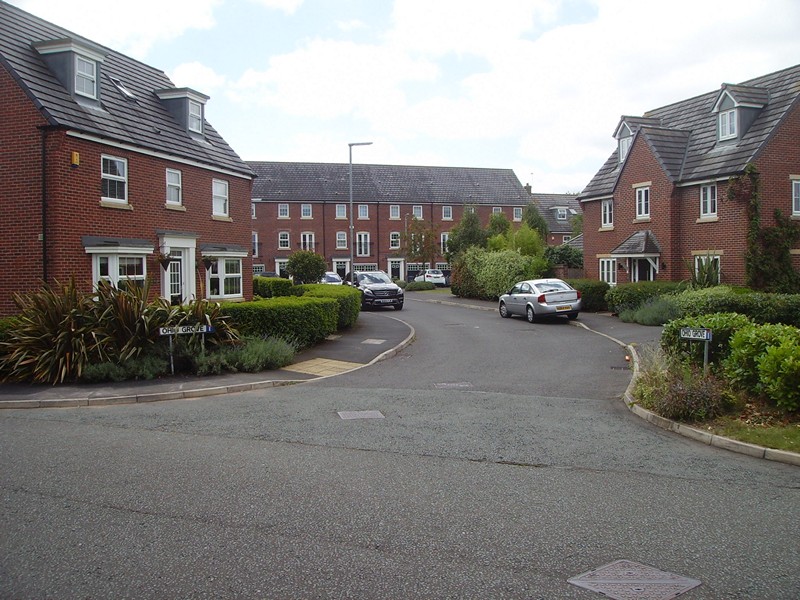
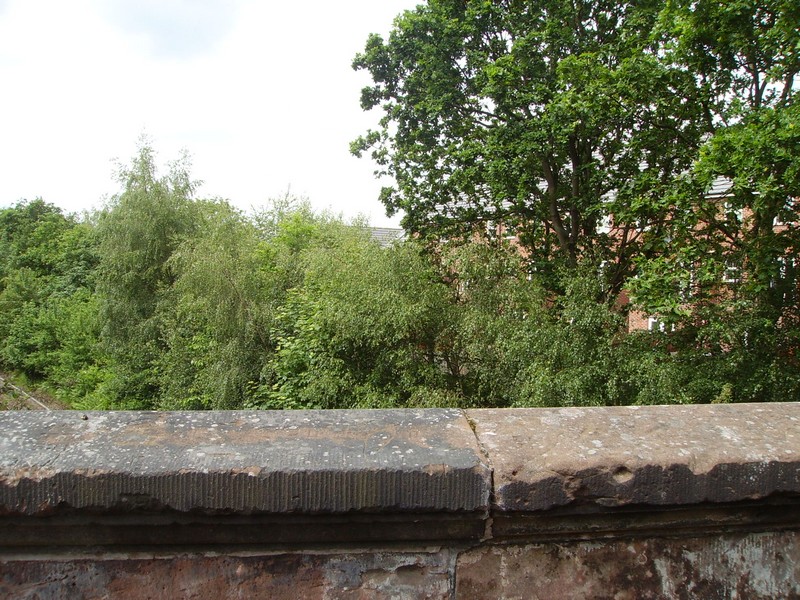
Ohio Grove railway bridge is out of site behind the houses. All the roads on this new estate have an American connection. This for instance is named Ohio Grove & this photo taken in 2014 by me & Gary is roughly where the scrapyard was back in WW2
BRD site photo taken in 1960 by the US army looking north. The Manchester to Liverpool railway line can be seen across the bottom of the photo the railway bridge and locomotive shed are visible where Ohio grove is today.
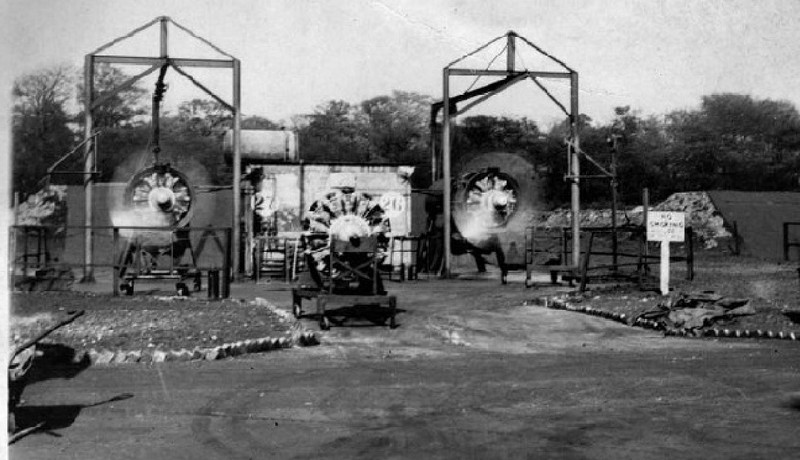
Engine Test Beds Pratt & Whitney 1830’s Aircraft Radial Engines Running on Their Test Blocks on BRD Site During WW2. They ran 24 hours a day 7 days a week in the open air regardless of the weather
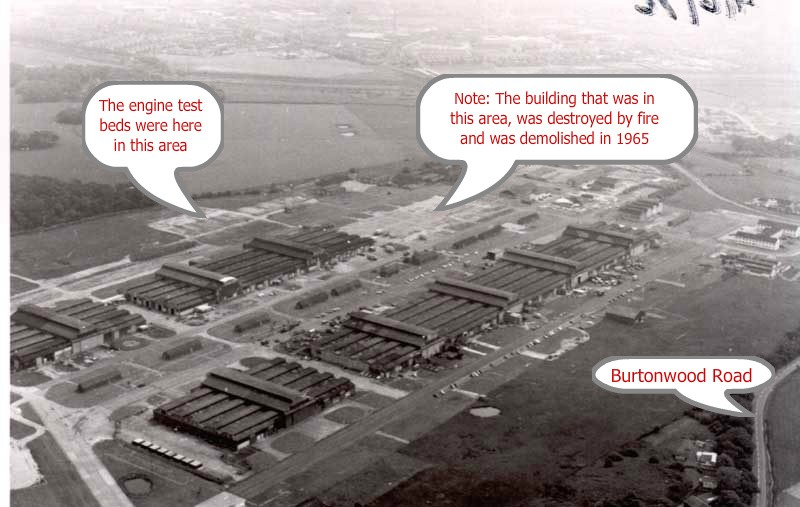
Aerial Photo of BRD Site Taken Just After WW2 During 1947 – Note the Camouflage on the Workshop Rooftops
The quality of fuel in England may have been poor, TEL (tetraethyl lead) fuel additive appeared to condense inside engine induction manifolds, causing detonation (destructive explosion of fuel mixture rather than controlled burning). Improved turbo supercharger intercoolers appeared on the J model P-38. These devices greatly reduced manifold temperatures but this encouraged TEL condensation in manifolds during cruise flight and increased spark plug fouling. Using water injection to minimize detonation might have reduced these engine problems. Both the Republic P-47 Thunderbolt and the North American P-51 Mustang (see NASM collection) were fitted with water injection systems as well.
Maryland Mark I, AR703, on the ground at No. 37 Maintenance Unit, Burtonwood, Lancashire, November 1941. One of the original batch of Martin 167Fs was ordered by the French government and diverted to the RAF after the surrender in 1940, AR703 undertook to handle trials at the Aeroplane and Armament Experimental Establishment, Boscombe Down, Wiltshire, before being despatched to the Middle East for operational service. The Photo was taken by an official RAF photographer Photograph credit to the IWM for non-commercial use Havoc Mark I (Turbinlite) AW400
Baltimore Mark I, AG688, at the Burtonwood Repair Depot, Lancashire, before despatch to the Aeroplane and Armament Experimental Establishment at Boscombe Down, Wiltshire, for flight tests. The photo was taken by an official RAF photographer Photograph credit to the IWM.for non-commercial use Mohawk Mark IV BJ442
Boston Mark III (Intruder), W8325, at the Burtonwood Repair Depot, Lancashire, following conversion from a standard Boston Mark III. The aircraft served with No. 418 Squadron RCAF until 11 April 1943 when it failed to return from a night intruder mission over Melun-Villaroche, France. The photo was taken by the Ministry of Aircraft Production [MAP] Photograph credit to the IWM.for non-commercial use. Boston Mark III (Intruder) W8292
Havoc Mark II (Night Fighter), AH522, on the ground at the Burtonwood Repair Depot, Lancashire, following conversion from a Boston Mark II. AH522 served with No. 85 Squadron RAF, followed by the Telecommunications Flying Unit with whom it was written off following a landing accident at Defford in November 1943. The photo was taken by the Ministry of Aircraft Production [MAP] Photograph credit to the IWM.for non-commercial use. Martin Maryland Mark I AR725
Martin Maryland Mark I, AR725, on the ground, probably at Burtonwood, Lancashire. One of a batch of fifty aircraft taken over from a French contract after the German invasion, AR725 served with No. 203 Squadron RAF in the Middle East before crashing on a ferry flight to join No. 69 Squadron RAF in Malta. The photo was taken by an official RAF photographer Photograph credit to the IWM for non-commercial use Boston Mark II (Turbinlite) AH457
Boston Mark II (Turbinlite,) AH457, on the ground at Burtonwood Repair Depot, Lancashire. This aircraft served with No, 1422 (Night Fighter) Flight, 1457 (Fighter) Flight, and finally with No. 536 Squadron RAF. The photo was taken by the Ministry of Aircraft Production [MAP] Photograph credit to the IWM for non-commercial use Argus Mark I HM164
Argus Mark I, HM164, on the ground at the Burtonwood Repair Depot, Lancashire. After service with the Aeroplane and Armament Experimental Establishment, the aircraft was transferred to the Air Transport Auxiliary. The photo was taken by an official RAF photographer. Photograph credit to the IWM for non-commercial use. © Historic Aviation Military — All rights reserved Non Commercial — Non Profit Website / Organisation